

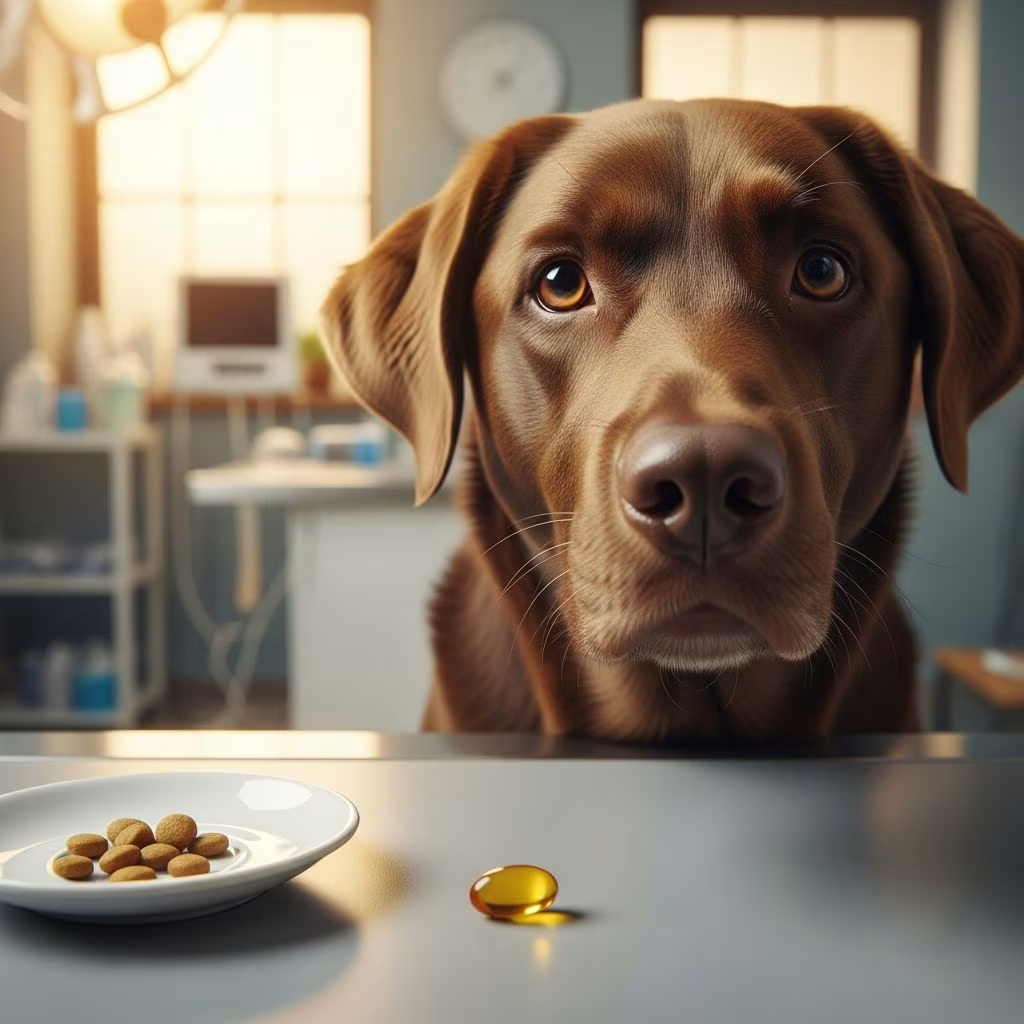
Ursodiol, also known as ursodeoxycholic acid or Actigall, serves as a key medication in veterinary practice for addressing various liver conditions in dogs. This bile acid therapy improves bile flow, reduces toxic bile accumulation, and supports overall hepatic function, making it valuable for chronic hepatitis, cholestasis, and copper-associated hepatopathies.
Understanding Liver Challenges in Dogs
The liver in dogs performs vital tasks like detoxification, protein synthesis, and bile production. When afflicted by diseases such as chronic hepatitis, fibrosis, or copper hepatopathy, these functions falter, leading to symptoms including jaundice, lethargy, vomiting, and weight loss. Common culprits include genetic predispositions in breeds like Labrador Retrievers, infections, toxins, or idiopathic inflammation. Early intervention with targeted therapies like Ursodiol can halt progression and enhance quality of life.
Diagnosis typically involves blood tests showing elevated liver enzymes (ALT, AST, ALP), bile acid stimulation tests, ultrasound imaging, and liver biopsies to assess fibrosis or copper levels. Chronic cases often reveal fibrosis, where scar tissue replaces healthy cells, complicating recovery.
How Ursodiol Works in Canine Patients
Ursodiol is a hydrophilic bile acid that replaces more toxic, hydrophobic bile acids in the liver and gallbladder. It promotes choleresis—increasing bile production and flow—while protecting hepatocytes from damage. In dogs, it proves particularly effective against cholestatic conditions, where bile buildup causes inflammation and fibrosis.
Studies and clinical reports indicate Ursodiol decreases collagen deposition and TGF-β1 expression, key fibrosis drivers. Administered orally, it achieves optimal bioavailability on an empty stomach, influencing enterohepatic circulation to dilute toxic bile components.
Recommended Dosages and Administration
Veterinarians commonly prescribe Ursodiol at 5-7 mg/lb (10-15 mg/kg) per day, divided into one or two doses. For a 50-lb dog, this equates to roughly 250-350 mg daily. Treatment duration varies from months for acute issues to lifelong for chronic diseases.
| Dog Weight (lbs) | Daily Dose (mg) | Frequency |
|---|---|---|
| 10-20 | 50-140 | Once or BID |
| 20-50 | 100-350 | Once or BID |
| 50-100 | 250-700 | Once or BID |
Monitoring includes periodic liver enzyme panels, bile acids, and ultrasounds. Adjustments may be needed based on response and side effects.
Conditions Benefiting from Ursodiol Therapy
- Cholestasis and Cholangitis: Enhances bile flow, reducing sludge and stone formation.
- Chronic Hepatitis: Adjunct to immunosuppressants like prednisone (0.5 mg/lb BID initially).
- Copper Hepatopathy: Combined with low-copper diets and chelators like D-penicillamine.
- Fibrosis: Slows progression alongside ARBs like Telmisartan (0.5 mg/kg).
- Idiopathic Vacuolar Hepatopathy: Supports antioxidant defenses with SAMe.
Potential Side Effects and Safety Profile
Ursodiol is generally well-tolerated in dogs, with rare adverse effects. Possible issues include mild diarrhea, vomiting, or appetite changes, often resolving with dose tweaking. Contraindications involve complete bile duct obstruction, where surgery precedes medical therapy. No significant clinicopathologic changes occur in most cases, unlike some hepatotoxic drugs.
Drug interactions are minimal, but caution applies with antacids or bile acid sequestrants. Pregnant or lactating dogs require veterinary oversight.
Complementary Therapies for Comprehensive Care
Ursodiol shines in multimodal protocols. Key companions include:
- Immunosuppressants: Prednisone (0.5 mg/lb BID tapered) or azathioprine (1 mg/lb daily) for inflammatory hepatitis.
- Antioxidants: SAMe (Denosyl, 10 mg/lb/day) protects against oxidative stress; milk thistle (silybin) offers natural support.
- Copper Management: Zinc acetate (15 mg/kg elemental daily) blocks absorption; diets like Royal Canin Hepatic low in copper.
- Antibiotics: Amoxicillin (10 mg/lb BID) or metronidazole (7.5 mg/kg BID) for infections.
- ARBs: Telmisartan (0.5 mg/kg) targets fibrosis pathways.
- Supportive Care: Lactulose (5 ml/2.5 lb TID) for encephalopathy; IV fluids for acute_failure.
Nutritional Strategies to Bolster Liver Health
Diet is foundational. High-carbohydrate, low-protein formulas reduce ammonia load. Copper-restricted diets (e.g., Hill’s l/d or Royal Canin Hepatic) prevent accumulation, especially in predisposed breeds. Supplements like choline, carnitine, and arginine aid detoxification.
A sample daily plan for a 50-lb dog with chronic liver disease:
| Meal Component | Portion | Purpose |
|---|---|---|
| Low-copper kibble | 2 cups | Balanced nutrition |
| Boiled rice/chicken | 1 cup | Easy digestion |
| SAMe tablet | 400 mg | Antioxidant |
| Ursodiol capsule | 300 mg | Bile support |
Monitoring Progress and Long-Term Outlook
Regular check-ups every 3-6 months track ALT/AST, bile acids, and copper levels if applicable. Liver biopsies pre- and post-therapy gauge fibrosis reduction. Many dogs achieve remission or stabilization, with survival times extending years under vigilant care.
Prognosis hinges on early detection; acute failure may recover with prompt ICU support, while end-stage cirrhosis carries guarded outlook.
Frequently Asked Questions (FAQs)
What are the first signs of liver disease in dogs?
Watch for yellow gums, increased thirst, poor appetite, and abdominal swelling. Bloodwork confirms elevation in liver values.
Can Ursodiol cure liver disease?
No, it manages symptoms and slows progression but doesn’t cure underlying causes. Combine with diagnostics and other meds.
Is Ursodiol safe for all dogs?
Generally yes, but consult a vet for breeds prone to copper issues or those with blockages.
How long until Ursodiol shows effects?
Improvements in enzymes may appear in 4-8 weeks; full benefits take months.
Are there natural alternatives to Ursodiol?
Milk thistle and SAMe support liver function but lack Ursodiol’s bile-specific action. Use as adjuncts.
Case Studies: Real-World Success
In one report, a Labrador with copper hepatopathy received Ursodiol, D-penicillamine, and low-copper diet, reducing liver copper for 9 months. Another chronic hepatitis case combined Ursodiol, prednisone, and SAMe, stabilizing enzymes over 6 months.
These examples underscore Ursodiol’s role in tailored regimens, improving outcomes when fibrosis is addressed early.
References
- Treatment for Liver Fibrosis in Dogs — MSPCA-Angell. 2023. https://www.mspca.org/angell_services/treatment-for-liver-fibrosis-in-dogs/
- Natural Ways to Treat Liver Disease in Dogs and Cats — Paws and Claws Animal Hospital. 2024. https://pawsandclawsanimalhospital.com/natural-ways-to-treat-liver-disease-in-dogs-and-cats/
- Management of chronic liver disease in dogs (Proceedings) — DVM360. 2022. https://www.dvm360.com/view/management-chronic-liver-disease-dogs-proceedings
- Copper hepatopathy and dietary management — Cornell University College of Veterinary Medicine. 2025. https://www.vet.cornell.edu/departments-centers-and-institutes/riney-canine-health-center/canine-health-topics/copper-hepatopathy-and-dietary-management
- Liver Disease in Dogs — PetMD. 2024. https://www.petmd.com/dog/conditions/digestive/liver-disease-dogs
- ACVIM consensus statement on the diagnosis and treatment of chronic hepatitis in dogs — PMC (NCBI). 2019-03-29. https://pmc.ncbi.nlm.nih.gov/articles/PMC6524396/



