

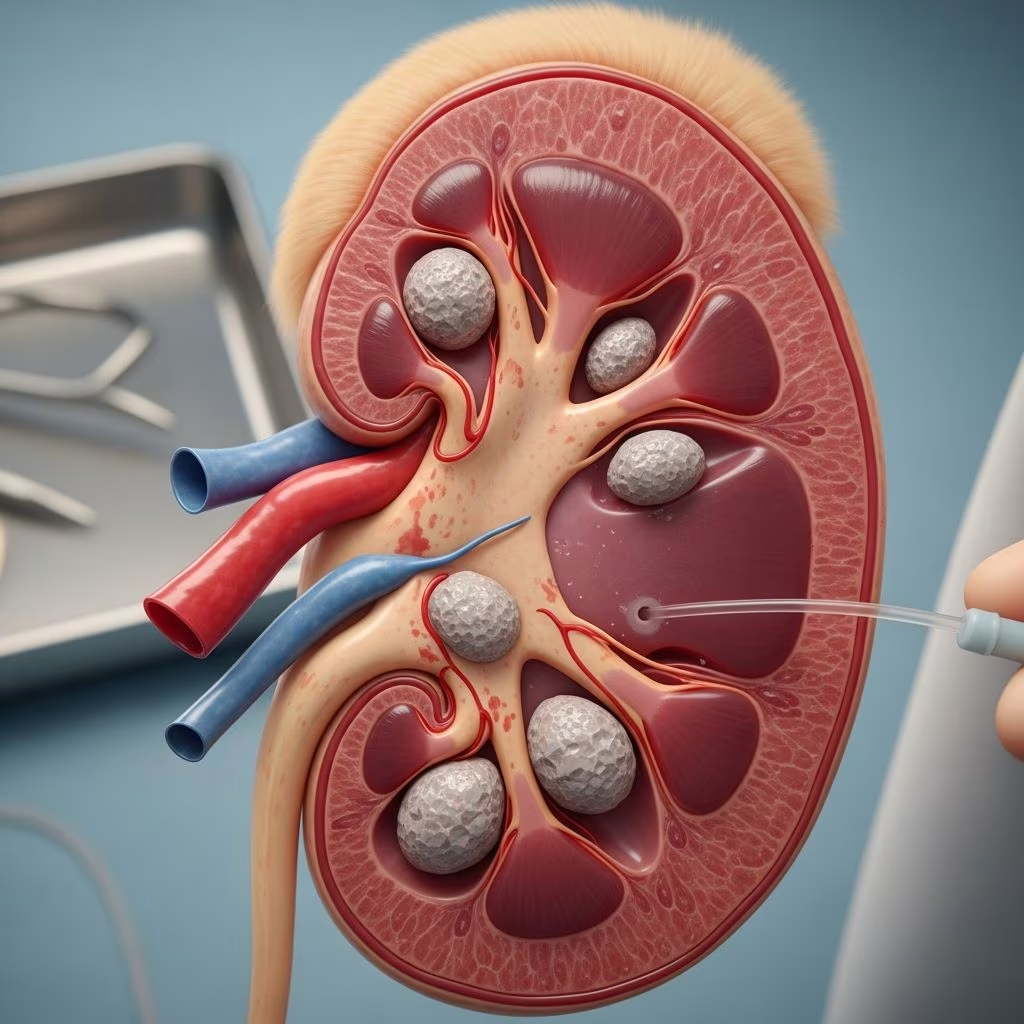
Introduction to Urinary Calculi Formation
Urolithiasis represents a significant health challenge in ruminant populations, characterized by the formation of mineral and organic concretions within the urinary system. These calcifications, commonly known as uroliths or urinary stones, develop through a complex interplay of multiple factors that create an environment favorable for mineral precipitation and crystallization. The condition affects male ruminants with particular frequency and severity, leading to substantial economic losses in both commercial and hobby farming operations while simultaneously compromising animal welfare and quality of life.
The formation of uroliths involves the accumulation of dissolved minerals in urine that crystallize around a nidus, eventually enlarging into clinically significant stones. Understanding the mechanisms driving stone formation is essential for developing comprehensive management and prevention strategies that address the underlying causes rather than merely treating symptoms.
Contributing Factors and Risk Elements
Multiple interconnected factors contribute to urolith development in ruminants, creating a multifactorial disease process that varies among individual animals and across populations. The complexity of urolithiasis etiology requires practitioners to consider several categories of risk factors simultaneously when evaluating affected animals and formulating prevention plans.
Anatomical and Physiological Factors
The anatomical structure of the male ruminant urinary tract predisposes these animals to urinary obstruction when stones form. The presence of the urethral diverticulum in ruminants and camelids creates a tortuous pathway that increases stone lodgment probability, particularly at the sigmoid flexure of the urethra and within the vermiform appendage in goats. This anatomical narrowing, combined with the relatively small diameter of the urethra compared to the bladder capacity, means that even moderately sized stones can create complete or partial urinary blockages.
Castrated males and wethers demonstrate higher incidence rates than intact males in many populations, suggesting that hormonal factors may influence stone formation or that altered behavior in castrated animals increases risk exposure.
Dietary Composition and Mineral Balance
Dietary components play a central role in urolith formation, with certain feedstuffs significantly increasing calculi risk. Alfalfa-based diets, which contain elevated phosphorus and magnesium concentrations, are associated with higher stone incidence. High-protein concentrate feeds, including certain commercial rations and dog food inadvertently fed to ruminants, contribute to mineral imbalances that promote crystallization.
The magnesium, ammonium, and phosphate (struvite) composition represents the most commonly encountered calculi type in ruminants across North America, though urolithiasis composition varies geographically and by management system. The dietary ratio of phosphorus to calcium influences urine saturation with stone-forming minerals, making mineral balance a critical consideration in nutritional management.
Urine pH and Water Intake
Urine pH significantly influences mineral solubility, with alkaline urine promoting precipitation of phosphate and magnesium compounds. Reduced water intake leads to more concentrated urine that exhibits higher mineral saturation, increasing the probability of crystallization. Environmental factors that limit water availability, including frozen water sources in winter and palatability issues, directly correlate with increased urolithiasis incidence in affected herds.
Genetic Predisposition
Genetic factors contribute to urolithiasis susceptibility, with certain bloodlines demonstrating increased stone formation tendency. These heritable components may influence urine pH regulation, mineral metabolism, or urinary tract anatomy, though the specific genetic mechanisms remain incompletely characterized.
Clinical Presentation and Recognition
Recognizing urolithiasis in ruminants requires understanding the variable clinical presentation that depends on obstruction severity, duration, and whether rupture has occurred. Early diagnosis significantly improves treatment outcomes and reduces mortality risk.
Early Warning Signs
Initial clinical manifestations often mimic primary gastrointestinal disease, leading producers to misinterpret the underlying condition. Anorexia and mild abdominal bloat frequently represent the first observable clinical signs, with owners frequently attributing these symptoms to gastroenteritis or other digestive disorders. Some animals display straining during urination or defecation, though this sign may be subtle during initial presentation.
Careful observation of urination patterns provides critical diagnostic information. Males with uncomplicated urolithiasis may demonstrate incomplete emptying of the bladder or interrupted urinary streams as calculi irritate urinary tract tissues.
Obstruction Manifestations
As obstruction develops, clinical signs become more pronounced and urgent. Complete urinary blockage creates a life-threatening emergency requiring immediate intervention. Affected animals display vocalization, repetitive posturing to urinate, and visible discomfort that distinguishes obstructive urolithiasis from primary gastrointestinal disease. Some animals refuse feed entirely and exhibit signs of severe abdominal pain. Feedlot steers with complete obstruction may be discovered dead without prior warning, sometimes with calculi visibly lodged on preputial hairs.
Post-Rupture Complications
If obstruction persists beyond 12 to 24 hours, bladder or urethral rupture becomes probable, with urine leaking into the peritoneal cavity. This complication creates a medical emergency characterized by uroperitoneum, a life-threatening condition requiring immediate surgical intervention. Animals with uroperitoneum may initially seem to improve as obstruction pressure releases, but systemic toxemia and electrolyte imbalances rapidly develop as inflammatory peritonitis progresses.
Diagnostic Procedures and Confirmation
Establishing a definitive diagnosis requires multiple diagnostic approaches, as no single test provides complete diagnostic certainty in all cases. The combination of clinical history, physical examination findings, and imaging results creates a comprehensive diagnostic foundation.
Physical Examination Techniques
Digital or manual rectal examination represents the most effective diagnostic tool in ruminants and camelids. In obstructed animals, the urethra typically pulses with repeated contractions, creating a distinctive tactile sensation that experienced practitioners recognize as highly suggestive of calculi. Abdominal palpation may reveal a distended bladder or enlarged kidneys, particularly in chronic cases.
The inability to pass a urinary catheter, while suggestive of obstruction, does not definitively confirm urolithiasis, as catheterization difficulty is normal in ruminants due to the urethral diverticulum. Therefore, negative catheterization results should not exclude urolithiasis from the diagnostic differential.
Imaging Modalities
Ultrasonographic examination provides valuable diagnostic information, particularly in small ruminants and camelids. Transrectal or trans-abdominal ultrasound effectively visualizes bladder distension, ureteral dilation, and kidney changes suggestive of obstruction. Renal pelvic dilation with preserved cortical tissue indicates obstruction with potential for functional recovery if relieved promptly, whereas cortical thinning suggests prolonged disease with reduced prognosis for renal recovery.
Abdominal radiography may reveal radiopaque calculi in some cases, though mineral composition affects radiographic visibility. Not all uroliths are radiopaque, limiting radiography utility in definitive diagnosis.
Laboratory Assessment
Serum biochemistry evaluation identifies metabolic consequences of obstruction, including elevated blood urea nitrogen and creatinine (azotemia) that indicates compromised renal function. Electrolyte abnormalities, particularly hyperkalemia and hyponatremia, develop secondary to obstruction and guide fluid therapy selection. Urinalysis may reveal crystalluria consistent with calculi formation, though crystal identification alone does not confirm obstruction.
Treatment Approaches: Medical and Surgical Options
Managing urolithiasis requires individualized treatment selection based on obstruction severity, animal value, and intended use. Treatment decisions balance intervention urgency against outcome probability and cost considerations.
Supportive Care Foundation
All obstructed animals require supportive care regardless of definitive treatment chosen. Intravenous fluid therapy addresses dehydration and electrolyte imbalances, with physiologic saline (0.9%) preferred for animals with uroperitoneum due to their typical hyponatremia and hypochloremia status. Fluid administration slows azotemia and electrolyte derangement progression while supporting systemic perfusion and renal function during treatment.
Pain management using nonsteroidal anti-inflammatory agents reduces discomfort and supports cardiovascular stability. Antibiotic therapy addresses the damaged urinary tract epithelium’s increased susceptibility to ascending infection. Beta-lactam antimicrobials or sulfonamides represent appropriate choices, though aminoglycosides and fluoroquinolones, while concentrated in urine, carry limitations due to food animal residue concerns and regulatory restrictions.
Surgical Interventions
Several surgical procedures address urinary obstruction while preserving normal urinary function when possible.
Urethral Process Amputation
Amputation of the urethral process (vermiform appendage) removes a common stone lodgment site in male ruminants. This procedure, typically performed under sedation with lumbosacral epidural anesthesia, facilitates penile extrusion and calculi removal. Success rates in published studies range from 63 to 73 percent, with variable postoperative follow-up documentation limiting definitive efficacy assessment.
Tube Cystostomy
Tube cystostomy represents the gold-standard procedure for breeding animals and companion goats, preserving normal urinary function while bypassing urethral obstruction. Under general anesthesia, the bladder is incised, accessible stones removed through gentle flushing, and a tube placed through the bladder wall to the body surface, allowing urine drainage during ongoing urethral obstruction. Antibiotic coverage continues throughout tube placement due to ascending infection risk.
The tube typically remains in place for a minimum of eight days to establish adhesions between the bladder and abdominal wall, reducing complications during removal. Most animals begin urinating normally through the penis once the urethra becomes patent and edema subsides, even before formal tube removal.
Perineal Urethrostomy
This procedure creates a permanent opening in the urethra on the perineum, bypassing the obstructed proximal urethra. While effective for treating obstructive urolithiasis, perineal urethrostomy results in permanent postoperative urinary incontinence and requires careful perineal management to prevent scalding and infection. This procedure is reserved for animals where breeding preservation is not essential or where repeat urethral obstruction has occurred despite preventive measures.
Tube Cystostomy for Urethral Rupture
Animals with confirmed urethral rupture require tube cystostomy rather than standard catheterization or hydropulsion, as urethral flushing proves ineffective in healing ruptured tissue. The tube maintains bladder decompression while tissues undergo healing and scarring processes.
Cystocentesis as Emergency Drainage
In animals where immediate surgical intervention is unavailable or where stabilization is required before definitive surgery, percutaneous cystocentesis provides emergency bladder decompression. While temporary relief of bladder pressure reduces rupture risk, cystocentesis does not resolve the underlying obstruction and requires subsequent definitive treatment.
Prevention and Long-Term Management
Successful long-term management of urolithiasis-prone animals requires comprehensive dietary and management modifications, as recurrence rates remain high without preventive intervention.
Dietary Modifications
Elimination of high-risk feedstuffs represents the foundation of preventive nutrition. Alfalfa hay should be replaced with grass hay alternatives, and access to inappropriate feeds such as dog food and certain commercial concentrates must be prevented.
Increasing dietary salt levels to 3 to 5 percent of dry matter intake (approximately 60 to 100 grams daily for a 100-kilogram animal) encourages increased water consumption and urine dilution, reducing mineral saturation and crystallization risk. Salt supplementation requires gradual implementation to ensure palatability and consistent animal consumption.
Ammonium chloride represents an alternative approach for urine acidification, requiring oral administration as a medication rather than dietary inclusion for optimal efficacy. When administered in pulsatile fashion (three days on, four days off at doses titrated to achieve urine pH below 6.5), ammonium chloride effectively reduces struvite crystal formation. Continuous dosing reduces efficacy as animals develop adaptation, necessitating the intermittent dosing schedule. Table sugar helps mask the unpalatable flavor, improving compliance.
Proprietary dietary products containing soychlor or pasturechlor provide effective herd-level management options by modifying urine pH and mineral saturation without relying on animal willingness to consume ammonium chloride.
Water Management
Ensuring reliable access to clean, palatable water at all times represents a critical prevention element. Winter water provision requires special attention, as frozen water sources significantly reduce intake and increase urolithiasis risk. Tank heaters and frequent water replacement maintain water availability and palatability during cold weather.
Monitoring and Surveillance
Once an animal has formed uroliths, the probability of recurrence remains elevated indefinitely despite preventive measures. Regular monitoring for early clinical signs enables prompt intervention if obstruction redevelops. Nutritional compliance remains essential, as dietary adherence directly correlates with prevention success rates.
Special Considerations Across Species
While urolithiasis affects multiple ruminant species, important variations exist in presentation and management approach.
Small Ruminants
Goats and sheep demonstrate the highest urolithiasis incidence among ruminants, with male animals particularly susceptible. The small ruminant urethra’s narrow diameter and vermiform appendage create unique anatomical challenges that increase obstruction severity and complicate stone removal.
Cattle in Feedlot Systems
Feedlot cattle experience significant urolithiasis incidence, particularly steers, due to controlled diet composition and limited exercise that may influence metabolic function. Concentrated grain rations high in phosphorus and magnesium content predispose these animals to stone formation.
Camelids
Alpacas and llamas develop urolithiasis less frequently than small ruminants but face unique diagnostic and treatment challenges. Their less-pliant abdominal walls necessitate transrectal or trans-abdominal ultrasonographic examination for diagnosis, as physical examination findings differ from other ruminants. Additionally, camelids demonstrate higher mortality rates from metabolic complications associated with urolithiasis.
Prognosis and Long-Term Outcomes
Treatment success and long-term prognosis depend on intervention timing, obstruction duration before treatment, and renal function preservation. Animals treated within 12 to 24 hours of obstruction onset generally demonstrate favorable outcomes with normal renal function recovery, particularly if preoperative ultrasound reveals preserved cortical tissue.
Chronic obstruction with significant renal pelvic dilation and cortical thinning carries guarded prognosis for complete renal function recovery, though azotemia may resolve with appropriate surgical management and supportive care. Animals with confirmed uroperitoneum require aggressive treatment but face increased mortality risk and potential for chronic complications.
Conclusion
Urolithiasis represents a serious health threat to ruminant populations requiring rapid recognition and decisive treatment. Understanding the multifactorial etiology, recognizing variable clinical presentations, and implementing comprehensive prevention strategies enables practitioners and producers to minimize disease incidence while maximizing treatment outcomes when obstruction develops. The combination of appropriate surgical intervention, supportive care, and long-term dietary management provides the best opportunity for successful resolution and prevention of recurrence in affected animals.
References
- Urolithiasis in Small Ruminants: Surgical and Dietary Management — American Association of Small Ruminant Practitioners. 2004. https://aasrp.org/Common/Uploaded%20Files/resources/VanMetre_urolith_surgery_04.pdf
- Urinary Calculi of Small Ruminants — PubMed/National Center for Biotechnology Information. 2023. https://pubmed.ncbi.nlm.nih.gov/37032300/
- Ruminant Urolithiasis – Large Animal Surgery – Supplemental Notes — University of Minnesota Open Textbooks. Accessed 2024. https://open.lib.umn.edu/largeanimalsurgery/chapter/urolithiasis/
- Obstructive Urolithiasis in Goats — Mississippi State College of Veterinary Medicine. 2017. https://www.vetmed.msstate.edu/sites/www.vetmed.msstate.edu/files/presentations/5.19.17%20Obstructive%20Urolithiasis%20in%20Goats%20(Kaitlin%20Wilson).pdf
- Urinary Calculi in Small Ruminants — University of Illinois College of Veterinary Medicine. 2024. https://vetmed.illinois.edu/2024/10/01/urinary-calculi-in-small-ruminants/



