Understanding Urine Protein in Pets
Learn how urine protein indicates kidney health and what elevated levels mean for your pet.
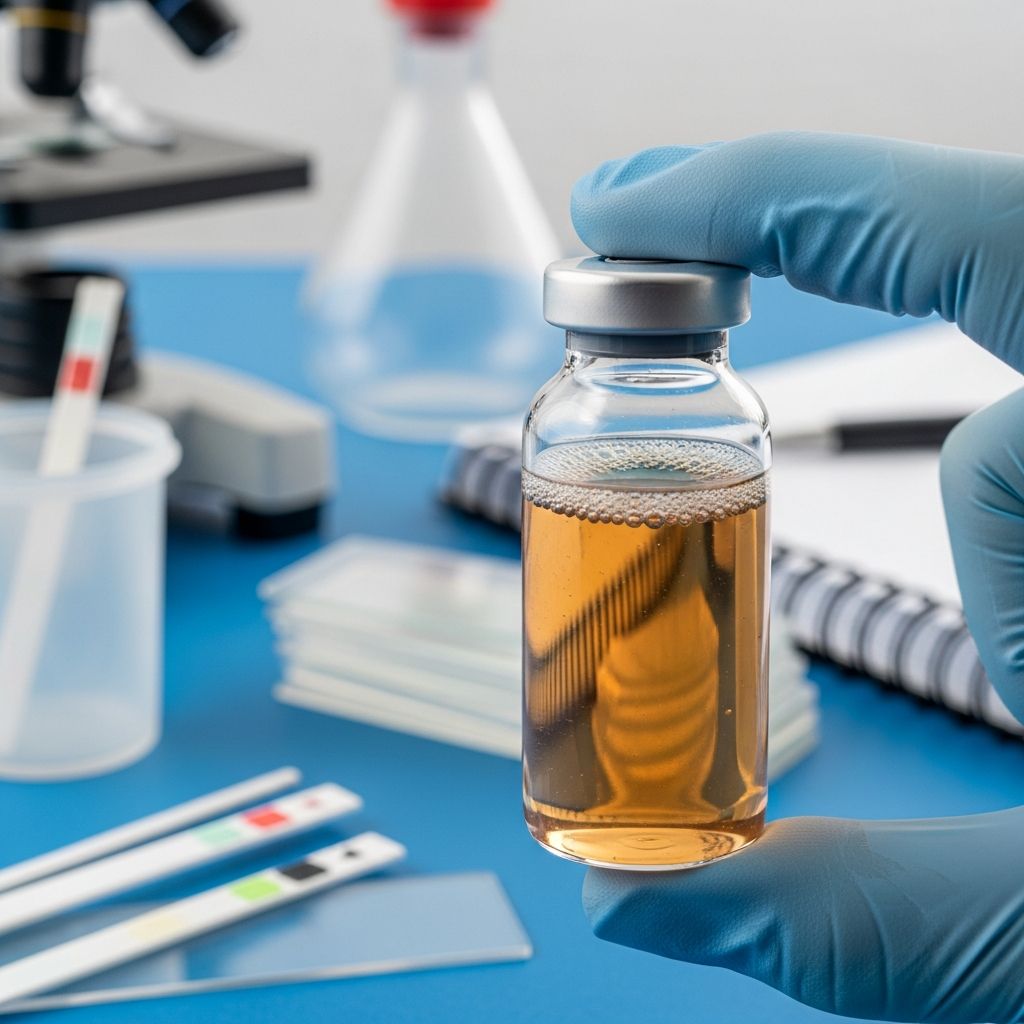
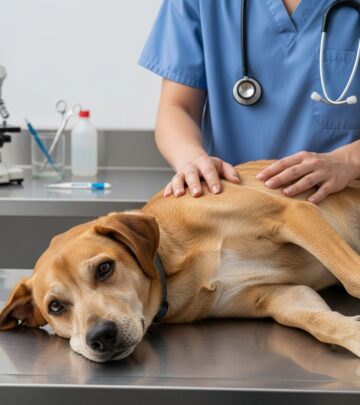
During routine veterinary visits, your veterinarian may perform a urinalysis as part of your pet’s health screening. One important finding in a urinalysis is the presence of protein in the urine. While many pet owners may not think twice about this result, understanding what urine protein means is crucial for identifying potential health issues early. Protein in the urine, medically known as proteinuria, can be an important indicator of your pet’s overall health and kidney function.
Why is Finding Protein in Your Pet’s Urine a Cause for Concern?
Protein is an essential nutrient that plays vital roles throughout your pet’s body. One of the kidneys’ most important jobs is to prevent the loss of protein in the urine while filtering out waste products. When protein appears in your pet’s urine, it indicates that the kidneys may not be functioning properly. In some situations, proteinuria may even be an early sign of kidney failure.
The presence of protein in urine is not normal in healthy animals. A healthy pet’s kidneys should filter out waste while retaining valuable proteins in the bloodstream. When this filtration system becomes compromised, proteins leak into the urine. This can occur for various reasons, ranging from temporary conditions to serious chronic diseases. Understanding the significance of proteinuria is the first step in protecting your pet’s health.
What Causes Protein in Pet Urine?
Proteinuria can result from multiple causes, and not all instances indicate kidney disease. Several conditions can lead to protein appearing in your pet’s urine:
- Kidney disease or kidney failure
- Bacterial urinary tract infections
- Bladder inflammation or stones
- Prostatic disease in male dogs
- Vaginitis in female dogs
- Cancer affecting the urinary system
- Bleeding or inflammation in the urinary tract
- Diabetes mellitus
- Fever or infection elsewhere in the body
- Intense exercise or stress
How is Proteinuria Detected?
Veterinarians have several methods available to detect and measure protein in your pet’s urine. Each method has different applications and levels of sensitivity:
Urine Dipstick Test
The urine dipstick is the most common and routine method for detecting protein during a standard urinalysis. However, this method has limitations due to lower specificity, meaning it may not always provide the most accurate measurement of protein levels.
Sulfosalicylic Acid Turbidimetric Test
This confirmatory test should be used to verify results from the urine dipstick. It provides better specificity than the dipstick alone and helps confirm whether protein is truly present in significant amounts.
Urine Protein:Creatinine Ratio Test
The urine protein:creatinine (UPC) ratio is a quantitative test that measures exactly how much protein is being lost through the kidneys. This test is particularly valuable because it accounts for urine concentration, providing a more accurate assessment of protein loss. However, the presence of gross hematuria (visible blood) and active sediment can affect this value.
Early Renal Damage Test
The early renal damage (ERD) test is a simple rapid test that detects microalbuminuria, which are minute amounts of protein in urine. This test is the most sensitive in detecting small amounts of protein and is helpful in identifying early proteinuria, especially in pets at high risk for kidney disease.
What Does an Abnormal Urine Protein Result Mean?
When your veterinarian identifies protein in your pet’s urine, the interpretation depends on several factors. Understanding what your pet’s specific results mean is essential for determining the next steps in diagnosis and treatment.
Normal Protein Levels
In a normal, healthy dog or cat, small amounts of protein being passed in the urine is actually a normal finding. It is only when protein levels exceed normal ranges that concern arises. The key to interpreting results is understanding what constitutes clinically significant proteinuria.
Interpreting Results with Urine Specific Gravity
When evaluating proteinuria, your veterinarian must assess the result in light of your pet’s urine specific gravity (USG). Urine specific gravity measures how concentrated the urine is. For example, if proteinuria is measured at 1+ but the pet is concentrating their urine appropriately with a USG of 1.04, this is unlikely to be a significant finding. This is because concentrated urine naturally contains higher concentrations of all substances, including protein.
The Protein:Creatinine Ratio Interpretation
When a urine protein:creatinine ratio test is performed on a urine sample free of visible blood and inflammatory cells, specific thresholds indicate disease:
- A UPC ratio greater than 0.4 in cats indicates significant protein loss through the kidneys
- A UPC ratio greater than 0.5 in dogs indicates significant protein loss through the kidneys
- When the UPC ratio is greater than 2.0, there is significant protein loss even if kidney function tests are normal, suggesting primary kidney disease is present
- Normal UPC values are less than 0.2 for both dogs and cats
- A “grey-zone” exists between 0.2-0.4 for cats and 0.2-0.5 for dogs that requires careful interpretation
Can Any Urine Sample Be Used to Measure Protein:Creatinine Ratio?
Not all urine samples are suitable for the protein:creatinine ratio test. The protein:creatinine ratio should be performed only on urine that is free of visible blood (enough to discolor the urine) and inflammatory cells. A complete urinalysis and sediment evaluation should be completed first to determine if the sample is suitable for the protein:creatinine test.
The presence of visible blood and inflammation may give a falsely high ratio, suggesting kidney disease is present when the actual cause is something else entirely. This is why your veterinarian will typically perform a full urinalysis before recommending or interpreting a UPC ratio test.
When Protein is Detected: What Happens Next?
If your veterinarian detects protein in your pet’s urine during a routine urinalysis, the next steps depend on what else is found in the urine sample.
If Inflammation or Bleeding is Present
If the urinalysis reveals inflammation or bleeding, your veterinarian will recommend further testing to look for specific conditions such as:
- Bacterial infection
- Bladder stones
- Prostatic disease (in male dogs)
- Vaginitis (in females)
- Cancer
Following treatment of the underlying condition, a repeat urinalysis is recommended to determine if the inflammation, bleeding, and proteinuria have resolved.
If an Elevated Protein:Creatinine Ratio is Found
Current recommendations suggest confirming that the UPC is clinically significant by repeating the test 2-3 times over a 2-week period. This helps determine whether the protein loss is a temporary fluctuation or indicates a persistent problem. For a ratio less than 2.0 without other identified cause for disease, it is reasonable to repeat the test to determine if protein loss is ongoing.
Does an Elevated Protein:Creatinine Ratio Explain the Underlying Problem?
An important point to understand is that an elevated protein:creatinine ratio only helps establish that a problem exists—it does not identify the cause. Further investigation is required to determine what is causing the protein loss. This investigation may include:
- Testing for bacterial infection
- Screening for infectious disease
- Performing an ultrasound of the kidneys
- Conducting a kidney biopsy to examine kidney tissue directly
- Blood pressure measurement
- Comprehensive blood work analysis
Once a complete diagnosis is made, your veterinarian can develop an effective treatment and management plan tailored to your pet’s specific condition.
Kidney Disease Staging and Proteinuria
For pets diagnosed with chronic kidney disease, proteinuria is an important factor in disease staging. Veterinarians use the IRIS (The International Renal Interest Society) staging system to determine the severity of kidney disease. IRIS staging is based on serum creatinine levels, with sub-staging based on the presence of protein in the urine as determined by a urine protein:creatinine ratio. This staging system helps your veterinarian decide how to proceed with treatment, monitor your pet’s progress, and estimate your pet’s prognosis.
What You Should Know About Normal Kidney Function
An important fact to remember is that normal BUN and creatinine values do not necessarily indicate the kidneys are healthy when the urine protein:creatinine ratio is elevated. These blood tests measure kidney function differently than the UPC ratio. The UPC ratio can show early kidney damage before traditional kidney function tests become abnormal. This is why comprehensive testing that includes both blood work and urine analysis is so important.
Frequently Asked Questions About Urine Protein
Q: Is protein in urine always a sign of kidney disease?
A: No. While proteinuria can indicate kidney disease, it can also result from urinary tract infections, bleeding, inflammation, or other systemic conditions. Further testing is needed to determine the cause.
Q: Should I be concerned if my veterinarian finds a trace of protein in my pet’s urine?
A: Not necessarily. Small amounts of protein can be normal, especially if the urine is concentrated. Your veterinarian will interpret the result based on your pet’s urine specific gravity and other findings.
Q: How often should my pet’s urine be tested?
A: Annual urinalysis is recommended for all pets during their yearly physical exam. Senior pets, those with chronic conditions, or those with previous proteinuria may need more frequent testing.
Q: Can proteinuria be treated?
A: Treatment depends on the underlying cause. Once a diagnosis is made, your veterinarian can recommend appropriate treatment, which may include medication, dietary changes, or management of the underlying condition.
Q: What is the difference between microalbuminuria and regular proteinuria?
A: Microalbuminuria detects very small amounts of protein (albumin) that the standard dipstick test may miss. It is used for early detection of kidney problems, especially in high-risk pets.
References
- Urine Protein:Creatinine Ratios — VCA Animal Hospitals. https://vcahospitals.com/know-your-pet/urine-proteincreatinine-ratios
- Proteinuria in Dogs: GP Guide — IndeVets. https://indevets.com/blog/proteinuria-in-dogs-gp-guide/
- Early Stage Testing for Kidney Disease in Cats — VCA Animal Hospitals. https://vcahospitals.com/know-your-pet/early-stage-testing-for-kidney-disease-in-cats
- Early Stage Testing for Kidney Disease in Dogs — VCA Animal Hospitals. https://vcahospitals.com/know-your-pet/early-stage-testing-for-kidney-disease-in-dogs
- Chronic Kidney Disease in Cats — VCA Animal Hospitals. https://vcahospitals.com/know-your-pet/kidney-failure-chronic-in-cats
- Urine Protein — VCA Animal Hospitals. https://vcahospitals.com/know-your-pet/urine-protein
- Chronic Kidney Disease in Dogs — VCA Animal Hospitals. https://vcahospitals.com/know-your-pet/kidney-failure-chronic-in-dogs
Similar Articles








Read full bio of Sneha Tete