
Urine Output and Density in Veterinary Care
Essential guide to assessing urine volume and specific gravity for accurate diagnosis of kidney health in dogs and cats.
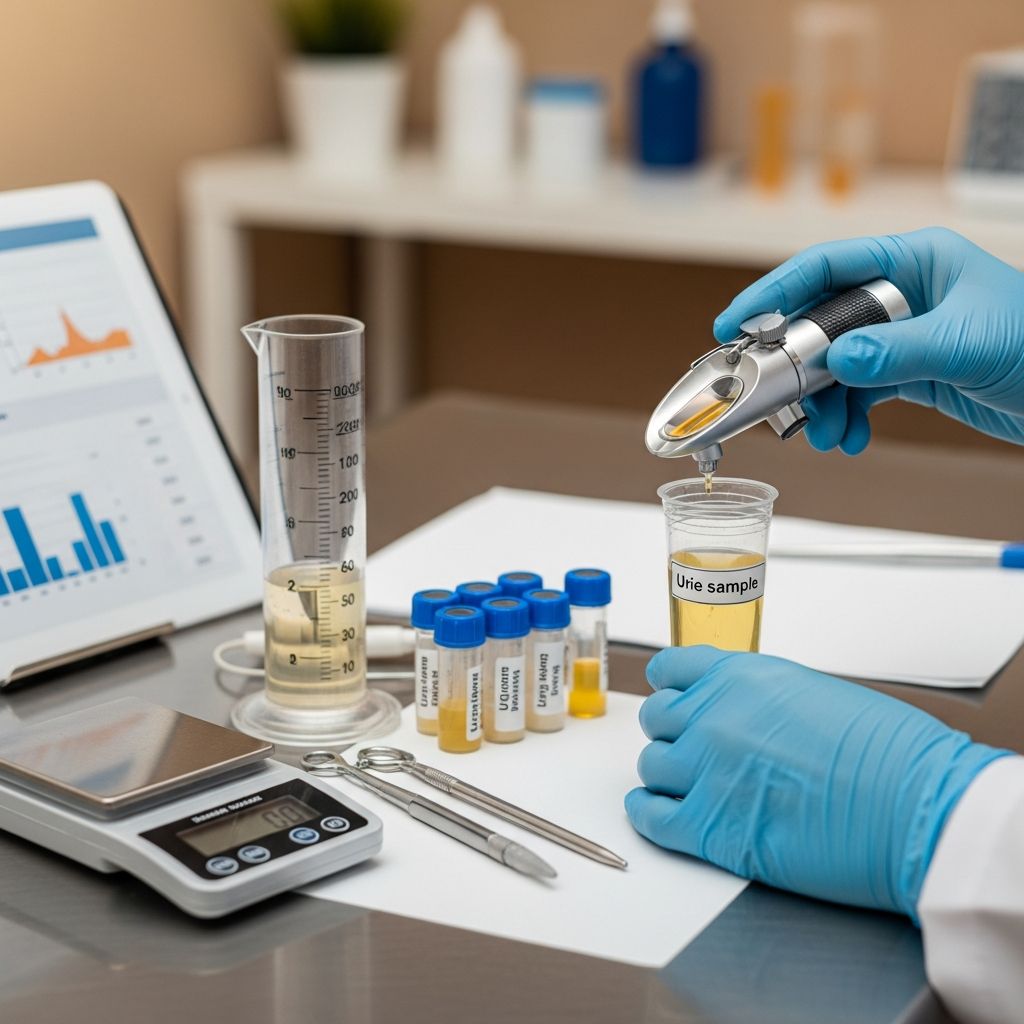
Monitoring urine production and concentration provides vital insights into an animal’s hydration status and renal efficiency. These parameters help veterinarians distinguish between normal physiology and pathological conditions like kidney failure or diabetes.
Why Urine Parameters Matter in Pet Health
Urine serves as a window into metabolic processes, reflecting the body’s ability to filter waste and maintain fluid balance. Abnormalities in volume or density often signal issues in the kidneys, endocrine system, or hydration levels. For instance, low output paired with high concentration suggests dehydration, while dilute urine in the face of elevated blood waste points to renal impairment.
In clinical settings, these measurements are part of routine urinalysis, which evaluates physical traits, chemical makeup, and microscopic elements. Early detection through these tests can prevent progression of diseases, making them indispensable for preventive care.
Methods for Collecting Urine Samples
Accurate assessment begins with proper sample acquisition. Several techniques ensure sterility and representativeness, each suited to different scenarios.
- Free-catch method: Involves capturing midstream urine during natural voiding. It’s non-invasive but risks contamination from genital bacteria.
- Catheterization: Passes a tube through the urethra into the bladder. Ideal for microbiology but requires skill to avoid trauma.
- Cystocentesis: Ultrasound-guided needle aspiration directly from the bladder. Preferred for culture as it minimizes contamination; performed under restraint with ethanol prep.
Collect 10-20 ml in sterile containers, analyze within an hour, or refrigerate to preserve integrity. Indicate collection method on submissions for context.
Measuring Urine Concentration: Specific Gravity Explained
**Specific gravity (USG)** quantifies urine density relative to water, indicating concentrating ability. Normal ranges vary by species: dogs 1.015-1.045, cats 1.020-1.060. Refractometers provide quick, reliable readings on fresh samples.
| Species | Normal USG Range | Concentrated (>) | Isosthenuric (≈) |
|---|---|---|---|
| Dog | 1.015-1.045 | 1.030 | 1.008-1.012 |
| Cat | 1.020-1.060 | 1.035 | 1.008-1.012 |
Dehydrated animals produce USG >1.030 (dogs) or >1.035 (cats), conserving water. Isosthenuria (1.008-1.012) in azotemic patients flags renal azotemia.
Factors Affecting Urine Production Rates
Daily urine output depends on water intake, diet, environment, and health. Healthy dogs produce 20-100 ml/kg/day; cats 10-20 ml/kg/day. Factors include:
- High protein diets increase output via urea excretion.
- Hot weather or exercise boosts intake and volume.
- Medications like diuretics elevate production.
Polyuria (excess volume) or oliguria (reduced) requires investigation. Track via 24-hour collections or owner logs for home monitoring.
Interpreting Abnormal Volume Patterns
Deviations guide diagnosis:
- Oliguria (<1 ml/kg/hr): Seen in dehydration, shock, or acute kidney injury. Paired with high USG.
- Polyuria (>2 ml/kg/hr): Indicates diabetes mellitus, mellitus insipidus, or chronic kidney disease. Often dilute USG.
- Anuria: Complete cessation signals urethral obstruction or end-stage renal failure—emergency.
Combine with serum creatinine and BUN: pre-renal azotemia shows concentrated urine; intrinsic renal features dilute samples.
Physical and Chemical Urine Evaluation
Beyond volume and USG, assess color (yellow-amber normal; red suggests blood), turbidity (clear ideal; cloudy indicates infection/crystals), and dipstick for pH (5.5-8.5), protein, glucose, ketones.
Protein:creatinine ratio (UPC) quantifies proteinuria: <0.5 normal in dogs; >1.0 abnormal, warranting glomerular checks. Inactive sediment required for validity.
Microscopic Insights from Urine Sediment
Centrifuge 10 ml, resuspend sediment, examine under microscope. Key findings:
- Bacteria, WBCs: Infection.
- Crystals: Risk urolithiasis; type informs diet therapy.
- Casts, RBCs: Renal damage.
Low power scans quantity; high power identifies.
Clinical Scenarios and Diagnostic Integration
Dehydration Assessment
Concentrated urine (high USG) with azotemia = pre-renal. Responds to fluids.
Chronic Kidney Disease
Progressive loss of concentration leads to isosthenuria, polyuria, proteinuria.
Endocrine Disorders
Diabetes: glucosuria, dilute urine. Cushing’s: dilute, proteinuric.
Integrate with bloodwork, imaging for full picture.
Best Practices for Sample Handling
- Fresh analysis preferred; refrigerate if delayed.
- Avoid contaminants; use sterile tools.
- Submit with patient history.
Frequently Asked Questions (FAQs)
What is a normal urine specific gravity for my dog?
Around 1.015-1.045; varies with hydration.
How does cystocentesis benefit urinalysis?
Provides uncontaminated sample for accurate culture and sediment eval.
Can home tests measure specific gravity?
Refractometers yes; consult vet for interpretation.
What causes dilute urine in cats?
Kidney disease, diabetes, overhydration.
Is proteinuria always serious?
UPC >0.5-1.0 yes; monitor and investigate.
Advances in Urine Diagnostics
Point-of-care analyzers now offer rapid UPC, electrolytes. Future biomarkers may enhance early detection.
References
- Urinalysis | Cornell University College of Veterinary Medicine — Cornell University. 2023. https://www.vet.cornell.edu/animal-health-diagnostic-center/testing/testing-protocols-interpretations/urinalysis
- Urinalysis in Companion Animals: Collection, Handling, & Evaluation — Today’s Veterinary Practice. 2014. https://todaysveterinarypractice.com/clinical-pathology/todays-technician-urinalysis-in-companion-animals-part-1-collection-sample-handling-initial-evaluation/
- Urinalysis | VCA Animal Hospitals — VCA Hospitals. 2023. https://vcahospitals.com/know-your-pet/urinalysis
- Urinalysis in dog and cat: A review – PMC — PMC (PubMed Central). 2020-11-30. https://pmc.ncbi.nlm.nih.gov/articles/PMC7704312/
- A Pet Parent’s Guide to Urinalysis for Pets — Guilford Jamestown Vet. 2022-09-15. https://www.guilfordjamestownvet.com/site/blog-greensboro-vet/2022/09/15/urinalysis-dog-cat
- Urinalysis – Clinical Pathology and Procedures — Merck Veterinary Manual. 2023. https://www.merckvetmanual.com/clinical-pathology-and-procedures/diagnostic-procedures-for-the-private-practice-laboratory/urinalysis
Similar Articles








Read full bio of Sneha Tete


