

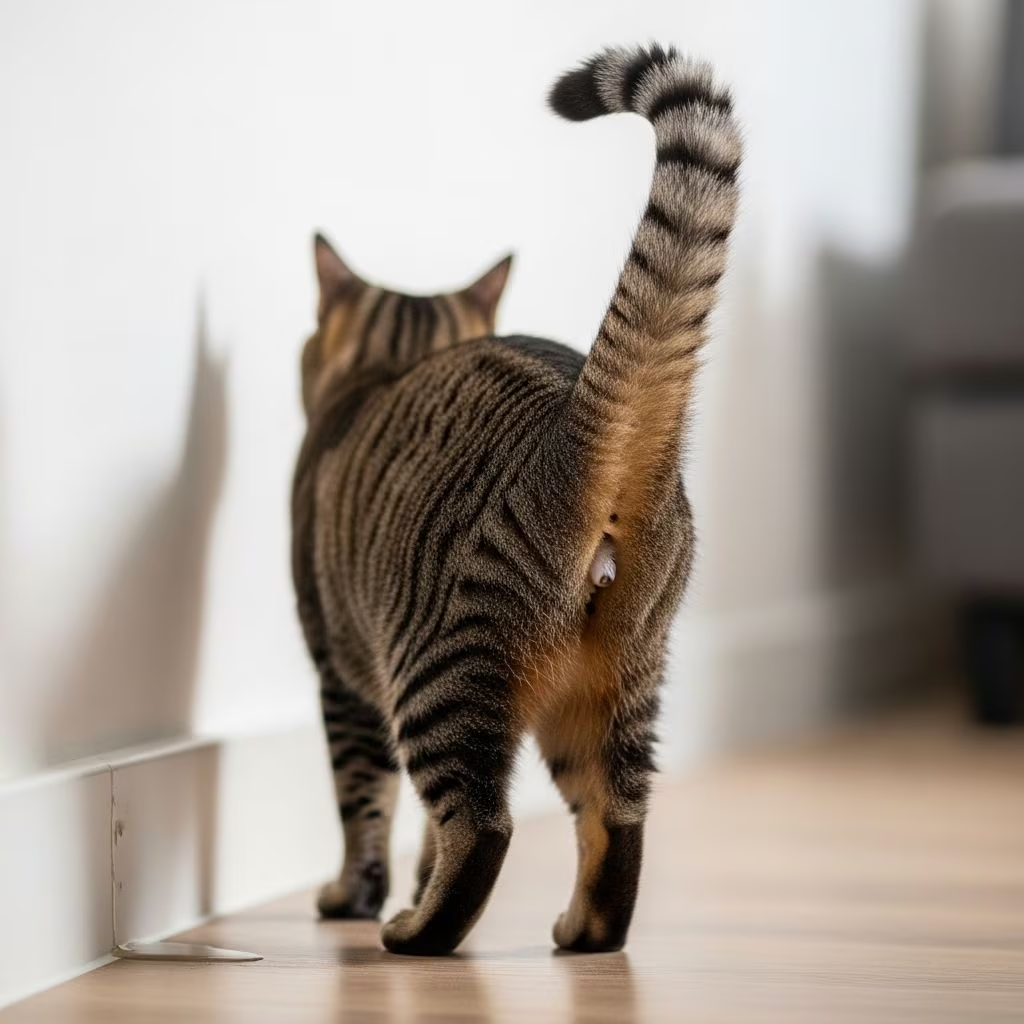
Urine marking, often called spraying, is a natural feline behavior where cats deposit small amounts of urine on vertical surfaces to communicate territory, reduce stress, or respond to environmental changes. Unlike litter box avoidance, marking cats continue using their box normally, making it a distinct issue requiring specific interventions.
How Can I Tell If My Cat Is Urine Marking?
Distinguishing urine marking from other elimination problems is crucial, as treatments differ significantly. Cats that urine mark typically continue using their litter box for regular elimination but add small urine deposits elsewhere, especially on vertical surfaces.
- Vertical targeting: Cats back up to objects like walls, furniture sides, or curtains, raise their tail straight up (often twitching), and spray urine horizontally onto the surface. This mirrors leg-lifting in dogs.
- Small volume: Marks are minimal amounts, not full bladder voids like in litter box use.
- Pungent odor: Marking urine contains extra pheromones and chemicals for communication, creating a strong, foul smell detectable by humans and other cats.
If your cat squats on horizontal surfaces like floors or beds with larger puddles, it’s likely not marking but an aversion or medical issue—consult a vet to rule out urinary tract infections (UTIs) or blockages.
Why Do Cats Urine Mark?
Cats mark for instinctual reasons tied to survival, communication, and comfort. Both intact and altered cats of any age or gender can mark, though it’s more prevalent in unneutered males and during high-stress periods like spring breeding seasons.
Territorial Claims
The primary driver is territory marking. Cats are solitary hunters by nature, using scent to advertise presence, deter rivals, and signal availability. Indoor cats may mark upon detecting outdoor strays via windows or doors.
Stress and Anxiety
Environmental changes trigger marking as a self-soothing mechanism. Common stressors include new pets, household moves, furniture rearrangements, or routine disruptions. Seeing outdoor cats or smelling their scents on clothes/objects heightens tension.
Mating Instincts
Unaltered cats mark more due to hormonal surges during heat cycles. Females in estrus and males seeking mates spray to attract partners or claim areas. Neutering reduces this dramatically.
Medical Factors
Health issues mimic marking; UTIs, bladder stones, diabetes, or arthritis can cause inappropriate urination. Painful conditions lead to avoidance of litter boxes, but vets must diagnose via urinalysis.
Household Dynamics
Multi-cat homes see marking from inter-cat tension, resource competition, or bullying. New animals introduce unfamiliar scents, prompting defensive sprays.
How Can Urine Marking Be Stopped?
Stopping marking requires a multi-faceted approach: rule out medical causes first, then address behavioral and environmental triggers simultaneously. Consistency is key, as ingrained habits persist without intervention.
- Veterinary Checkup: Start with a full exam to exclude UTIs, crystals, or other illnesses. Treat underlying conditions promptly to prevent escalation.
- Spay or Neuter: Alters hormones, reducing marking by 90% in many cases. Ideal for intact cats; even previously marking altered cats benefit from early intervention.
- Thorough Cleaning: Urine odors lure recanting. Use enzymatic cleaners (not ammonia-based or scented products) to break down proteins. Blacklight reveals hidden spots glowing yellow-green.
- Environmental Management: Block sightlines to outdoor cats with curtains or restrict window/door access. Separate feuding cats with barriers or pheromone diffusers like Feliway.
- Positive Associations: Feed, play, or give treats in marked areas to rewire associations. Make those spots desirable for non-marking behaviors.
- Litter Box Optimization: Ensure 1 box per cat +1, scooped daily, in quiet locations. Though marking cats use boxes, poor hygiene exacerbates stress.
- Anti-Anxiety Aids: Pheromone products mimic calming scents. Consult vets for medications if severe.
What If My Cat Suddenly Starts Urine Marking?
Sudden onset signals acute triggers. Assess recent changes: new household members/pets, visitors, renovations, or seasonal stray activity. Medical emergencies like blockages cause straining or frequent small voids—seek emergency vet care if accompanied by blood, lethargy, or vocalizing.
In multi-cat homes, observe interactions for bullying. Isolate and reintroduce slowly using scent swapping. For outdoor exposure, secure screens and discourage strays with motion deterrents.
Prevention Strategies
Proactive steps minimize risks:
- Spay/neuter before 6 months to prevent habit formation.
- Maintain stable routines and enrich environments with scratching posts, perches, and toys.
- Use low-cost spay/neuter services for accessibility.
- Monitor for early signs like sniffing/marking postures.
| Trigger | Signs | Solutions |
|---|---|---|
| Territory | Sprays near doors/windows | Block views, neuter |
| Stress | Increased frequency post-change | Pheromones, routine stability |
| Medical | Licking genitals, straining | Vet exam, antibiotics if UTI |
| Mating | Seasonal, vocalizing | Spay/neuter |
Frequently Asked Questions (FAQs)
Will neutering stop spraying in my adult cat?
Yes, for 90% of cases, especially if done before habits form. Success drops if marking is long-standing, but combine with other strategies.
Is spraying the same as peeing outside the litter box?
No. Spraying is small amounts on verticals with tail up; litter issues involve squatting on flats with full voids.
What cleaner works best for cat urine?
Enzymatic cleaners neutralize odors fully. Avoid ammonia/scented products that mimic urine or provoke re-marking.
Can female cats spray?
Yes, though less common than males. Unspayed females mark during heat; stress affects all.
How long until marking stops after neutering?
Hormones fade in weeks, but habits may linger months. Full protocol accelerates resolution.
Urine marking frustrates owners but responds well to prompt, comprehensive action. Patience and veterinary guidance ensure success, restoring peace for you and your cat.
References
- Urine Marking in Cats: Why Do They Do It? — Pet Assure. Accessed 2026. https://www.petassure.com/maxscorner/urine-marking-in-cats-why-do-they-do-it/
- Litter Box Problems — ASPCA. Accessed 2026. https://www.aspca.org/pet-care/cat-care/common-cat-behavior-issues/litter-box-problems
- Cat Spraying/Marking — Wisconsin Humane Society. Accessed 2026. https://www.wihumane.org/cat-spraying
- How Do I Stop My Cat from Spraying? — Elanco (Your Pet and You). Accessed 2026. https://yourpetandyou.elanco.com/us/behavior/how-do-i-stop-my-cat-from-spraying
- Urine Marking in Cats — Maddie’s Fund. Accessed 2026. https://www.maddiesfund.org/kb-urine-marking-in-cats.htm
- Urine Marking — Alley Cat Rescue. Accessed 2026. https://www.saveacat.org/urine-marking.html



