

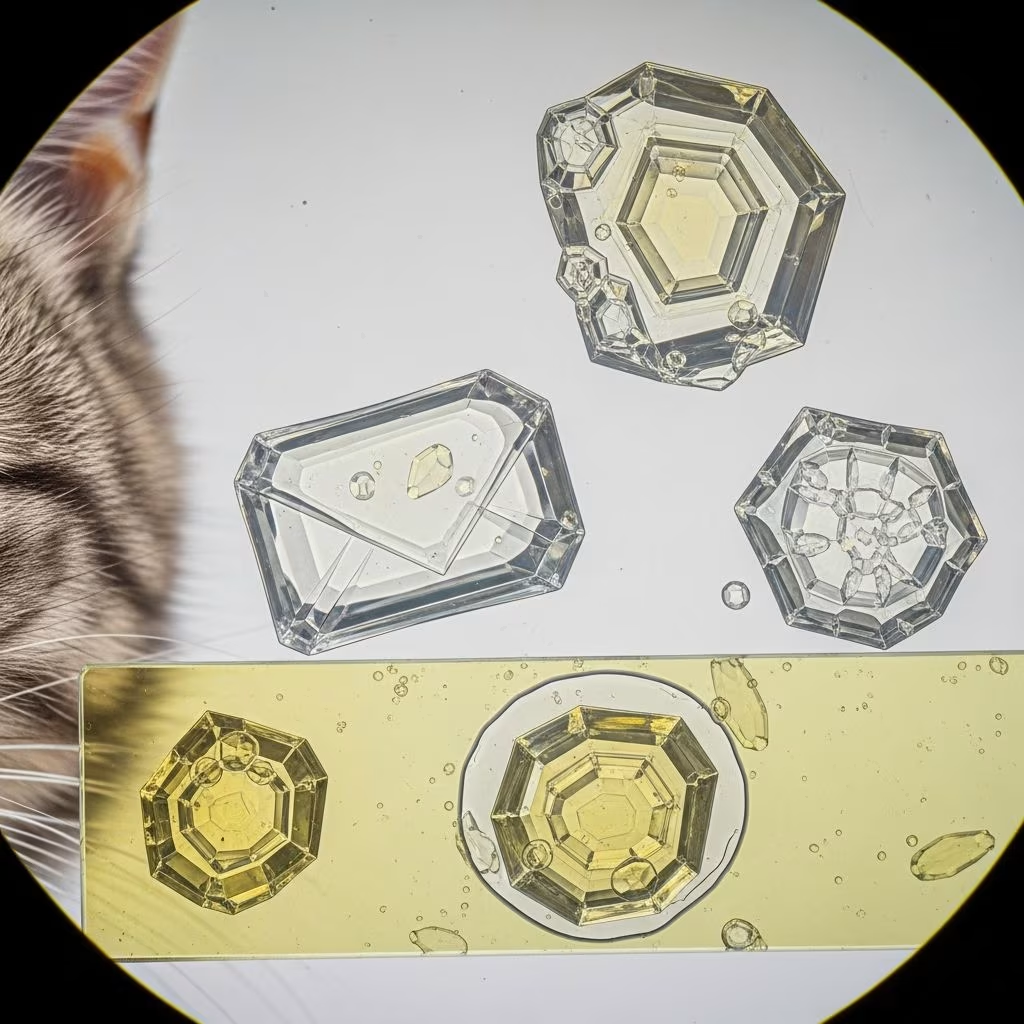
Urine crystals represent a frequent urinary concern for dogs and cats, forming when minerals in the urine reach high concentrations and solidify into tiny structures that may progress to painful stones or blockages. These issues demand prompt attention to safeguard pet health, with management focusing on diet, hydration, and veterinary intervention.
Understanding the Formation of Urinary Crystals
Urinary crystals develop in pets when urine becomes supersaturated with minerals such as magnesium, phosphate, ammonium, or calcium oxalate, influenced by urine pH, concentration, and underlying health factors. In cats, struvite crystals thrive in alkaline environments often linked to bacterial infections producing urease, which raises pH levels. Dogs experience similar dynamics, though ammonium urate crystals may signal liver conditions.
Concentrated urine from inadequate water intake exacerbates crystal formation, a common issue in indoor cats reliant on dry food diets that mimic low-moisture prey but fail to promote sufficient drinking. Genetic predispositions also play a role, with certain breeds more susceptible due to metabolic processing differences.
Primary Types of Crystals Affecting Dogs and Cats
Different crystal varieties pose distinct risks, identified by shape and composition under microscopic examination.
- Struvite Crystals: Composed of magnesium ammonium phosphate, these coffin-shaped formations predominate in cats with urinary tract infections (UTIs) and alkaline urine. They can aggregate into plugs blocking the narrow male feline urethra.
- Calcium Oxalate Crystals: Envelope or dumbbell-shaped, these form in acidic urine and resist dissolution, often requiring surgical removal if they develop into stones. Excess dietary calcium or oxalic acid contributes.
- Ammonium Urate Crystals: More common in dogs, these indicate potential liver dysfunction or portosystemic shunts, appearing as needle-like structures.
- Bilirubin Crystals: Seen in concentrated canine urine or feline liver issues, these signify bilirubin excess.
| Crystal Type | Common in | Urine pH Preference | Key Risk Factors |
|---|---|---|---|
| Struvite | Cats & Dogs | Alkaline | UTIs, low water intake |
| Calcium Oxalate | Cats & Dogs | Acidic | High mineral diet, genetics |
| Ammonium Urate | Dogs | Variable | Liver disease |
| Bilirubin | Dogs mainly | Concentrated | Liver issues |
Recognizing Symptoms of Urinary Crystal Problems
While small crystal quantities may pass unnoticed, excessive buildup irritates the bladder or urethra, mimicking lower urinary tract disease (LUTD) or feline idiopathic cystitis (FIC). Key indicators include straining during urination, frequent small-volume attempts, hematuria (blood-tinged urine), litter box avoidance, and vocalizing in pain.
Male cats face heightened obstruction risks due to urethral anatomy, potentially leading to life-threatening toxin buildup if untreated. Lethargy, vomiting, or abdominal pain signal emergencies requiring immediate veterinary care. Dogs may exhibit similar signs, though less prone to full blockages.
Diagnostic Approaches for Accurate Identification
Veterinarians begin with a urinalysis to detect crystals, alongside assessments of pH, specific gravity, blood cells, and bacteria. Red or white blood cells indicate irritation or infection, while crystal enumeration guides typing.
Imaging like radiographs or ultrasound visualizes stones, and blood panels screen for systemic issues such as kidney or liver disease. In ambiguous cases, culture confirms infections driving struvite formation. Crystalluria alone warrants no alarm unless symptomatic, emphasizing comprehensive evaluation.
Comprehensive Treatment Strategies
Treatment tailors to crystal type, severity, and cause. Struvite crystals often dissolve via urinary acidifiers, antibiotics for infections, and increased water intake to dilute minerals. Calcium oxalate demands dietary mineral restriction and sometimes lithotripsy or surgery.
Hospitalization for obstructions involves catheterization, fluid therapy, and pain management. Long-term, prescription diets control pH and mineral levels effectively.
- Dietary shifts to moisture-rich or specialized formulas.
- Stress reduction through environmental enrichment, vital for FIC-linked cases.
- Supplements promoting urine dilution, like cranberry extracts (vet-approved).
Preventive Measures for Lifelong Urinary Health
Proactive steps minimize recurrence. Encourage hydration via fountains, wet food, or flavored water additives—cats need 3-4 ounces per 5 pounds body weight daily. Balanced diets avoid excesses promoting crystallization.
Regular vet checkups with urinalysis catch issues early, especially for at-risk breeds like Dalmatians (urate) or Persians (oxalate). Monitor litter habits and intervene at subtle changes.
Special Considerations for Dogs Versus Cats
Cats’ anatomy heightens blockage dangers, necessitating vigilant monitoring. Dogs tolerate crystals better but liver-related types demand hepatic evaluation. Both benefit from species-specific nutrition; avoid human foods high in minerals.
FAQs on Pet Urine Crystals
What triggers urine crystals in my pet?
Primarily diet, dehydration, infections, pH imbalances, and genetics.
Are crystals always problematic?
No, trace amounts occur normally; symptoms indicate concern.
How urgent is straining to urinate?
Critical in male cats—seek emergency care to avert obstruction.
Can diet alone resolve crystals?
Often for struvite, but vet-guided prescription foods are essential.
Is surgery ever required?
Yes, for non-dissolvable stones like calcium oxalate.
How to boost my cat’s water intake?
Use running water sources, wet food, multiple bowls.



