
Urinary Voiding Problems In Pets: 5 Key Signs, Causes, And Care
Explore causes, symptoms, and treatments for urination disorders in dogs and cats to ensure timely pet health care.
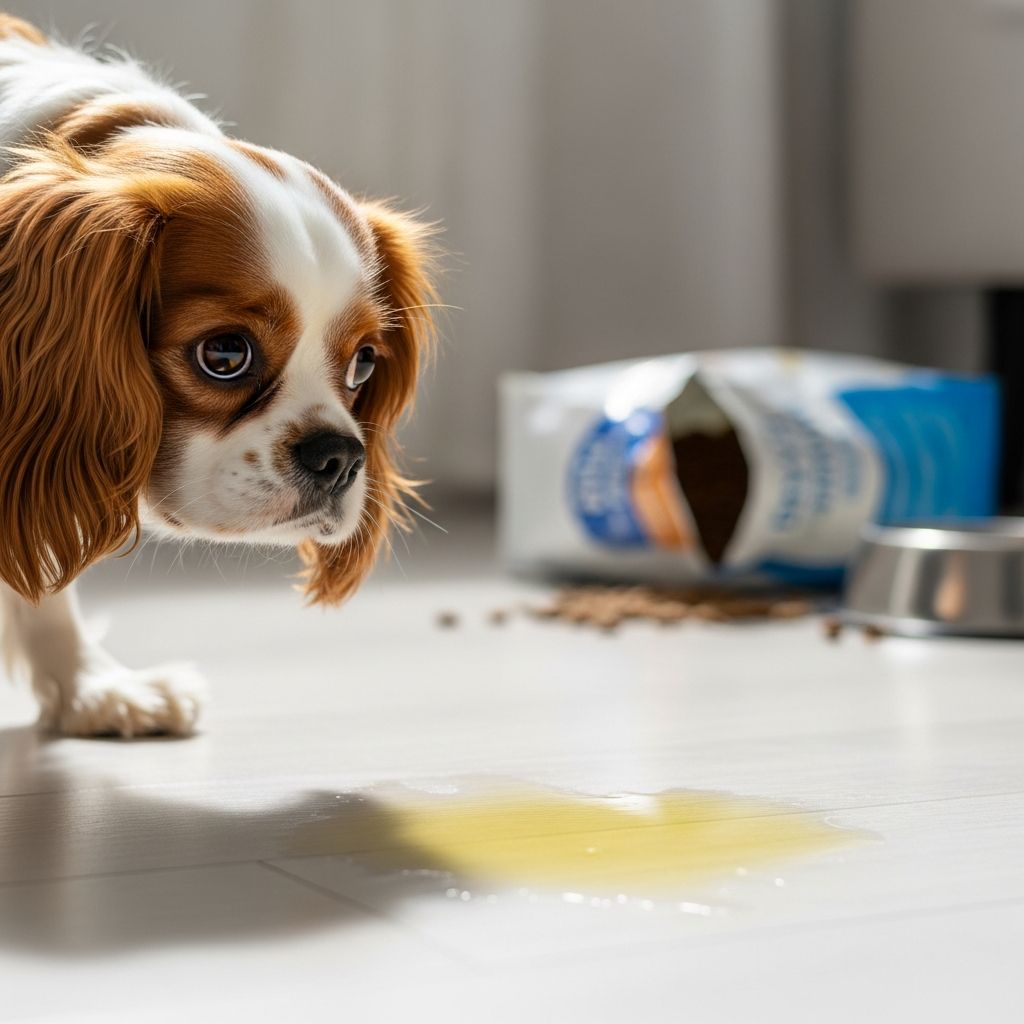
Urination challenges in dogs and cats often signal underlying health issues within the urinary system, which includes the kidneys, ureters, bladder, and urethra. These problems can range from mild discomfort to life-threatening emergencies, affecting pets of all ages but becoming more prevalent in middle-aged and senior animals. Recognizing early signs is crucial for effective intervention.
Understanding the Urinary System Basics
The urinary system filters waste from the blood, regulates fluid balance, and maintains electrolyte levels. In dogs and cats, proper voiding—known as micturition—involves coordinated muscle contractions and nerve signals. Disruptions lead to issues like incomplete emptying, straining, or involuntary leakage. Common risk factors include obesity, stress, and breed predispositions, such as Persian cats for certain congenital defects.
Common Signs of Voiding Dysfunction
Pet owners should watch for behavioral changes in litter box or outdoor habits. Key indicators include:
- Frequent attempts to urinate with little output
- Straining or crying during voiding
- Blood in urine (hematuria)
- Incontinence or dribbling
- Lethargy, vomiting, or appetite loss in severe cases
These symptoms overlap across conditions, necessitating veterinary evaluation. For instance, male cats often show acute distress from blockages.
Major Causes of Urination Disorders
Urethral Blockages: A Critical Emergency
Urethral obstruction, particularly in male cats, tops the list of urgent issues. Narrow urethras in neutered males trap plugs of mucus, crystals, or stones, halting urine flow. Within 24-48 hours, toxins accumulate, causing kidney failure and heart arrhythmias. Dogs face similar risks from stones or tumors. Immediate catheterization under sedation relieves the blockage, followed by fluids and medications.
Infections and Inflammation
Bacterial cystitis arises when pathogens ascend the urethra, thriving in stagnant urine. Older cats over 10 years are prone due to diluted urine from diabetes or kidney disease. Dogs with stones or incontinence are also susceptible. Diagnosis involves urinalysis showing bacteria counts over 100,000 CFUs/mL in free-catch samples. Antibiotics target confirmed pathogens via culture.
Neurogenic Bladder Conditions
Nerve damage from spinal injuries, disc disease, or tumors disrupts bladder control, leading to overflow incontinence or retention. Affected pets strain without success or leak urine passively. Central nervous system disorders like intervertebral disc disease exacerbate this in breeds like Dachshunds.
Structural and Calculi Issues
Bladder stones (uroliths) irritate the mucosa, causing spasms and poor emptying. Struvite and calcium oxalate types predominate, influenced by diet and pH. Congenital anomalies, though rare in dogs, include ectopic ureters causing constant dripping.
Diagnostic Approaches
Veterinarians employ a stepwise process:
- History and Exam: Note breed, age, diet, and symptom onset.
- Lab Tests: Bloodwork reveals azotemia (elevated BUN/creatinine), while urinalysis checks specific gravity (>1.035 in cats indicates concentration ability) and sediment.
- Imaging: Radiographs detect stones; ultrasound assesses bladder wall thickness and obstructions.
- Culture: Quantifies bacteria; >10,000 CFUs/mL in catheterized samples confirms UTI.
For neurogenic cases, neurological exams and myelography pinpoint lesions.
| Condition | Key Diagnostic Finding | Source |
|---|---|---|
| Urethral Obstruction | No urine output, high potassium | |
| UTI | Bacteria >100k CFUs/mL | |
| Neurogenic Bladder | Overflow incontinence, nerve deficits | |
| Stones | Radiopaque on X-ray |
Treatment Strategies
Acute Management
Emergencies demand stabilization: IV fluids correct dehydration and electrolytes. Catheters flush obstructions; pain relief aids recovery. For infections, 4-6 weeks of targeted antibiotics prevent recurrence.
Chronic and Supportive Care
Dietary dissolution works for some stones—acidifying for struvite, alkalinizing for oxalate. Weight management and stress reduction curb FLUTD flares. Neurogenic bladders may need manual expression or medications like bethanechol to stimulate contractions.
Advanced Interventions
Perineal urethrostomy widens the feline urethra in recurrent cases. Dialysis is rare due to cost but saves lives in anuric pets.
Prevention Tips for Pet Owners
- Encourage water intake with fountains or wet food.
- Maintain ideal body weight to reduce FLUTD risk.
- Monitor seniors for subtle changes; annual bloodwork catches early CKD.
- Use prescription diets for stone-prone breeds.
- Address stressors like multi-cat dynamics promptly.
Prognosis and Long-Term Outlook
Early detection yields excellent outcomes. Obstructions treated within hours have >90% survival, but delays prove fatal. Chronic issues like neurogenic bladder require lifelong management but allow good quality of life. Regular monitoring prevents progression to renal failure.
Frequently Asked Questions (FAQs)
What should I do if my cat strains in the litter box?
Seek emergency care immediately—it could be a blockage, a top killer in male cats.
Can diet prevent urinary stones?
Yes, specialized formulas alter urine pH and minerals to dissolve or inhibit formation.
Is incontinence always a senior issue?
No, it can stem from infections, stones, or nerve problems at any age.
How do vets differentiate UTI from FLUTD?
Urine culture and imaging; infections show bacteria, while FLUTD often doesn’t in young cats.
What’s the role of stress in cat urination problems?
It triggers idiopathic cystitis, mimicking infection via inflammation.
Emerging Research and Future Directions
Ongoing studies explore microbiome influences on UTIs and novel drugs for neurogenic control. Stem cell therapy shows promise for renal regeneration in CKD-linked voiding issues. Pet owners benefit from telehealth for early flagging.
Word count: 1678 (excluding metadata and references).
References
- The Canine and Feline Urinary System — Linden Veterinary Clinic. Accessed 2026. https://lindenvet.co.za/the-canine-and-feline-urinary-system/
- Feline Lower Urinary Tract Disease (FLUTD) — American Veterinary Medical Association (AVMA). Accessed 2026. https://www.avma.org/resources-tools/pet-owners/petcare/feline-lower-urinary-tract-disease
- Renal Dysfunction in Dogs and Cats — Merck Veterinary Manual. Accessed 2026. https://www.merckvetmanual.com/urinary-system/noninfectious-diseases-of-the-urinary-system-in-small-animals/renal-dysfunction-in-dogs-and-cats
- Common Urinary Diseases Seen in Pets — Greencross Vets. Accessed 2026. https://www.greencrossvets.com.au/pet-health/pet_care_information-common-conditions-aspx/pet-health-urinary-disease-aspx/
- The Urinary System in Animals — MSD Veterinary Manual. Accessed 2026. https://www.msdvetmanual.com/urinary-system/urinary-system-introduction/the-urinary-system-in-animals
- Urinary Tract Infections — Cornell University College of Veterinary Medicine. Accessed 2026. https://www.vet.cornell.edu/departments-centers-and-institutes/riney-canine-health-center/canine-health-topics/urinary-tract-infections
- Urinary Tract Diseases — East Meadow Veterinary Center. Accessed 2026. https://www.eastmeadowvetclinic.com/pet-care/urinary-tract-diseases/
- Neurogenic Bladder in Dogs, Cats and Humans — National Center for Biotechnology Information (PMC). 2022-12-20. https://pmc.ncbi.nlm.nih.gov/articles/PMC9739254/
Similar Articles








Read full bio of Sneha Tete


