

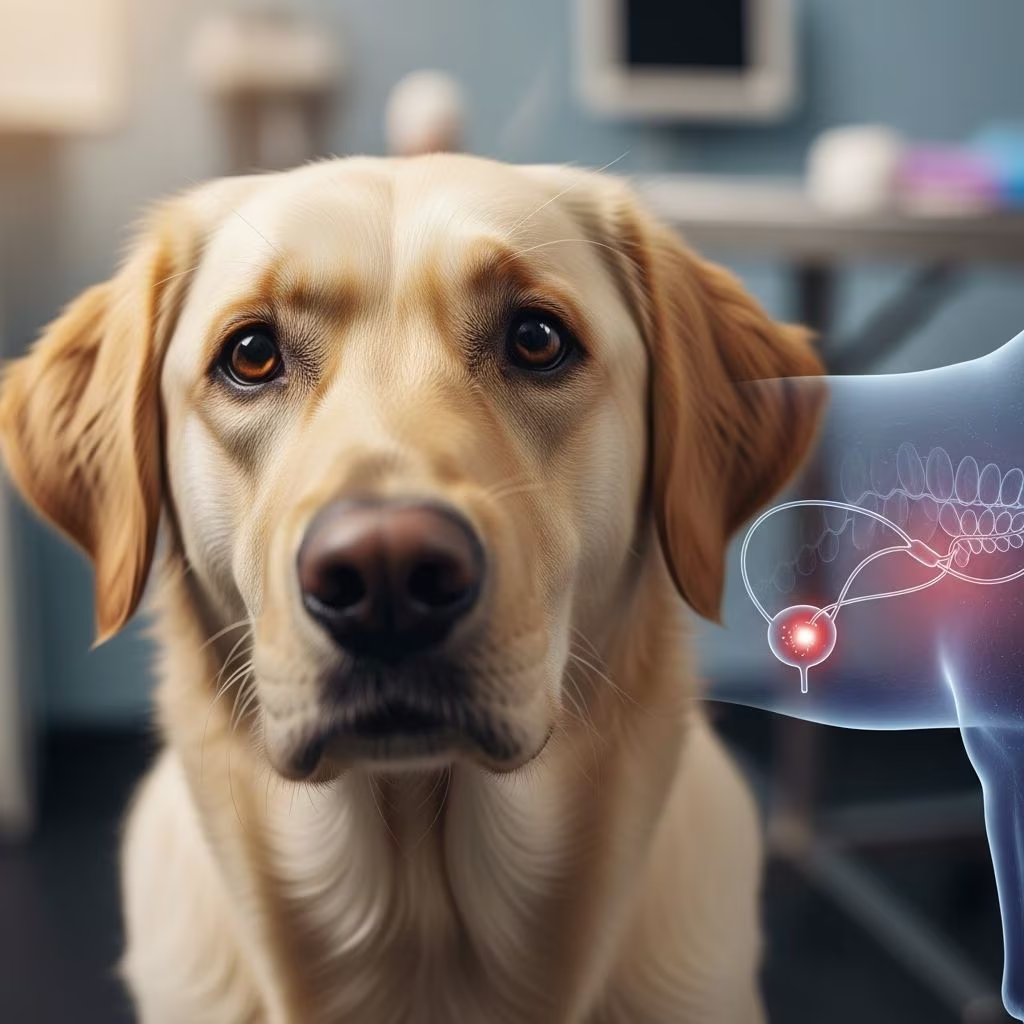
Understanding Urinary Tract Infections in Dogs
Urinary tract infections (UTIs) are among the most common medical conditions affecting dogs, impacting approximately 14% of the canine population at some point in their lives. A UTI occurs when bacteria, typically found on the skin or rectum, travel up the urethra and establish themselves in the bladder, causing infection and inflammation. While UTIs can affect dogs of any age or breed, certain factors and anatomical features can increase a dog’s susceptibility to developing this uncomfortable condition. Understanding the signs, causes, and treatment options is essential for any dog owner seeking to maintain their pet’s urinary health.
Clinical Signs and Symptoms of UTIs in Dogs
Recognizing the early symptoms of a UTI is crucial for timely intervention and treatment. Dogs with urinary tract infections often display a range of clinical signs that indicate discomfort and urinary system dysfunction. The severity and specific symptoms may vary depending on the location and extent of the infection.
The most common symptoms of a UTI in dogs include:
- Straining to urinate or stranguria
- Frequent urination in small amounts
- Painful urination or dysuria
- Accidents in the house or loss of housetraining
- Foul-smelling or strong-odored urine
- Blood in the urine or hematuria
- Cloudy or dark urine
- Excessively licking the genitals
- Dribbling of urine
- Whimpering or crying while urinating
In more severe cases, additional symptoms may manifest, including lethargy, loss of appetite, fever, increased thirst, and in extreme situations, vomiting or diarrhea. Some dogs with minor infections may not display any noticeable clinical signs, making regular veterinary check-ups particularly important for early detection.
Causes of Urinary Tract Infections
Understanding what causes UTIs in dogs is essential for prevention and management. While bacterial infections are the primary culprit, various underlying factors can predispose dogs to developing UTIs.
Bacterial Causes
The most common bacterial cause of UTIs in dogs is E. coli, a bacterium typically found in the digestive tract and rectum area. However, other bacteria including Staphylococcus and Streptococcus species can also cause infections. These bacteria travel up the urethra and multiply in the bladder, causing inflammation and infection. In some cases, anatomical defects such as excess skin around a female dog’s vulva may trap urine in skin folds, creating an environment where bacteria can thrive and potentially ascend into the bladder.
Risk Factors and Predisposing Conditions
Certain underlying medical conditions and anatomical features can make dogs more susceptible to developing UTIs. These include:
- Bladder stones or uroliths
- Urinary or fecal incontinence
- Diabetes mellitus
- Cushing’s disease
- Intervertebral disc disease
- Anatomic abnormalities such as hooded vulva or ectopic ureters
- Immunosuppressive medications
- Kidney disease
- Cancer
Additionally, dogs with weakened immune systems due to illness or poor nutrition are more susceptible to bacterial reproduction and infection. Female dogs are at higher risk for UTIs than males, as their urethras are shorter and positioned closer to the anus, providing bacteria with a more direct route to the bladder. Certain dogs with redundant or excess vulvar tissue face elevated risk due to trapped bacteria near the urethra.
Who Is at Risk for UTIs?
While any dog can develop a urinary tract infection, certain populations face higher risk. Senior dogs and those with diabetes mellitus experience UTIs more frequently than younger, healthy counterparts. Dogs under the age of three may also be at increased risk. Male dogs exhibiting signs of a UTI are more likely to be suffering from another concurrent condition, such as chronic kidney disease, neurologic disease, or hormonal imbalances. Understanding your individual dog’s risk factors allows for proactive health monitoring and preventive measures.
Diagnosis of Canine UTIs
Proper diagnosis of a UTI requires veterinary examination and laboratory testing. When you suspect your dog has a UTI, your veterinarian will perform a thorough physical examination and collect a urine sample for analysis. Urinalysis is the primary diagnostic tool, allowing veterinarians to identify the presence of bacteria, white blood cells, red blood cells, and other abnormalities indicative of infection. In some cases, a urine culture may be performed to identify the specific bacterial species and determine appropriate antibiotic sensitivity, ensuring the most effective treatment protocol.
Treatment Options for Urinary Tract Infections
Treatment for UTIs in dogs typically involves antibiotic therapy prescribed based on the urinalysis and culture results. The specific antibiotic chosen depends on the bacterial species identified and its sensitivity profile. Most uncomplicated UTIs respond well to appropriate antibiotic treatment, with symptoms often improving within the first few days of therapy. However, it is crucial to complete the entire course of antibiotics as prescribed, even if symptoms resolve, to prevent relapse and the development of antibiotic-resistant bacteria.
The duration of antibiotic therapy typically ranges from 7 to 14 days for simple infections, though more complicated cases may require extended treatment. Your veterinarian may recommend a follow-up urinalysis after treatment completion to confirm that the infection has been eliminated. In cases where underlying conditions contributed to the UTI, addressing these conditions is essential to prevent recurrent infections.
Complications of Untreated UTIs
Failing to treat a urinary tract infection can lead to serious complications. If a bladder infection goes untreated, the bacteria may travel up the ureters and establish in the kidneys, causing a more severe kidney infection, also known as pyelonephritis. Kidney infections are more difficult to treat and can result in permanent kidney damage if not promptly addressed. In severe, untreated cases, sepsis or systemic infection can develop, which can be life-threatening. Additionally, chronic or recurrent UTIs may lead to bladder scarring and dysfunction.
Prevention Strategies
While not all UTIs can be prevented, several strategies can help reduce your dog’s risk of developing an infection. Ensuring adequate hydration encourages frequent urination, which helps flush bacteria from the urinary tract naturally. Providing regular bathroom breaks, particularly for senior dogs and those with predisposing conditions, allows for complete bladder emptying. Maintaining proper genital hygiene, especially for dogs with anatomical predispositions, can help minimize bacterial colonization. Additionally, addressing any underlying health conditions such as diabetes or bladder stones through appropriate medical management can significantly reduce UTI recurrence. Some dogs benefit from dietary modifications or supplements, though these should always be discussed with your veterinarian.
When to Seek Veterinary Care
If you notice your dog exhibiting signs of a urinary tract infection, prompt veterinary attention is warranted. Any unexplained changes in urination patterns, straining during urination, accidents in the house, bloody urine, or foul-smelling urine warrant a veterinary evaluation. Dogs that whimper or cry while urinating are clearly in discomfort and require immediate attention. Additionally, if your dog has been diagnosed with a UTI and symptoms persist or worsen despite antibiotic treatment, contact your veterinarian promptly, as this may indicate a more complicated infection or underlying condition requiring different therapy.
Frequently Asked Questions About Canine UTIs
Q: Can male dogs get UTIs?
A: Yes, male dogs can develop UTIs, though they are less common than in females. When male dogs show signs of a UTI, they are often suffering from another underlying condition such as kidney disease, neurologic disease, or prostate problems. Male dogs with UTI symptoms should receive thorough evaluation to identify any concurrent health issues.
Q: Are UTIs contagious between dogs?
A: No, UTIs are not contagious between dogs. They develop when bacteria from a dog’s own skin, rectum, or gastrointestinal tract travel up the urethra into the bladder.
Q: How long does it take to treat a UTI?
A: Most uncomplicated UTIs respond to antibiotic treatment within 7 to 14 days. However, symptoms often improve within the first few days of appropriate therapy. It is important to complete the full course of antibiotics as prescribed to ensure complete elimination of the infection.
Q: Can a UTI cause kidney damage?
A: If left untreated, bacteria from a bladder infection can travel to the kidneys, causing pyelonephritis or kidney infection. Untreated kidney infections can result in permanent kidney damage, making prompt treatment of UTIs essential.
Q: Are certain dog breeds more prone to UTIs?
A: Any dog breed can develop a UTI. However, individual dog anatomy, particularly in females with excess vulvar tissue, can increase susceptibility regardless of breed.
Q: Can probiotics prevent UTIs in dogs?
A: While probiotics are being studied for potential benefits in urinary tract health, evidence is still limited. Always consult with your veterinarian before starting any supplement regimen for your dog.
Summary
Urinary tract infections are common but treatable conditions in dogs. Recognizing the clinical signs—including straining to urinate, frequent urination, accidents in the house, and foul-smelling urine—is critical for early detection and intervention. Most UTIs are caused by bacterial infections that respond well to appropriate antibiotic therapy. However, certain dogs face higher risk due to age, gender, underlying health conditions, or anatomical features. By understanding risk factors, maintaining good urinary health practices, and seeking prompt veterinary care when symptoms appear, dog owners can effectively manage and prevent many UTIs, ensuring their pets remain healthy and comfortable.
References
- Urinary Tract Infections — Cornell University College of Veterinary Medicine, Riney Canine Health Center. Accessed 2025. https://www.vet.cornell.edu/departments-centers-and-institutes/riney-canine-health-center/canine-health-topics/urinary-tract-infections
- Urinary Tract Infection (UTI) in Dogs — Neighborhood Veterinary Clinic. Accessed 2025. https://www.neighborhoodvetclinic.com/urinary-tract-infection-uti-in-dogs/
- Urinary Tract Infections in Dogs: Dog UTI Symptoms, Signs, Treatment — American Kennel Club. Accessed 2025. https://www.akc.org/expert-advice/health/urinary-tract-infections-uti-in-dogs/
- A Pet Owner’s Guide to Urinary Tract Infections in Dogs — Vetster. Accessed 2025. https://vetster.com/en/wellness/a-pet-owner-s-guide-to-urinary-tract-infections-in-dogs
- UTI in Dogs: Signs, Causes, and When To Call Your Vet — PetMD. Accessed 2025. https://www.petmd.com/dog/conditions/urinary/uti-dogs-signs-causes-and-when-call-your-vet
- Lower Urinary Tract Problems and Infections in Dogs — WebMD Pets. Accessed 2025. https://www.webmd.com/pets/dogs/lower-urinary-tract-problems-infections-dogs
- 5 Signs of a Urinary Tract Infection in Dogs — Animal Care Center. Accessed 2025. https://www.animalcarectr.com/blog/5-signs-of-a-urinary-tract-infection-in-dogs



