Urinary Tract Infections In Cats: Symptoms & Treatment
Complete guide to understanding, treating, and preventing UTIs in cats.
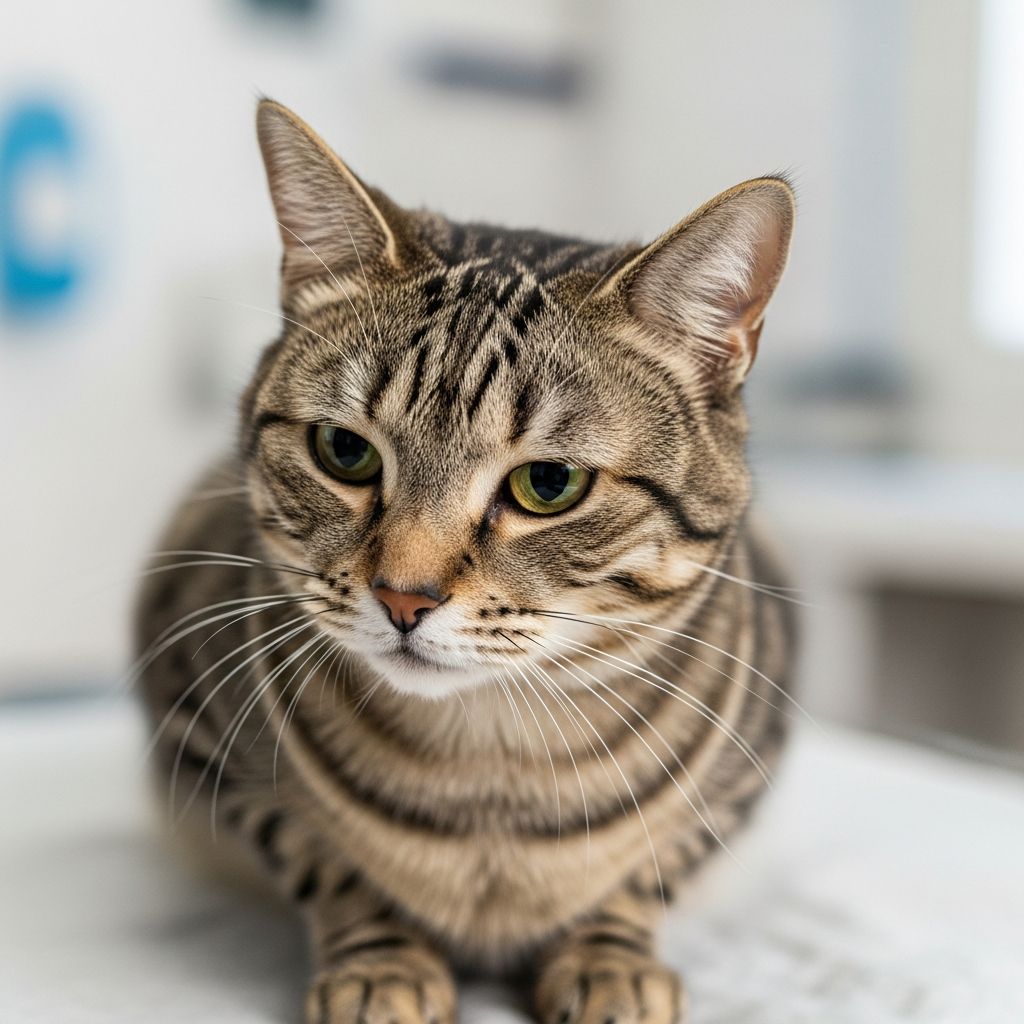
Understanding Urinary Tract Infections in Cats
Urinary tract infections (UTIs) are a common health concern affecting cats of all ages and breeds. These infections occur when bacteria invade the urinary system, typically affecting the bladder and urethra. UTIs can cause significant discomfort and, if left untreated, may lead to serious complications including kidney infections and urinary obstructions. Understanding the signs, causes, and treatment options for feline UTIs is essential for any cat owner committed to maintaining their pet’s health and well-being.
While UTIs are treatable conditions, they require prompt veterinary attention to prevent complications and ensure your cat’s swift recovery. The good news is that with proper diagnosis and treatment, most cats recover fully within a few weeks.
What Causes Urinary Tract Infections in Cats?
UTIs in cats are typically caused by bacterial infections that ascend from the lower urinary tract into the bladder. The most common culprits are bacteria such as E. coli and other pathogens that naturally exist in the environment. Several factors can increase your cat’s susceptibility to developing a UTI:
- Dehydration and concentrated urine
- Bladder stones or other urinary obstructions
- Weakened immune system
- Anatomical abnormalities of the urinary tract
- Chronic stress or behavioral issues
- Advanced age or underlying kidney disease
- Female cats are more prone to UTIs than males due to their shorter urethra
It’s important to note that UTIs can sometimes be confused with feline lower urinary tract disease (FLUTD), which encompasses a broader range of urinary conditions. While some symptoms overlap, the underlying causes and treatment approaches may differ.
Recognizing the Symptoms of Cat UTIs
Identifying the early signs of a urinary tract infection is crucial for prompt treatment. Cat owners should monitor their pets for the following symptoms:
- Straining to urinate or difficulty passing urine
- Reduced amounts of urine or inability to urinate
- Pain or discomfort when urinating
- Passing urine tinged with blood (pink or reddish-colored urine)
- Urinating outside the litter box or in inappropriate locations
- Increased frequency of urination
- Avoidance or fear of the litter box
- Strong ammonia odor in the urine
- Cloudy or discolored urine
Additional symptoms may include excessive licking of the genital area, lethargy or decreased activity, increased thirst and water consumption, vomiting, hard or distended abdomen, and vocalization such as howling or crying while urinating.
If your cat displays any combination of these symptoms, contact your veterinarian immediately. Some conditions, such as urinary obstruction, constitute a medical emergency that can rapidly progress to kidney failure or bladder rupture if not treated promptly.
Diagnosis of Feline Urinary Tract Infections
Proper diagnosis is essential for determining whether your cat has a UTI or another urinary condition. Your veterinarian will conduct a thorough physical examination and may recommend the following diagnostic tests:
- Urinalysis: This fundamental test examines urine samples for signs of infection, including the presence of white blood cells, red blood cells, bacteria, and crystals.
- Urine Culture and Sensitivity: This test identifies the specific bacteria causing the infection and determines which antibiotics will be most effective.
- Ultrasound or X-rays: These imaging studies can reveal bladder stones, anatomical abnormalities, or other structural issues contributing to UTIs.
- Blood Work: Additional tests may be performed to assess kidney function and overall health status, particularly in older cats or those with recurrent infections.
Your veterinarian may begin treatment with a broad-spectrum antibiotic while awaiting culture results. Once sensitivity results are available, the antibiotic may be adjusted to target the specific bacterial strain more effectively.
Treatment Options for Cat UTIs
The treatment approach for feline UTIs depends on the underlying cause and severity of the infection. Most cases can be managed on an outpatient basis with appropriate veterinary care.
Antibiotic Therapy
Antibiotics are the primary treatment for bacterial UTIs in cats. Your veterinarian will typically prescribe a first-line antibiotic effective against common urinary bacteria. Acute infections usually require a shorter course of antibiotics, while chronic or recurrent UTIs may necessitate longer treatment periods. It is crucial to complete the entire prescribed course of antibiotics, even if your cat appears to recover quickly, as premature discontinuation can lead to treatment failure and recurrent infections.
Supportive Care
Beyond antibiotics, several supportive measures can enhance recovery:
- Increased Hydration: Encouraging your cat to drink more water helps dilute urine and flush the urinary system. Provide multiple water bowls throughout the house or consider a cat water fountain to stimulate drinking.
- Pain Management: If your cat is experiencing significant discomfort, your veterinarian may prescribe anti-inflammatory pain medications to alleviate symptoms while treatment takes effect.
- Subcutaneous Fluids: For dehydrated cats or those with severe infections, subcutaneous fluid therapy may be recommended to restore proper hydration.
- Dietary Modifications: Switching to an all-canned diet or adding moisture to dry food can increase overall fluid intake and reduce urine concentration, both beneficial for urinary health.
Addressing Underlying Issues
If the UTI is secondary to other conditions, these must also be addressed:
- Bladder Stones: Stones may need to be expelled naturally or surgically removed depending on their size and composition.
- Urinary Acidifiers: These medications may be prescribed to adjust urine pH and prevent stone formation.
- Urethral Obstruction: Male cats with urethral blockages may require a urinary catheter or surgical intervention to restore normal urine flow.
- Surgical Intervention: In emergency situations or when conservative treatment fails, surgery may be necessary.
Recovery and Follow-Up Care
With prompt and appropriate treatment, most cats recover fully from UTIs. The typical recovery timeline is as follows:
- Initial symptom improvement within 1-3 days of starting antibiotics
- Complete resolution of clinical signs within 5-7 days
- Full recovery within 2-3 weeks when treatment is initiated early and properly managed
After completing the antibiotic course, your veterinarian will likely recommend a follow-up urinalysis to confirm that the infection has been completely eliminated. If the infection persists or recurs, additional investigation is warranted to identify underlying factors contributing to the UTI, such as anatomical abnormalities, chronic kidney disease, or immune system compromise.
It is essential to administer all prescribed medications exactly as directed, even if your cat appears to feel better. Stopping antibiotics prematurely can result in treatment failure and antibiotic-resistant bacterial strains.
Preventing Urinary Tract Infections
While not all UTIs can be prevented, several strategies can reduce your cat’s risk:
- Promote Hydration: Ensure your cat has constant access to fresh, clean water. Consider using a water fountain or adding water to wet food.
- Optimize Litter Box Hygiene: Maintain clean litter boxes and provide one box per cat plus one additional box. Clean boxes daily to reduce bacterial colonization.
- Dietary Considerations: Feed a high-quality diet that supports urinary health. Canned food generally provides more moisture than dry kibble.
- Stress Reduction: Minimize environmental stressors, as stress can compromise immune function and increase susceptibility to infections.
- Regular Veterinary Check-ups: Schedule annual wellness exams to identify and address potential urinary issues early.
- Monitor Urinary Habits: Pay attention to changes in your cat’s urination patterns and seek veterinary advice if abnormalities develop.
When to Seek Emergency Care
Certain symptoms indicate a medical emergency requiring immediate veterinary attention:
- Complete inability to urinate
- Severe pain or vocalization during attempts to urinate
- Lethargy or collapse
- Repeated vomiting
- Abdominal distension or rigidity
- Signs of systemic illness such as fever or extreme weakness
These symptoms may indicate urinary obstruction, sepsis, or acute kidney failure—all potentially life-threatening conditions requiring emergency treatment.
Complications of Untreated UTIs
If a UTI is left untreated, serious complications can develop.
- Pyelonephritis: The infection may ascend to the kidneys, causing kidney infection and potentially permanent renal damage.
- Bladder Stones: Chronic urinary tract disease can lead to formation of bladder calculi.
- Urinary Obstruction: Accumulated debris or stones can block the urethra, preventing urine elimination.
- Sepsis: Severe infections can enter the bloodstream, causing systemic infection.
- Chronic Kidney Disease: Repeated infections may contribute to progressive kidney deterioration.
Frequently Asked Questions About Cat UTIs
Q: How long does it take for antibiotics to work on a cat UTI?
A: Most cats show improvement in clinical signs within 1-3 days of starting antibiotic therapy. Complete resolution typically occurs within 5-7 days, though the full antibiotic course should be completed as prescribed.
Q: Can cats get UTIs repeatedly?
A: Yes, some cats are prone to recurrent UTIs. If your cat experiences frequent infections, your veterinarian will investigate underlying causes such as bladder stones, anatomical abnormalities, or immune issues that may require long-term management.
Q: Is a cat UTI contagious to other cats?
A: No, UTIs are not contagious between cats. They result from bacterial overgrowth within an individual cat’s urinary system, not from infectious agents spread between animals.
Q: What is the difference between a UTI and FLUTD?
A: While UTI refers specifically to bacterial infection of the urinary tract, FLUTD (feline lower urinary tract disease) is a broader term encompassing various urinary conditions including UTIs, bladder stones, and idiopathic cystitis. Some cases of FLUTD do not involve bacterial infection.
Q: Can I treat my cat’s UTI at home?
A: UTIs require veterinary diagnosis and antibiotic treatment prescribed by your veterinarian. While supportive care such as increased hydration can complement medical treatment, antibiotics are necessary to eliminate the bacterial infection.
Q: Are male or female cats more prone to UTIs?
A: Female cats have a higher incidence of UTIs due to their shorter urethra, which makes it easier for bacteria to ascend into the bladder. However, male cats can develop UTIs and often experience more severe complications such as urethral obstruction.
Conclusion
Urinary tract infections in cats are serious conditions that demand prompt veterinary attention and appropriate treatment. By recognizing the early warning signs—such as straining to urinate, blood in the urine, and inappropriate elimination—cat owners can seek care before complications develop. With antibiotics, supportive care, and lifestyle modifications, most cats recover completely within a few weeks. Preventive measures such as maintaining adequate hydration, ensuring litter box hygiene, and regular veterinary check-ups can help reduce the risk of UTI recurrence. If your cat shows any signs of urinary tract disease, contact your veterinarian immediately to ensure optimal outcomes and protect your feline companion’s long-term health.
References
- Cat Urinary Tract Infection – Symptoms, Treatment & Recovery — AnergE Veterinary Services. 2021-05-30. https://www.animergevets.com/site/blog/2021/05/30/cat-urinary-tract-infection
- How to Care for a Cat With a Urinary Tract Infection or Disease — Bear Creek Veterinary Clinic. 2023-11-30. https://www.bearcreekvetonline.com/site/blog/2023/11/30/how-care-cat-urinary-tract-infection-disease
- Cat Urinary Infection & Treatment — Flat Rock Emergency Veterinary Clinic. 2021-04-29. https://www.wcrah.com/site/blog-flat-rock-vet/2021/04/29/cat-urinary-infection-treatment
- UTIs in Cats (Urinary Tract Infections in Cats) — PetMD. 2024. https://www.petmd.com/cat/conditions/urinary/utis-cats-urinary-tract-infections-cats
- Urinary Tract Infection (UTI) in Cats — Small Door Veterinary. 2024. https://www.smalldoorvet.com/learning-center/medical/uti-in-cats
- Urinary Tract Infections (UTIs) in Cats — VCA Animal Hospitals. https://vcahospitals.com/know-your-pet/urinary-tract-infections-utis-in-cats
- Emergency Cat UTI Treatment | Urgent Signs & Next Steps — Golden State Veterinary Specialists. https://gsvs.org/blog/cat-uti-emergency-treatment/
Similar Articles






Read full bio of medha deb