Urinary Tract Infections (UTIs) in Cats
Comprehensive guide to understanding, treating, and preventing UTIs in cats.
Understanding Urinary Tract Infections in Cats
Urinary tract infections (UTIs) are a common health concern affecting cats of all ages and breeds. These infections occur when bacteria invade the urinary system, causing inflammation and discomfort. While UTIs are treatable conditions, understanding their symptoms, causes, and treatment options is essential for cat owners who want to maintain their pet’s health and well-being.
Cats experiencing urinary tract infections may display a range of symptoms that warrant immediate veterinary attention. Recognizing these signs early can prevent complications and ensure prompt treatment. The urinary system includes the kidneys, ureters, bladder, and urethra, and infections can affect any of these structures, though lower urinary tract infections are most common in cats.
Symptoms of Urinary Tract Infections in Cats
Cat owners should be vigilant about changes in their pet’s urination habits and behavior. Several telltale signs indicate a potential UTI that requires veterinary evaluation.
Common Clinical Signs
The most frequent symptoms of urinary tract infections in cats include the following indicators:
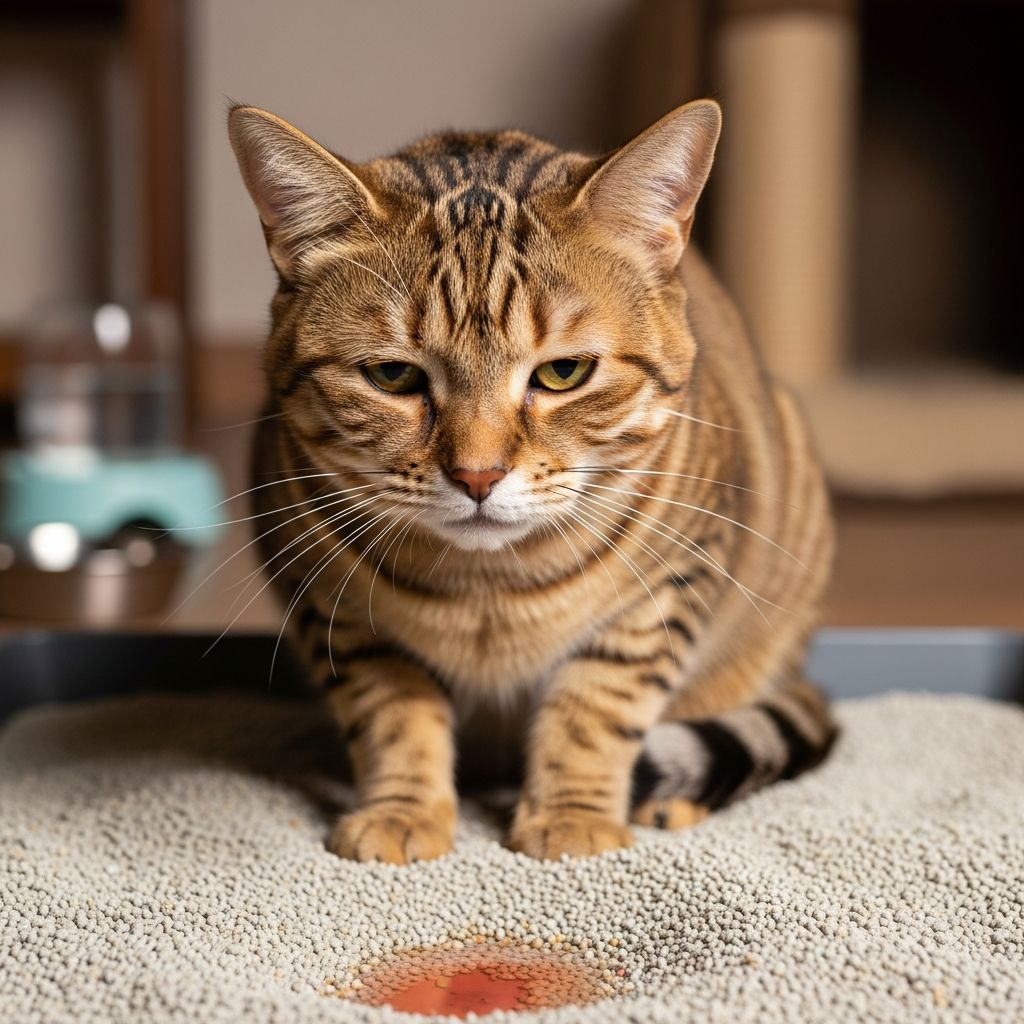
- Straining to urinate: Your cat may spend extended periods in the litter box with minimal urine production
- Reduced amounts of urine: Noticeably smaller puddles or droppings in the litter box
- Pain or discomfort when urinating: Vocalization, restlessness, or reluctance during urination
- Hematuria: Blood or a pinkish tinge in the urine
- Inappropriate urination: Urinating outside the litter box, including on beds, floors, or furniture
- Inability to urinate: Complete lack of urination, which constitutes a medical emergency
Additional Warning Signs
Beyond the primary symptoms, cats with urinary issues may exhibit other behavioral and physical changes that deserve attention:
- Loss of bladder control or accidental urination
- Avoidance or fear of the litter box
- Strong ammonia odor in the urine
- Cloudy or discolored urine
- Hard or distended abdomen
- Increased thirst and water consumption
- Excessive licking of the genital area
- Lethargy and decreased activity levels
- Vomiting or loss of appetite
- Howling or crying while attempting to urinate
Causes and Risk Factors
Understanding what causes UTIs in cats helps pet owners take preventive measures. While bacteria are the primary culprits in most UTI cases, several factors can increase susceptibility to infection. Feline lower urinary tract disease (FLUTD) encompasses multiple conditions affecting the bladder and urethra, of which bacterial infections are just one component.
Risk factors for developing UTIs include age, with senior cats being more vulnerable, previous UTI history, diabetes, obesity, and urinary blockages. Indoor cats may face higher risks due to infrequent litter box use and reduced water consumption. Additionally, certain anatomical abnormalities and weakened immune systems can predispose cats to urinary tract infections.
Diagnosis of Cat UTIs
Proper diagnosis requires professional veterinary evaluation. Your veterinarian will perform a comprehensive examination and may recommend several diagnostic tests to confirm a UTI and identify the causative organism.
Diagnostic Procedures
Urinalysis: This fundamental test examines urine under a microscope to detect bacteria, white blood cells, red blood cells, and crystals. The urinalysis reveals infection indicators and provides valuable information about the urinary system’s health.
Urine Culture and Sensitivity: When infection is suspected, a urine sample is cultured to identify the specific bacteria responsible and determine which antibiotics will be most effective against the strain. This test is crucial for targeted treatment.
Physical Examination: Your veterinarian will palpate the abdomen to assess bladder size and check for pain or abnormalities. They will also evaluate overall health status and other potential contributing factors.
Additional Imaging: In cases of recurrent infections or suspected complications, ultrasound or radiographs may be recommended to visualize the urinary organs and identify stones or structural abnormalities.
Treatment Options for Feline UTIs
Treatment approaches vary depending on the infection’s severity, the underlying cause, and your individual cat’s health status. A veterinarian will develop a customized treatment plan addressing your cat’s specific needs.
Antibiotic Therapy
Antibiotics form the cornerstone of UTI treatment in cats. Most veterinarians initially prescribe a broad-spectrum antibiotic effective against common urinary tract bacteria to provide immediate relief. Once culture and sensitivity results are available, your veterinarian may adjust the antibiotic to a more targeted option if appropriate. Acute infections typically require a shorter antibiotic course, while chronic or recurrent UTIs may need extended treatment. It is critical to complete the full course of prescribed antibiotics, even if symptoms resolve quickly, to prevent treatment failure and antibiotic resistance.
Pain Management
If your cat is experiencing significant discomfort, your veterinarian may prescribe anti-inflammatory pain medications to relieve symptoms while antibiotics work against the infection. These medications improve comfort levels and encourage normal urination patterns during recovery.
Fluid Therapy
Increasing fluid intake helps flush bacteria from the urinary system and prevents future infections. Veterinarians recommend offering multiple water bowls throughout the home or investing in a cat water fountain, as many cats prefer running water. Some cats respond well to wet food or bone broth additions to their diet. Subcutaneous fluid injections may be administered if a cat is severely dehydrated or experiencing complications.
Dietary Modifications
Diet plays an important role in urinary health management. Many veterinarians recommend transitioning to an all-canned or wet diet, as dry food often produces more concentrated urine, which can contribute to urinary problems. Special prescription diets formulated for urinary health may be recommended, particularly for cats with recurrent infections or underlying FLUTD conditions. These diets often contain adjusted mineral levels and pH modifications to support bladder health.
Additional Treatment Approaches
Depending on the underlying cause, your veterinarian may recommend urinary acidifiers to modify urine pH and prevent crystal formation. In cases where bladder stones are present, additional treatment to expel or surgically remove stones may be necessary. Male cats with urethral obstructions may require emergency catheterization or surgery to restore normal urine flow. Hospitalization is typically reserved for severe cases, debilitated cats, or when infection has spread to the kidneys.
Recovery and Prognosis
When diagnosed and treated promptly, the prognosis for uncomplicated cat UTIs is excellent. Most cats make a full recovery within one to two weeks of starting appropriate antibiotic therapy. If you notice improvement within a few days of beginning treatment, continue administering the full antibiotic course as prescribed. Premature discontinuation can lead to infection recurrence and antibiotic resistance.
After completing the antibiotic course, your veterinarian will recommend a follow-up urinalysis to confirm that the infection has completely resolved. This recheck is essential, as persistent infections may indicate underlying issues requiring additional investigation or alternative treatment approaches.
Potential Complications
If left untreated, UTIs can progress to serious complications. Untreated infections may ascend to the kidneys, causing pyelonephritis—a kidney infection that produces more severe illness and potential long-term damage. Chronic urinary obstruction can lead to kidney failure or bladder rupture, both life-threatening conditions. This is why immediate veterinary attention for urinary symptoms is paramount.
Prevention Strategies
While not all UTIs are preventable, several measures can reduce your cat’s risk of developing urinary tract infections.
- Maintain optimal hydration: Encourage regular water consumption by providing multiple bowls, using fountains, or adding water-rich foods to their diet
- Support bladder health: Feed a high-quality diet, preferably incorporating wet food, which increases fluid intake naturally
- Ensure litter box hygiene: Provide multiple clean litter boxes and scoop them daily to encourage regular urination
- Monitor weight: Maintain your cat’s ideal body weight through appropriate diet and exercise to reduce UTI risk
- Manage underlying conditions: Work with your veterinarian to control diabetes, kidney disease, or other predisposing conditions
- Regular veterinary checkups: Annual or biannual exams allow early detection of urinary issues
- Address recurrent infections: If your cat experiences frequent UTIs, collaborate with your vet to identify and address underlying causes
When to Seek Emergency Care
Certain UTI symptoms indicate a medical emergency requiring immediate veterinary attention. Complete inability to urinate, extreme pain, severe lethargy, or vomiting warrant emergency clinic visits. Urethral blockage, more common in male cats, prevents urine elimination and can quickly lead to life-threatening complications. If you suspect your cat cannot urinate or exhibits severe symptoms, contact an emergency veterinary clinic immediately.
Frequently Asked Questions About Cat UTIs
Q: How long does it take for antibiotics to work on a cat’s UTI?
A: Many cats show improvement within 2-3 days of starting antibiotics, with most experiencing symptom relief within a week. However, the full course of antibiotics must be completed as prescribed to ensure complete infection resolution.
Q: Can a cat UTI go away on its own?
A: While rare, some mild UTIs might improve without treatment. However, untreated infections can progress to serious complications, including kidney infection and urinary obstruction. Professional veterinary treatment is strongly recommended.
Q: Are male cats more prone to UTIs than female cats?
A: While bacterial UTIs are more common in female cats, male cats face greater risk of life-threatening urethral obstruction. Both require prompt veterinary attention.
Q: How can I tell if my cat’s UTI is recurring?
A: Recurrent UTIs show the same symptoms: straining, reduced urination, blood in urine, or inappropriate elimination. If your cat experiences multiple infections within a year, work with your vet to investigate underlying causes.
Q: Can diet really prevent UTIs in cats?
A: Yes, diet plays a significant role in urinary health. Wet food increases hydration and urine dilution, reducing bacterial concentration. Prescription urinary health diets can further support prevention in susceptible cats.
Q: Is it safe to give my cat over-the-counter UTI treatments?
A: No, cats require prescription antibiotics prescribed by veterinarians after proper diagnosis. Over-the-counter remedies are not effective for bacterial UTIs and delay appropriate treatment.
References
- Urinary Tract Infections (UTIs) in Cats — VCA Animal Hospitals. Updated 2025. https://vcahospitals.com/know-your-pet/urinary-tract-infections-utis-in-cats
- UTIs in Cats (Urinary Tract Infections in Cats) — PetMD. Updated 2024. https://www.petmd.com/cat/conditions/urinary/utis-cats-urinary-tract-infections-cats
- Urinary Tract Infection (UTI) in Cats — Small Door Veterinary. Updated 2024. https://www.smalldoorvet.com/learning-center/medical/uti-in-cats
- Cat Urinary Tract Problems and Infections — WebMD Pets. Updated 2024. https://www.webmd.com/pets/cats/cat-urinary-tract-problems
- How to Care for a Cat With a Urinary Tract Infection or Disease — Bear Creek Veterinary Clinic. Updated 2023. https://www.bearcreekvetonline.com/site/blog/2023/11/30/how-care-cat-urinary-tract-infection-disease
Similar Articles








Read full bio of medha deb