

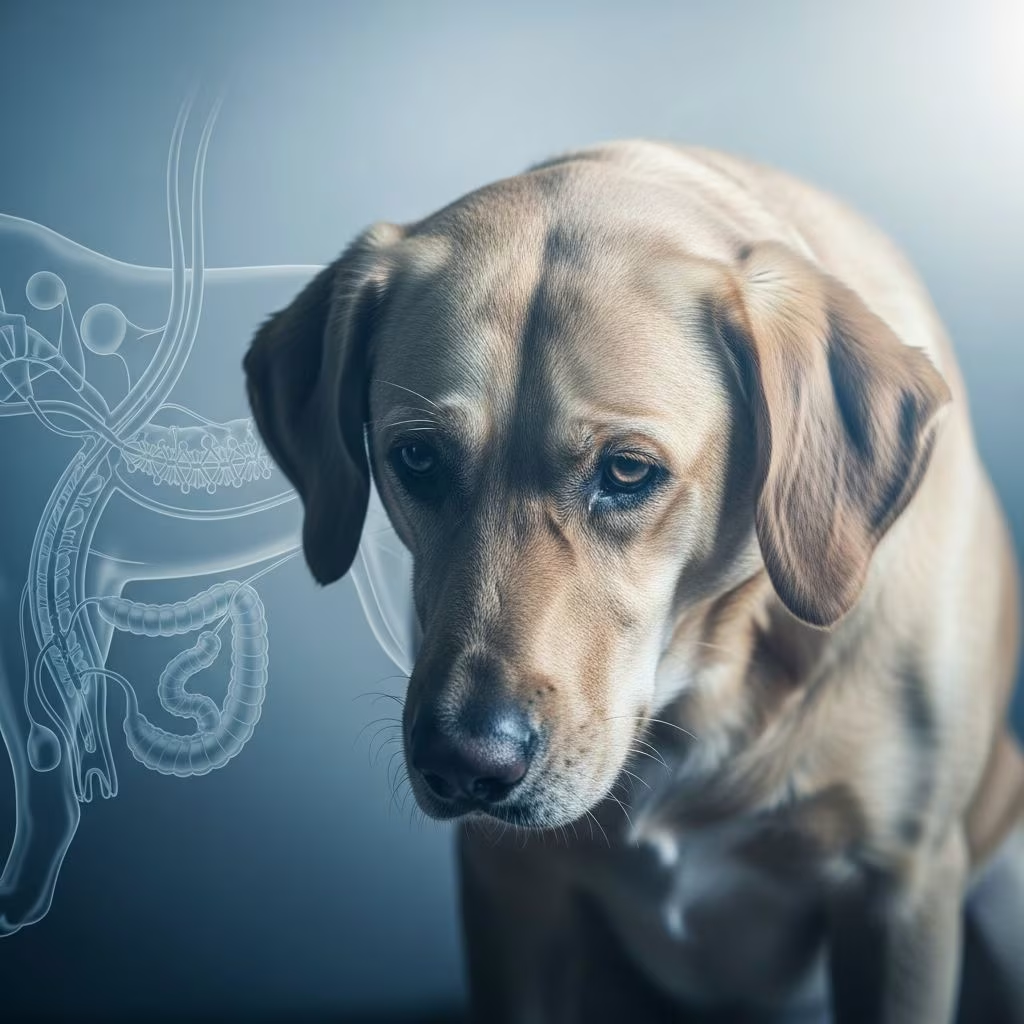
Understanding Urinary Tract Infections in Dogs
Urinary tract infections (UTIs) are a common health concern affecting dogs across all breeds and ages. A UTI in dogs occurs when bacteria invade the urinary system, causing inflammation and infection of the bladder and urethra. According to veterinary research, approximately 14% of dogs experience a UTI at some point in their lives. UTIs can range from mild, asymptomatic cases to severe infections requiring immediate veterinary intervention. Understanding the signs, causes, and treatment options is essential for every dog owner to ensure their pet receives prompt care and relief.
What Causes Urinary Tract Infections in Dogs?
The most common cause of UTIs in dogs is bacterial infection, with E. coli being the predominant culprit. This bacterium, which naturally exists in and around the rectum and skin, travels up the urethra into the bladder where it establishes and multiplies. In some cases, bacteria can also originate from the dog’s skin or gastrointestinal tract, ascending through the urinary tract system.
Anatomical factors play a significant role in UTI development. Female dogs are at higher risk than males due to their shorter urethras, which are positioned closer to the anus, making it easier for bacteria to travel upward into the bladder. Additionally, dogs with excess vulvar tissue or anatomical abnormalities such as hooded vulva or ectopic ureters are more susceptible to infections, as urine can become trapped in skin folds, creating an environment conducive to bacterial growth.
While bacterial infections are most common, viral and fungal causes of UTIs in dogs are less frequent but still possible. Less commonly, bacteria can spread through the bloodstream to cause infection in the urinary tract.
Risk Factors for Developing UTIs
Several underlying medical conditions and factors increase a dog’s susceptibility to urinary tract infections:
Medical Conditions
Dogs with certain health issues face increased risk of UTIs. These conditions include diabetes, Cushing’s disease, kidney disease, cancer, bladder stones, and intervertebral disc disease. Additionally, dogs with urinary or fecal incontinence are more prone to infections, as bacteria can more easily enter the urinary tract. Immunosuppressive medications and weakened immune systems due to illness or poor nutrition also increase the likelihood of bacterial reproduction and infection development.
Age and Gender
Certain age groups face higher risk. Senior dogs and diabetic dogs experience higher rates of bladder infections. Dogs under three years of age may also be at increased risk in some cases. As mentioned, female dogs are substantially more prone to UTIs than their male counterparts.
Breed and Anatomical Considerations
While any dog breed can develop a UTI, individual anatomy plays a critical role. Dogs with redundant or excess vulvar tissue and those with other anatomical abnormalities face elevated risk. Male dogs exhibiting UTI symptoms are more likely to be suffering from another underlying condition, though infections remain possible.
Recognizing the Symptoms of UTIs in Dogs
The symptoms of a urinary tract infection in dogs can vary depending on the severity and location of the infection. Some dogs with mild UTIs may show no clinical signs, while others display obvious behavioral and physical changes. Being able to recognize these symptoms is crucial for early detection and treatment.
Common Symptoms Include:
Urinary Changes: The most frequently observed symptom is frequent urination, often in small amounts. Dogs may strain to urinate and produce little to no urine despite repeated posturing. Some dogs experience dribbling of urine or an inability to hold their urine for normal periods.
Urine Abnormalities: Changes in urine appearance and smell are telltale signs. Bloody or cloudy urine is common, and the urine often has a noticeably foul odor. The quantity of urine may be reduced significantly.
Behavioral Signs: Infected dogs frequently lick their genital region excessively, and may show inflammation or swelling of the genital area with salivary staining (copper-colored fur from excessive licking). Some dogs whimper or show signs of pain while urinating.
Accidents and Incontinence: House-trained dogs may have accidents indoors, indicating they cannot control urination. This is particularly distressing for owners and a clear indicator that veterinary attention is needed.
Severe Symptoms
When UTIs are left untreated or become severe, additional symptoms may develop. These include lethargy and lack of energy, loss of appetite or changes in appetite, fever, excessive thirst and increased water consumption, vomiting or diarrhea, and in some cases, severe back pain. Weight loss may also occur with chronic infections.
Diagnosis of Urinary Tract Infections
If you suspect your dog has a UTI, veterinary diagnosis typically begins with a thorough physical examination and medical history review. Your veterinarian will ask about the symptoms you’ve observed, including changes in urination patterns and any recent behavioral changes.
The definitive diagnostic tool for confirming a UTI is urinalysis, which examines the urine for the presence of bacteria, white blood cells, and other indicators of infection. Urine culture may be performed to identify the specific bacteria causing the infection, which helps determine the most appropriate antibiotic treatment. In some cases, abdominal ultrasound or radiographs may be recommended to rule out complications such as bladder stones or other structural abnormalities.
Treatment Options for UTIs in Dogs
Once a UTI is confirmed, treatment typically involves a course of antibiotics prescribed by your veterinarian. The specific antibiotic chosen depends on the type of bacteria identified through urine culture and the results of sensitivity testing, which determines which antibiotics the bacteria are susceptible to. Most antibiotics require a full course lasting 7 to 14 days, and it is crucial to complete the entire prescription even if symptoms improve, to prevent recurrence and antibiotic resistance.
Supportive care is also important during treatment. Ensuring your dog has access to plenty of fresh water encourages frequent urination, which helps flush bacteria from the urinary system. Some dogs may benefit from dietary adjustments, particularly those with underlying conditions like diabetes or those prone to recurrent infections.
For dogs with complications such as kidney infections (pyelonephritis), more aggressive treatment may be necessary, potentially including hospitalization and intravenous antibiotics. Addressing any underlying medical conditions, such as diabetes or bladder stones, is also essential to prevent future infections.
Prevention and Management
While not all UTIs can be prevented, several measures can reduce your dog’s risk of infection. Ensure your dog has regular access to fresh water and encourage frequent bathroom breaks, as regular urination helps flush the urinary system. Maintain good hygiene, particularly for female dogs, by keeping the genital area clean and dry. Some dogs benefit from dietary supplements that support urinary health, though these should be discussed with your veterinarian.
Regular veterinary check-ups are important, especially for senior dogs, diabetic dogs, or those with a history of recurrent UTIs. Your veterinarian may recommend periodic urinalysis to detect asymptomatic infections before they become problematic.
For dogs with anatomical risk factors, such as excess vulvar tissue, your veterinarian may discuss preventative measures or, in some cases, surgical options to reduce infection risk.
Complications of Untreated UTIs
When left untreated, urinary tract infections can progress to more serious conditions. Bacteria from an infected bladder can travel up the ureters and establish in the kidneys, causing kidney infection (pyelonephritis). Kidney infections are more difficult to treat and can result in permanent kidney damage. In severe cases, a systemic infection or sepsis can develop, which is life-threatening and requires emergency veterinary care.
Frequently Asked Questions About Canine UTIs
Q: Can male dogs get urinary tract infections?
A: Yes, male dogs can get UTIs, though they are less common than in females. When a male dog shows symptoms of a UTI, it often indicates an underlying condition such as prostate disease, neurologic disease, or hormonal disorders that should be investigated.
Q: Are some dog breeds more prone to UTIs than others?
A: While any dog breed can develop a UTI, individual anatomy is more important than breed. Dogs with excess skin around the vulva or other anatomical abnormalities are at higher risk regardless of breed.
Q: How long does it take to treat a UTI in dogs?
A: Most UTIs require 7 to 14 days of antibiotic treatment. Symptoms often improve within a few days, but the full course should be completed to ensure the infection is completely eliminated.
Q: Can UTIs recur in dogs?
A: Yes, some dogs are prone to recurrent UTIs, particularly those with underlying medical conditions or anatomical risk factors. Working with your veterinarian to identify and manage underlying causes can help reduce recurrence rates.
Q: Should I be concerned if my dog has no symptoms but a urinalysis shows bacteria?
A: Yes, asymptomatic bacteriuria should be discussed with your veterinarian, particularly in senior dogs or those with diabetes, as treatment may be recommended to prevent progression to symptomatic infection.
Q: Can diet affect a dog’s susceptibility to UTIs?
A: Diet can play a role, particularly for dogs with certain underlying conditions. Some prescription diets are formulated to support urinary tract health. Your veterinarian can recommend appropriate dietary options for your dog.
When to Contact Your Veterinarian
Contact your veterinarian immediately if your dog shows signs of a UTI. Prompt treatment prevents complications and relieves your pet’s discomfort. Seek emergency care if your dog experiences severe symptoms such as inability to urinate, vomiting, severe lethargy, or signs of kidney infection, including back pain and high fever.
If your dog has a history of recurrent UTIs, discuss preventative strategies and monitoring plans with your veterinarian to keep your pet healthy and comfortable.
References
- Urinary Tract Infections — Cornell University College of Veterinary Medicine, Riney Canine Health Center. 2024. https://www.vet.cornell.edu/departments-centers-and-institutes/riney-canine-health-center/canine-health-topics/urinary-tract-infections
- Urinary Tract Infection (UTI) in Dogs — Neighborhood Veterinary Clinic. 2024. https://www.neighborhoodvetclinic.com/urinary-tract-infection-uti-in-dogs/
- Urinary Tract Infections in Dogs: Dog UTI Symptoms, Signs, Treatment — American Kennel Club. 2024. https://www.akc.org/expert-advice/health/urinary-tract-infections-uti-in-dogs/
- A Pet Owner’s Guide to Urinary Tract Infections in Dogs — Vetster. 2024. https://vetster.com/en/wellness/a-pet-owner-s-guide-to-urinary-tract-infections-in-dogs
- UTI in Dogs: Signs, Causes, and When To Call Your Vet — PetMD. 2024. https://www.petmd.com/dog/conditions/urinary/uti-dogs-signs-causes-and-when-call-your-vet
- Lower Urinary Tract Problems and Infections in Dogs — WebMD. 2024. https://www.webmd.com/pets/dogs/lower-urinary-tract-problems-infections-dogs



