

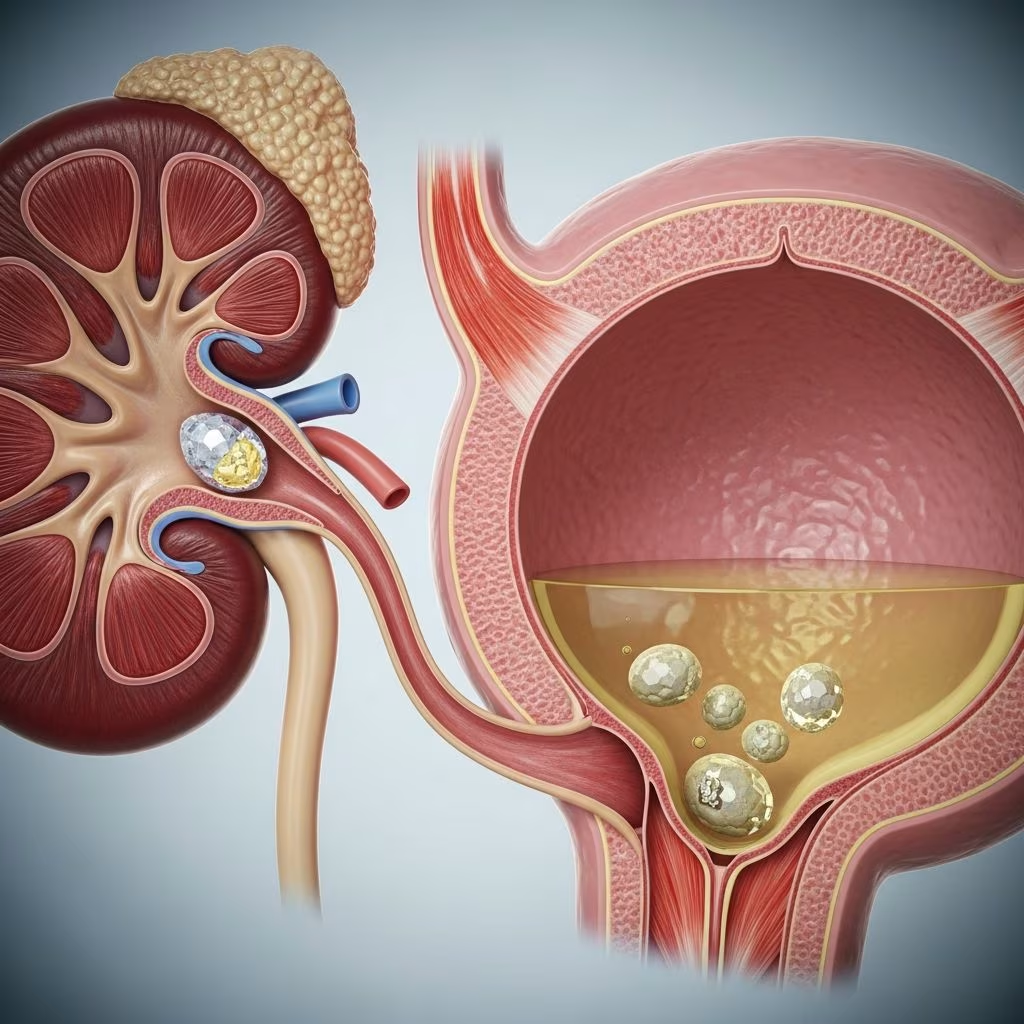
Urinary stones, also known as uroliths, represent a prevalent concern in canine and feline medicine, forming when minerals in the urine crystallize and aggregate within the bladder or urinary tract. These formations can lead to significant discomfort and health complications if not addressed promptly. Both dogs and cats are susceptible, with specific breeds and lifestyles influencing risk levels. Understanding the underlying mechanisms allows pet owners to take proactive steps toward prevention and timely intervention.
Understanding the Formation of Urinary Stones
Urinary stones develop through a process where dissolved minerals exceed their solubility threshold in urine, leading to crystal formation that grows into solid masses. Factors such as urine pH, mineral concentration, and hydration status play critical roles. Dehydration concentrates urine, promoting supersaturation of salts like magnesium, phosphate, and calcium, which accelerates crystallization. Bacterial infections can alter urine chemistry, particularly elevating pH to favor certain stone types.
Genetic predispositions heighten vulnerability in specific breeds. For instance, Dalmatians lack uricase enzyme, resulting in uric acid buildup and urate stone formation. Metabolic conditions, including liver shunts, further contribute by impairing toxin clearance, allowing ammonium urate accumulation. Dietary excesses in protein, minerals, or specific compounds exacerbate these risks by shifting urine composition unfavorably.
Primary Types of Stones Encountered in Pets
Different stone compositions demand tailored management approaches. Here’s a breakdown of the most common varieties:
- Struvite Stones: Composed of magnesium, ammonium, and phosphate, these thrive in alkaline urine often linked to infections. Cats are particularly prone due to naturally concentrated urine.
- Calcium Oxalate Stones: Harder and more prevalent in cats, these form in acidic urine environments and resist dissolution, frequently necessitating surgical intervention.
- Urate Stones: Associated with uric acid, common in breeds like Dalmatians or pets with portosystemic shunts. Liver dysfunction prevents proper uric acid metabolism.
- Cystine Stones: Rare, stemming from genetic amino acid transport defects, primarily affecting dogs.
| Stone Type | Common in | Urine pH Preference | Dissolvable? |
|---|---|---|---|
| Struvite | Dogs & Cats | Alkaline | Yes, with diet |
| Calcium Oxalate | Cats > Dogs | Acidic | No |
| Urate | Dalmatians, Shunt cases | Acidic | Partial, with meds |
| Cystine | Dogs | Acidic | Partial |
This table summarizes key distinctions, aiding in quick reference for stone identification and initial treatment planning.
Recognizing Symptoms in Dogs and Cats
Early detection hinges on observing behavioral and physical changes. Pets may strain during urination (dysuria), produce bloody urine (hematuria), or vocalize in distress while attempting to void. Frequent litter box or yard visits without substantial output signal irritation. In severe cases, complete blockages cause dribbling, lethargy, abdominal pain, or unsuccessful straining, constituting emergencies—especially in male cats with narrow urethras.
Some stones remain asymptomatic until complications like infections arise, underscoring the value of routine wellness exams. Owners might notice restlessness, reduced appetite, or urine accidents indoors, prompting veterinary evaluation.
Diagnostic Approaches for Accurate Identification
Veterinarians employ a multi-step process to confirm urinary stones. Initial assessments include urinalysis to detect crystals, pH, blood, and bacteria. Imaging via X-rays or ultrasound visualizes stone location, size, and number, with contrast studies enhancing urethral detail.
Definitive diagnosis requires stone analysis post-removal, categorizing composition to guide prevention. Bloodwork evaluates underlying metabolic issues, such as liver function for urate risks. Culture tests identify infections driving struvite formation. This comprehensive strategy ensures targeted therapy.
Treatment Options: From Medical to Surgical
Treatment varies by stone type, size, and pet stability. Struvite stones often dissolve medically using prescription diets that acidify urine and reduce mineral precursors, monitored via serial radiographs over 1-2 months. Antibiotics address concurrent infections.
Calcium oxalate and larger stones typically require cystotomy—surgical bladder incision for removal and flushing—offering rapid relief with quick recovery in healthy patients. For obstructions, catheterization relocates stones pre-surgery. Urate cases may involve shunt correction alongside allopurinol to lower uric acid.
Post-treatment, medications like potassium citrate adjust pH, preventing recurrence. Hospitalization stabilizes critical blockages, involving fluids and pain management.
Prevention Strategies for Long-Term Urinary Health
Proactive measures significantly curb reformation risks. Encourage ample water intake via fountains, wet food, or flavored additives to dilute urine. Prescription diets limit stone-promoting minerals while balancing nutrition.
Regular vet check-ups, including urinalysis every 3-6 months, monitor for crystals or infections. Breed-specific screening benefits high-risk pets. Avoid over-supplementation and table scraps high in minerals. Weight management reduces metabolic strain.
- Increase fresh water access daily.
- Transition to urinary health formulas under vet guidance.
- Schedule semi-annual urine cultures.
- Monitor for early symptom recurrence.
Special Considerations for Dogs Versus Cats
Dogs often form struvite secondary to infections, responding well to antibiotics and diet, while cats favor calcium oxalate, demanding vigilant hydration due to lower thirst drives. Miniature Schnauzers and Bulldogs face higher canine risks; Siamese and Persians in cats. Tailor prevention to species and breed.
Frequently Asked Questions (FAQs)
Can urinary stones be fatal if untreated?
Yes, blockages can lead to kidney failure or bladder rupture, necessitating emergency care.
How long does stone dissolution take?
Struvite stones typically dissolve in 4-8 weeks with specialized diets, monitored by X-rays.
Is surgery always required?
No, diet therapy suffices for many struvite cases; surgery suits non-dissolvable types.
Does dry food cause stones?
Not directly, but low moisture intake can concentrate urine, elevating risk—wet food helps mitigate.
Are puppies or kittens at risk?
Less common, but congenital issues like shunts predispose young pets.
Partnering with Your Veterinarian
Collaborate closely for customized plans. Post-treatment imaging and analysis inform ongoing strategies, ensuring sustained urinary wellness. Early vigilance transforms potential crises into manageable conditions.
References
- Bladder Stones in Cats: Types, Symptoms, & Treatment — Hill’s Pet US. 2023. https://www.hillspet.com/cat-care/healthcare/bladder-stones-in-cats
- Understanding Bladder Stones in Pets — ABC Veterinary Clinic of Lewisville. 2024. https://abcvetoflewisville.com/understanding-bladder-stones-in-pets-2/
- Bladder Stones in Cats and Dogs — BluePearl Pet Hospital. 2023. https://bluepearlvet.com/medical-articles-for-pet-owners/bladder-stones/
- Urinary Bladder Stones in Dogs & Cats — Chappelle Veterinary Clinic. 2024. https://chappellevet.ca/urinary-bladder-stones-in-dogs-cats/
- Bladder Stones In Dogs And Cats — Doncaster Vet. 2023. https://www.doncastervet.com.au/pet-advice/bladder-stones-in-dogs-and-cats
- Bladder Stones in Cats — VCA Animal Hospitals. 2024. https://vcahospitals.com/know-your-pet/bladder-stones-in-cats
- Urine Crystals and Bladder Stones in Cats — PetMD. 2024. https://www.petmd.com/cat/conditions/urinary/urine-crystals-and-bladder-stones-in-cats



