

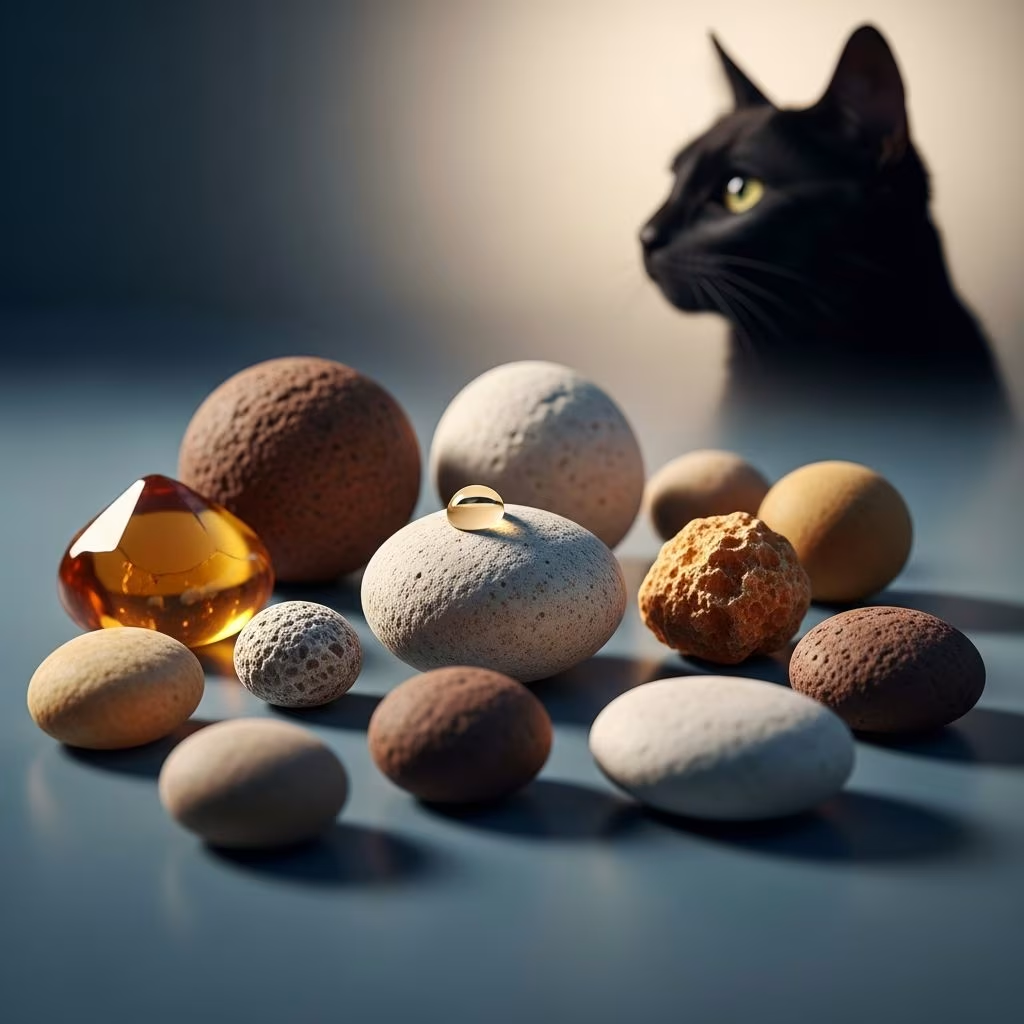
Urinary stones, also known as uroliths or calculi, are hardened mineral deposits that form in a cat’s urinary system, primarily the bladder but sometimes kidneys or urethra. These stones can range from tiny crystals to larger formations causing significant discomfort and health risks. Cats’ naturally concentrated and acidic urine makes them prone to this condition, especially when diet, hydration, or infections disrupt mineral balance.
Why Do Cats Develop Urinary Stones?
The formation of urinary stones begins when minerals in the urine exceed saturation levels, leading to crystal development that aggregates into solid masses. Several factors contribute to this process in felines.
- Dietary Imbalances: High levels of magnesium, phosphorus, or calcium in food can promote stone growth, particularly if the diet lacks proper mineral control.
- Urine pH Extremes: Acidic urine favors calcium oxalate stones, while alkaline conditions encourage struvite formation, often linked to bacterial infections.
- Dehydration: Insufficient water intake concentrates urine, allowing minerals to precipitate more easily.
- Infections and Inflammation: Bacterial urinary tract infections produce enzymes that raise urine pH, fostering struvite stones.
- Genetic and Breed Factors: Breeds like Siamese may have higher risks for certain stones due to inherited traits.
- Other Contributors: Obesity, chronic kidney disease, liver issues, or certain medications can elevate susceptibility.
Male cats, especially overweight ones, face greater dangers because their narrower urethra increases blockage risk.
Main Types of Urinary Stones in Felines
Cats primarily suffer from two stone varieties, each with unique characteristics and triggers. Identifying the type is crucial for effective management.
| Stone Type | Common Causes | Urine pH Preference | Prevalence |
|---|---|---|---|
| Struvite (Magnesium Ammonium Phosphate) | Infections, high mineral diets | Alkaline | Common, especially in females |
| Calcium Oxalate | Acidic urine, kidney disease, hypercalcemia | Acidic | Most common overall, peaks in middle-aged cats |
Struvite stones often link to infections from bacteria like Staphylococcus, which alkalinize urine. Calcium oxalate stones, harder and non-dissolvable, appear in cats aged 5-14 years and resist dietary dissolution.
Recognizing the Warning Signs
Early detection hinges on observing behavioral and physical changes. Small stones might pass unnoticed, but larger ones irritate tissues or block flow.
- Blood-tinged urine (hematuria) from bladder wall abrasion.
- Frequent, small-volume urination attempts.
- Straining or crying during urination (dysuria).
- Inappropriate elimination outside the litter box.
- Excessive genital licking or overgrooming.
- Abdominal tenderness or lethargy.
- Foul-smelling urine.
Emergency Alert: Urinary obstruction signs—repeated unproductive litter box visits, vomiting, yowling, or a distended abdomen—demand immediate veterinary intervention, as blockages can be fatal within 24-48 hours.
How Vets Diagnose Urinary Stones
Diagnosis starts with a thorough history and physical exam, followed by targeted tests to confirm stones and their type.
- Urinalysis: Checks pH, crystals, blood, bacteria, and concentration.
- Imaging: Radiographs detect most stones (struvite is radio-opaque; oxalate variably so); ultrasound visualizes bladder and kidneys.
- Culture and Sensitivity: Identifies infection-causing bacteria and appropriate antibiotics.
- Bloodwork: Assesses kidney function, calcium levels, and overall health.
- Stone Analysis: Lab examination of passed or surgically removed stones for precise composition.
These steps differentiate stones from other conditions like idiopathic cystitis, ensuring tailored treatment.
Treatment Strategies for Cat Urinary Stones
Treatment varies by stone type, size, location, and obstruction presence. Goals include stone removal, pain relief, infection control, and preventing recurrence.
Non-Surgical Options
- Dietary Dissolution: Prescription foods like Hill’s s/d acidify urine and reduce mineral saturation, dissolving struvite stones in 4-12 weeks. Not effective for oxalate.
- Medications: Antibiotics for infections; pain relievers; urease inhibitors for persistent struvite cases.
- Hydropropulsion: Flushing small stones via catheter under sedation.
Surgical Interventions
Cystotomy surgically opens the bladder to extract stones, ideal for large or calcium oxalate types with high success rates and quick recovery. For urethral obstructions, catheterization relieves blockages alongside IV fluids and monitoring.
Post-Treatment Care
Hospitalization may be needed for severe cases, followed by lifelong dietary management and monitoring via regular imaging and urinalysis.
Preventing Future Urinary Stone Episodes
Recurrence is common, so proactive steps are essential.
- Specialized Diets: Low-mineral, urine-acidifying foods for at-risk cats.
- Hydration Promotion: Wet food, multiple water fountains, flavored water additives to dilute urine.
- Weight Control: Maintain ideal body condition to reduce risks.
- Regular Vet Checkups: Routine urine tests catch issues early.
- Stress Reduction: Environmental enrichment minimizes inflammation triggers.
Owners of stone-prone cats should avoid magnesium-rich treats and monitor for symptoms vigilantly.
Potential Complications and Prognosis
Untreated stones risk chronic infections, kidney damage, or fatal blockages. With prompt care, most cats recover fully—struvite dissolution boasts high success, surgery over 95% effective. Long-term, adherence to prevention yields excellent outcomes, though some need ongoing therapy.
Frequently Asked Questions (FAQs)
Can urinary stones affect a cat’s kidneys?
Yes, blockages can back up urine into kidneys, causing acute kidney injury. Nephroliths (kidney stones) are less symptomatic until advanced.
Are all cat foods safe for stone-prone felines?
No, standard diets may exacerbate risks; use vet-prescribed urinary health formulas.
How long does struvite dissolution take?
Typically 1-3 months with strict diet adherence and antibiotics if infected.
Is surgery always necessary for calcium oxalate stones?
Yes, they don’t dissolve; cystotomy is standard, with good recovery prospects.
Can home remedies treat urinary stones?
No, professional diagnosis and treatment are critical; delays can be life-threatening.
References
- Bladder Stones in Cats — Springhouse Animal Hospital. 2021-12-15. https://www.springhouseanimalhospital.com/site/blog/2021/12/15/bladder-stones-cat
- How to Detect and Treat Bladder Stones in Cats — Vetster. N/A. https://vetster.com/en/wellness/how-to-detect-and-treat-bladder-stones-in-cats
- Urinary Stones (Uroliths, Calculi) in Cats — Merck Veterinary Manual. N/A. https://www.merckvetmanual.com/cat-owners/kidney-and-urinary-tract-disorders-of-cats/urinary-stones-uroliths-calculi-in-cats
- Bladder Stones in Cats: Causes, Symptoms, & Treatment — Long Beach Animal Hospital. N/A. https://lbah.com/feline/cat-bladder-stones/
- Bladder Stones in Cats: Symptoms, Causes, and Treatments — WebMD. N/A. https://www.webmd.com/pets/cats/bladder-stones-cats
- Bladder Stones in Cats — VCA Animal Hospitals. N/A. https://vcahospitals.com/know-your-pet/bladder-stones-in-cats
- Urine Crystals and Bladder Stones in Cats — PetMD. N/A. https://www.petmd.com/cat/conditions/urinary/urine-crystals-and-bladder-stones-in-cats



