

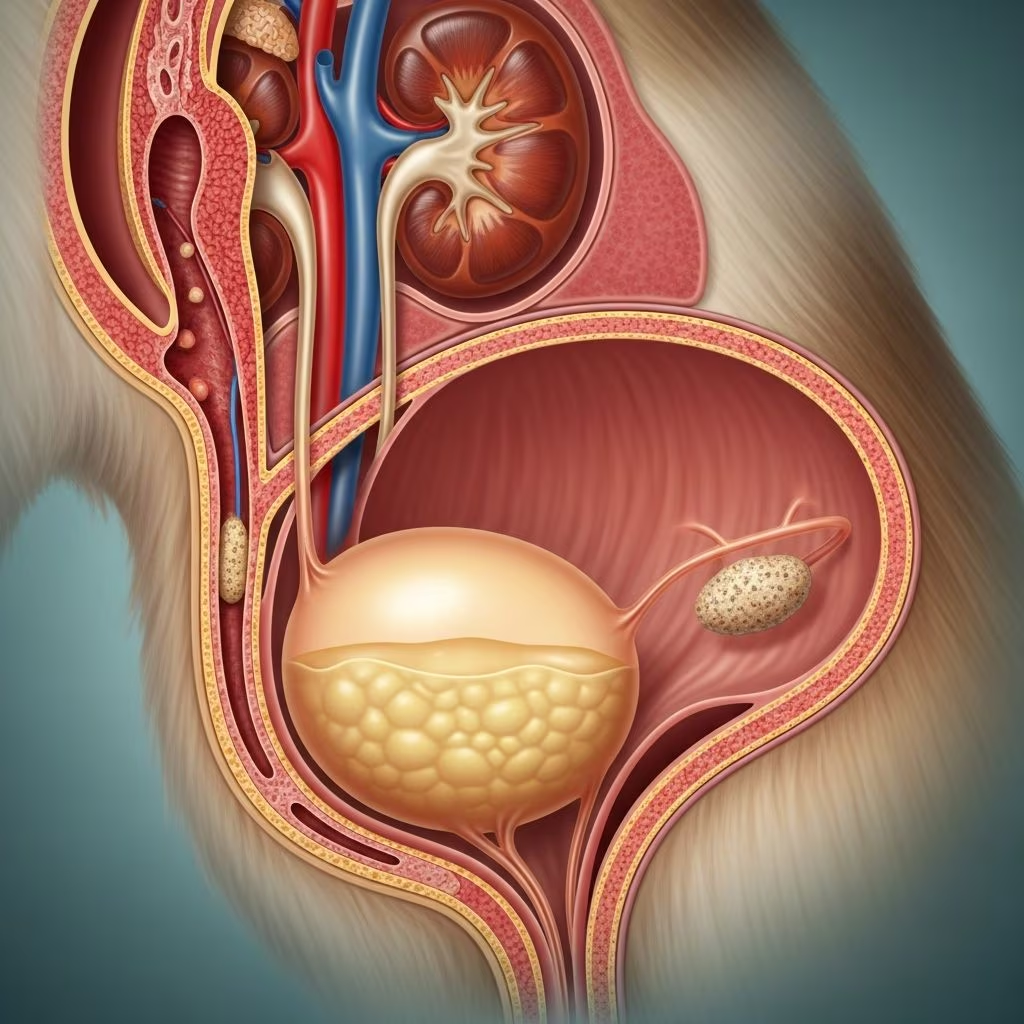
Urinary obstruction occurs when the normal flow of urine is blocked anywhere along a pet’s urinary tract, from the kidneys to the urethra. This condition is especially common and dangerous in male cats due to their narrow urethras, but it can affect dogs, female cats, and other pets too. Without prompt intervention, toxins build up, leading to kidney damage, organ failure, or death within 24-48 hours. Pet owners must recognize early signs to seek veterinary care immediately.
Why Urinary Blockages Happen in Cats and Dogs
The urinary system in pets includes kidneys that filter waste into urine, ureters that carry it to the bladder, and the urethra that expels it. Blockages disrupt this process, causing pressure buildup and potential rupture. In cats, **feline lower urinary tract disease (FLUTD)** often underlies obstructions, involving inflammation, crystals, or stones. Male cats face higher risks because their urethra is long and thin, easily plugged by debris.
Dogs experience similar issues, though less acutely. Common culprits include prostate enlargement in intact males, tumors, or bladder stones. Age, breed, and diet play roles: breeds like Dalmatians are prone to uric acid stones, while overweight or sedentary pets develop struvite crystals from bacterial infections.
- Intrinsic causes: Stones, crystals (struvite, calcium oxalate), mucus plugs, or blood clots inside the tract.
- Extrinsic causes: Tumors pressing externally, scar tissue from prior infections, or congenital defects like urethral strictures.
- Functional issues: Nerve damage, weak bladder muscles, or spasms preventing proper emptying.
Recognizing the Warning Signs
Symptoms vary by blockage location and severity. Acute cases in cats present dramatically: straining in the litter box with no urine output, vocalizing in pain, or hiding. A swollen, painful abdomen signals bladder distension. Dogs may show frequent small urinations, incontinence, or bloody urine.
| Symptom | Common in Cats | Common in Dogs | Urgency Level |
|---|---|---|---|
| Straining without urine | High | Medium | Emergency |
| Bloody or cloudy urine | High | High | High |
| Vomiting or lethargy | High | Medium | Emergency |
| Loss of appetite | Medium | High | Moderate |
| Excessive thirst | Low | High | Monitor |
Chronic blockages mimic milder UTIs: increased urination frequency, accidents indoors, or foul-smelling urine. If untreated, pets develop dehydration, electrolyte imbalances (high potassium), and heart arrhythmias.
How Vets Diagnose Urinary Obstructions
Diagnosis starts with history and physical exam, feeling a firm bladder like a “ping-pong ball.” Urinalysis checks for crystals, bacteria, blood, or pH imbalances favoring stone formation. Bloodwork reveals elevated kidney values (BUN, creatinine) and potassium shifts.
Imaging confirms the site: abdominal X-rays detect stones (radiopaque types), while ultrasound visualizes bladder wall thickening, hydronephrosis (kidney swelling), or ureteral dilation. Contrast studies or cystoscopy offer detailed views in complex cases.
- Physical palpation and rectal exam (for prostate issues in dogs).
- Lab tests: Complete blood count, chemistry panel, urine culture.
- Imaging: Radiographs, ultrasound, or advanced CT if needed.
Emergency Treatments to Save Lives
Time is critical—cats can die from toxemia in 1-3 days. First step: urinary catheterization under sedation to relieve pressure and flush the tract. IV fluids correct dehydration and flush kidneys.
Medications manage pain (opioids), spasms (prazosin), and infections (antibiotics). For recurrent cases, vets dissolve crystals with diet or prescribe anti-inflammatories. Severe blockages require stents or nephrostomy tubes to bypass obstructions temporarily.
Surgery looms for stubborn blockages: **perineal urethrostomy (PU)** in cats widens the urethra, reducing re-obstruction risk to under 10%. Dogs may need prostate surgery or stone removal via cystotomy.
Long-Term Management and Prognosis
Post-relief, hospitalization monitors stabilization (24-72 hours). Home care involves prescription urinary diets low in magnesium, increased water intake via fountains, and stress reduction (pheromone diffusers).
Prognosis excels with early care: 90%+ survival for first-time blockages. Recurrence drops post-surgery, but monitoring prevents complications like chronic kidney disease.
Prevention Strategies for Healthy Urinary Tracts
Proactive steps slash risks:
- Diet: Feed urinary health formulas promoting dilute, acidic urine to deter crystals.
- Hydration: Encourage drinking with wet food, running water sources.
- Weight control: Obesity worsens inflammation; maintain ideal body condition.
- Litter habits: Scoop daily, provide multiple boxes to reduce stress.
- Neuter: Prevents prostate issues in male dogs; mixed effects in cats.
- Regular checkups: Annual urinalysis screens for early crystals.
Environmental enrichment combats idiopathic cystitis, a stress-triggered FLUTD form.
Special Considerations by Species and Breed
Cats: Persians, Himalayans prone to stones; males over 75% of cases. Dogs: Miniature Schnauzers, Bulldogs for stones; older intact males for prostate blocks. Females less affected but watch for tumors or prolapse.
Frequently Asked Questions (FAQs)
What should I do if my cat strains in the litter box but produces no urine?
Go to an emergency vet immediately—this is likely a life-threatening blockage.
Can urinary obstruction recur after treatment?
Yes, up to 50% in non-surgical cases; surgery and diet changes reduce odds significantly.
Is pet insurance worth it for urinary issues?
Absolutely—treatments cost $2,000-$6,000; coverage offsets expenses for emergencies.
How do I increase my pet’s water intake?
Try flavored water, wet food, or automatic fountains; avoid dry-only diets.
Are crystals always visible on X-rays?
No, some like urate are radiolucent; ultrasound or contrast helps detect them.
References
- Navigating Ureteral Obstruction: Causes, Symptoms & Treatment — University of Georgia Animal Health. 2023. https://ugatl.com/blog/ureteral-obstruction/
- Symptoms & Causes of Urinary Retention — National Institute of Diabetes and Digestive and Kidney Diseases (NIDDK). 2024-05-01. https://www.niddk.nih.gov/health-information/urologic-diseases/urinary-retention/symptoms-causes
- Urinary Tract Obstruction — Merck Manuals. 2025. https://www.merckmanuals.com/home/kidney-and-urinary-tract-disorders/obstruction-of-the-urinary-tract/urinary-tract-obstruction
- Urinary tract obstruction — AMBOSS. 2024. https://www.amboss.com/us/knowledge/urinary-tract-obstruction/
- Urinary Obstruction Treatment — The Urology Specialists of Maryland. 2023. https://mdmercy.com/mercy-services/conditions/urinary-obstruction



