Urinary Infections in Pets: Causes and Care
Discover how to spot, treat, and prevent urinary tract infections in dogs and cats for healthier pets.
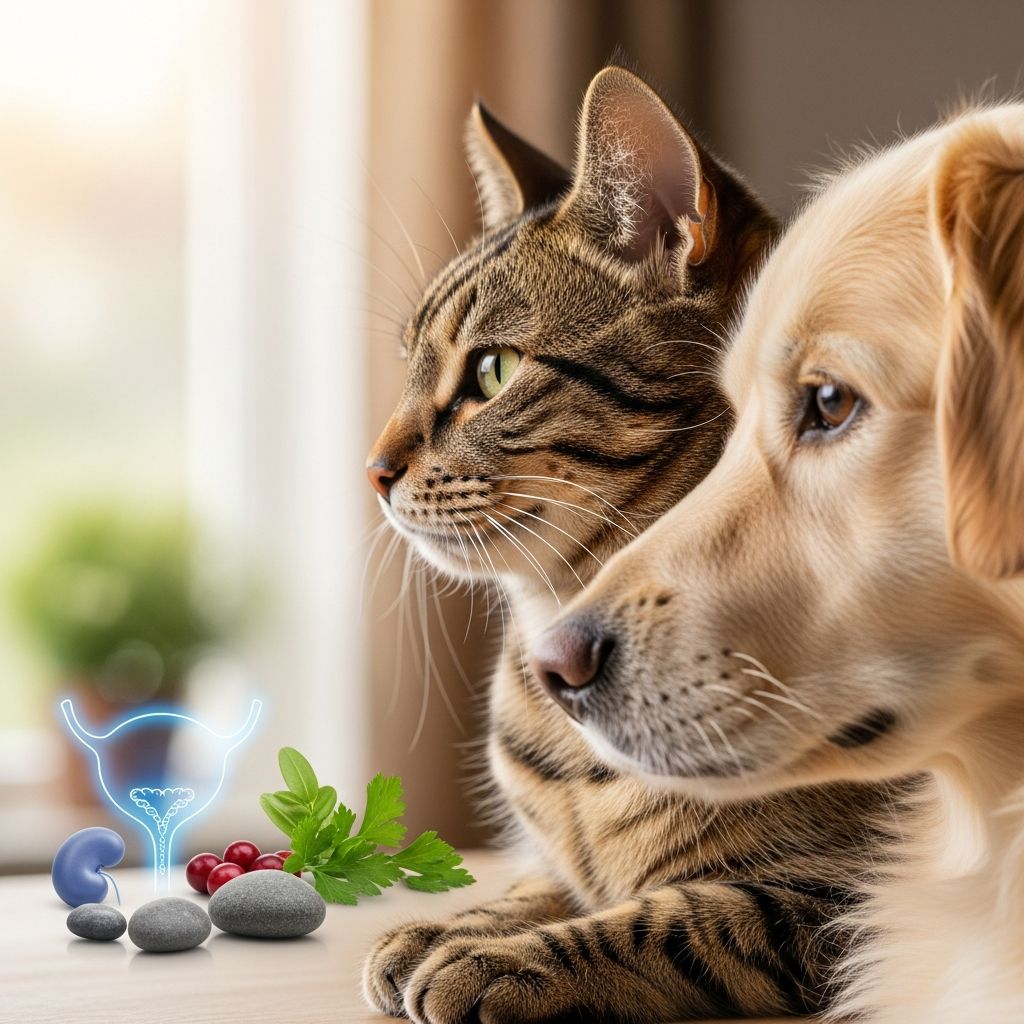
Urinary tract infections (UTIs) represent one of the most frequent health challenges encountered in small animal veterinary practice, particularly affecting dogs where prevalence can reach up to 27%. These conditions arise predominantly from bacterial invasion, though rarer fungal or viral culprits exist, leading to discomfort and potential complications if unmanaged. Understanding the pathways of infection, clinical presentations, and management protocols is crucial for pet owners and veterinarians alike to ensure timely intervention and recovery.
Understanding the Anatomy and Infection Pathways
The urinary system in dogs and cats comprises the kidneys, ureters, bladder, and urethra, all designed to filter waste and maintain sterility. Normally, urine remains free of pathogens due to natural defenses like urine flow and mucosal barriers. However, breaches occur when bacteria ascend from the external genitalia through the urethra, a common route for lower tract involvement. Less frequently, hematogenous spread via the bloodstream seeds infections in the kidneys or bladder.
In dogs, anatomical differences play a key role: females face higher risks owing to their shorter, wider urethras, facilitating bacterial entry. Cats, conversely, exhibit lower UTI incidence thanks to diligent grooming and highly concentrated urine that discourages bacterial proliferation. Despite this, senior cats over 10 years or those with comorbidities remain vulnerable.
Common Culprits Behind Pet UTIs
Aerobic bacteria dominate as the primary agents, with gram-negative species like Escherichia coli from fecal sources leading the charge in both dogs and cats. Other frequent isolates include Proteus, Staphylococcus, and Enterococcus spp. Systemic infections such as leptospirosis, caused by Leptospira spp., target the kidneys directly, inducing acute interstitial nephritis primarily in dogs, while cats may carry subclinical infections.
- Gram-negative bacteria: Predominant in uncomplicated cases, thriving in bladder environments.
- Leptospira: Zoonotic risk, causing renal injury beyond the tract.
- Rare pathogens: Fungi or viruses appear in immunocompromised animals.
Compounding factors like bladder stones or diabetes supply nutrients that fuel bacterial growth, escalating simple infections to complicated ones.
Recognizing Symptoms Early
Pet owners often first notice behavioral shifts. Dogs may strain (stranguria), urinate small volumes frequently (pollakiuria), show discomfort (dysuria), or pass bloody urine (hematuria). Additional signs include genital licking, strong urine odor, incontinence, or house-training lapses—red flags even in trained pets. Cats present similarly but overlap with sterile conditions like idiopathic cystitis, marked by litter box avoidance or vocalizing during elimination.
| Symptom | Dogs | Cats |
|---|---|---|
| Frequent urination | Common, with straining | Frequent box visits, low yield |
| Pain on urination | Whining, restlessness | Vocalizing, hiding |
| Blood in urine | Visible hematuria | Often subtle |
| Odor/Cloudiness | Strong ammonia smell | Cloudy litter clumps |
These manifestations stem from urothelial inflammation, where bacteria disrupt barrier integrity, triggering cytokine release and pain. Prompt recognition prevents ascent to pyelonephritis, a kidney infection with systemic effects like fever and lethargy.
Risk Factors Amplifying Susceptibility
Not all pets develop UTIs equally. Females predominate due to urethral anatomy, with older dogs, puppies, and obese individuals at elevated risk. In cats, seniors and those with chronic diseases like diabetes or hyperthyroidism face higher odds. Structural anomalies—ectopic ureters, recessed vulva—trap bacteria, while conditions like diarrhea or anal sac issues introduce contaminants. Immunosuppression from medications or illness further compromises defenses.
- Demographic risks: Female dogs, geriatric cats.
- Medical predispositions: Urolithiasis, endocrine disorders.
- Lifestyle factors: Obesity, poor hygiene.
Diagnostic Approaches for Accurate Identification
Veterinarians prioritize urinalysis for initial clues: pyuria, bacteriuria, or hematuria suggest infection, though sterile inflammation mimics these. Definitive diagnosis demands urine culture and sensitivity testing, growing pathogens and pinpointing effective antibiotics. Midstream free-catch or cystocentesis samples minimize contamination. Imaging like ultrasound detects stones or structural issues, while bloodwork assesses renal function.
In recurrent cases, advanced evaluation—including biopsy for glomerulonephritis linked to infections—is warranted. Guidelines stress treating only symptomatic bacteriuria, as asymptomatic cases may reflect normal flora.
Treatment Strategies: Antibiotics and Beyond
Antimicrobial therapy hinges on culture results, with empiric choices like amoxicillin or trimethoprim-sulfamethoxazole for common pathogens. Duration varies: 7-14 days for simple UTIs, 4-6 weeks for complicated or upper tract cases. Supportive care includes hydration, pain relief, and addressing predispositions like stone removal.
Antibiotic stewardship combats resistance: avoid treating asymptomatic pets, favor culture-guided therapy. Emerging antibiotic-sparing options like urinary antiseptics show promise.
Preventing Recurrence and Promoting Long-Term Health
Proactive measures mitigate risks. Maintain ideal weight, ensure hygiene, and manage underlying diseases. Increased water intake dilutes urine, flushing bacteria. For anatomically prone pets, surgical corrections like vulvoplasty help. Regular vet check-ups with screening cultures benefit high-risk individuals.
- Hydration promotion: Wet food, fountains.
- Monitoring: Screen seniors annually.
- Cleanliness: Wipe females post-defecation.
Special Considerations for Feline Patients
Cats rarely harbor bacterial UTIs; over 95% of lower tract signs stem from sterile cystitis or uroliths. Distinguishing requires culture, as symptoms overlap. Treatment mirrors dogs but emphasizes stress reduction and environmental enrichment.
Potential Complications and Prognosis
Untreated UTIs ascend to pyelonephritis, risking renal failure. Chronic cases foster stones or resistance. With prompt care, prognosis excels; most resolve fully. Monitor for relapse, especially in predisposed pets.
Frequently Asked Questions (FAQs)
Can home remedies cure my pet’s UTI?
No, antibiotics are essential; supplements aid but don’t replace vet-prescribed treatment.
How soon do symptoms improve after starting antibiotics?
Within 48-72 hours, though complete the course.
Are UTIs contagious between pets?
Typically not, as they arise from resident bacteria, not direct transmission.
Should I test asymptomatic older pets?
Yes, for high-risk cats and dogs to catch subclinical issues.
What if cultures show no growth but symptoms persist?
Consider sterile cystitis or other causes; further diagnostics needed.
References
- Urinary Tract Infections in Dogs — Today’s Veterinary Practice. 2023. https://todaysveterinarypractice.com/urology-renal-medicine/urinary-tract-infections-in-dogs/
- Diagnosis and management of bacterial urinary tract infections — IDEXX. 2022. https://www.idexx.com/files/urinalysis-dx-update.pdf
- Overview of Infectious Diseases of the Urinary System in Small Animals — Merck Veterinary Manual. 2025. https://www.merckvetmanual.com/urinary-system/infectious-diseases-of-the-urinary-system-in-small-animals/overview-of-infectious-diseases-of-the-urinary-system-in-small-animals
- Urinary Tract Infections (UTIs) in Dogs — VCA Animal Hospitals. 2024. https://vcahospitals.com/know-your-pet/urinary-tract-infections-utis-in-dogs
- Urinary Tract Infections in Pets: Signs and Treatment — Vale Veterinary Group. 2023. https://valeveterinarygroup.co.uk/urinary-tract-infections-in-pets-signs-and-treatment/
- Urinary Tract Infection — PubMed (peer-reviewed). 2018-12-28. https://pubmed.ncbi.nlm.nih.gov/30591189/
- Updates in management of urinary tract infections — dvm360. 2023. https://www.dvm360.com/view/updates-in-management-of-urinary-tract-infections-in-small-animal-medicine
Similar Articles





Read full bio of Sneha Tete