

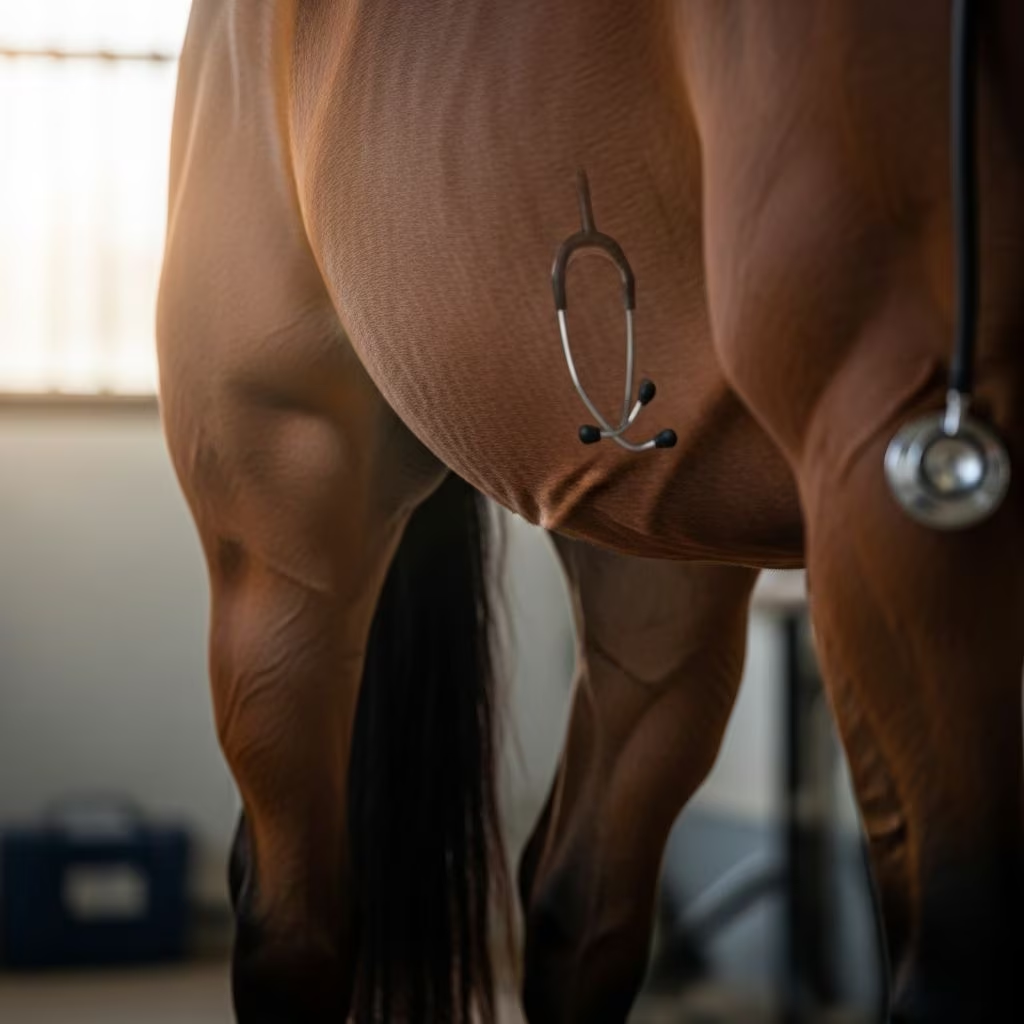
Horses, like many animals, can develop infections in their urinary system, which includes the kidneys, ureters, bladder, and urethra. These conditions, often bacterial in origin, range from mild bladder irritations to severe kidney inflammations that threaten overall health. Early recognition of symptoms such as frequent urination, straining, or discolored urine is crucial for timely intervention. This guide draws on veterinary insights to help owners understand causes, signs, diagnostics, treatments, and prevention strategies for these disorders.
Understanding the Equine Urinary System
The urinary tract in horses efficiently filters waste from the blood, producing urine that is expelled to maintain fluid balance and remove toxins. Key components include the paired kidneys, which filter blood; ureters that transport urine to the bladder; the bladder for storage; and the urethra for expulsion. Horses produce cloudy, mucus-rich urine normally, but infections disrupt this process, leading to complications like stones or systemic illness.
Infections typically ascend from the urethra, especially in mares due to shorter anatomy, or arise from underlying issues like stones blocking flow. Factors predisposing horses include age (seniors and foals), weakened immunity, poor hygiene, or anatomical abnormalities.
Common Types of Urinary Tract Infections
Bladder Infections (Cystitis)
Cystitis involves bacterial inflammation of the bladder lining, rarer in horses than other species but more common in mares. Bacteria enter via the urethra, causing irritation without always producing fever unless ascending further.
- Frequent small-volume urination (pollakiuria): Horse postures repeatedly but passes little urine.
- Straining or discomfort: Tail swishing or restlessness during attempts.
- Abnormal urine: Cloudy, bloody, pus-filled, or with clots; normal horse urine is sediment-heavy, so changes stand out.
- Dribbling or scalding: Urine leaks, irritating skin around genitals.
Mares show vulvar scalding; stallions, ventral belly issues. Untreated cystitis risks kidney spread.
Kidney Infections (Pyelonephritis)
Pyelonephritis occurs when bacteria reach the kidneys, often from untreated cystitis or stones impeding flow. It causes severe pain and systemic effects, unlike localized cystitis.
- Pain along flanks: Sensitivity when palpated, reluctance to move.
- Fever and lethargy: Horse appears depressed, off feed.
- Excessive thirst/urination: Polydipsia/polyuria signals kidney dysfunction.
- Weight loss: Chronic cases lead to muscle wasting.
This condition demands urgent care to avoid chronic kidney damage.
Interstitial Nephritis
This inflammation affects kidney tissue around tubules, usually bacterial, impairing filtration. Symptoms mirror pyelonephritis but vary by severity.
| Symptom | Description | Associated Signs |
|---|---|---|
| Frequent/Straining Urination | Pollakiuria with effort | Bloody/cloudy urine |
| Systemic Illness | Fever, weakness | Appetite loss, lethargy |
Prognosis depends on early antibiotics; advanced cases may need kidney support.
Other Infectious Urinary Conditions
Leptospirosis Impact on Kidneys
Leptospirosis, a bacterial zoonosis, damages foal kidneys via bloodstream invasion, causing thirst spikes, appetite loss, and urination changes alongside fever, jaundice, and uveitis. Prompt antibiotics prevent acute kidney injury.
Related Disorders Mimicking Infections
Conditions like uroliths (stones) cause similar straining/blood but require imaging; uroperitoneum in foals shows dribbling from ruptured bladders. Patent urachus in neonates leaks urine from umbilicus, risking secondary UTIs.
Recognizing Early Warning Signs
Owners should monitor for:
- Changes in urination frequency, volume, or color.
- Behavioral shifts: Colic-like pain, saddle resistance, or depression.
- Physical clues: Edema, poor coat, umbilical swelling in foals.
Horses mask illness, so subtle polydipsia or polyuria warrants vet checks.
Diagnostic Approaches
Vets start with history and exam, then:
- Urinalysis: Detects bacteria, blood, pus; culture IDs pathogens.
- Bloodwork: Checks kidney values (BUN, creatinine).
- Ultrasound/X-rays: Reveals stones, abscesses, or dilation.
- Abdominocentesis: For fluid analysis in foals.
Straightforward cystitis shows local signs sans fever; pyelonephritis adds systemic ones.
Treatment Strategies
Tailored to cause and extent:
- Antibiotics: High-dose, culture-guided (e.g., for ascending bacteria).
- Supportive Care: IV fluids for dehydration, pain relief.
- Surgery: Stone removal (cystotomy), nephrectomy if unilateral kidney loss.
- Foal-Specific: Umbilical repair for urachus.
Prognosis excels with early action: good for cystitis/uroliths, variable for nephritis, excellent for uncomplicated foal cases. Recurrence risks demand follow-up.
Prevention Tips for Horse Owners
Minimize risks through:
- Clean stables, prompt manure removal to curb bacteria.
- Ample fresh water, salt blocks for hydration.
- Regular deworming/vaccinations, including leptospirosis where endemic.
- Monitor foals for umbilical issues; seniors for polyuria.
- Balanced diet low in minerals prone to stones.
Annual vet checks catch subclinical issues.
FAQs on Equine Urinary Infections
Are UTIs common in horses?
No, rare in healthy adults but rise in foals, seniors, or immunocompromised.
Why more mares than stallions?
Shorter urethra allows easier bacterial ascent.
Can I treat UTI at home?
No, requires vet-prescribed antibiotics to avoid resistance/kidney spread.
What if my horse has bloody urine?
Emergency: Could be infection, stones, or worse—call vet immediately.
Does leptospirosis affect adult horses’ urine?
Primarily foals; adults show uveitis/abortion more than urinary signs.
When to Call the Vet Urgently
Seek immediate help for fever + straining, persistent colic, collapse, or jaundice. Delays risk sepsis or failure.
References
- What Your Horse’s Urine Is Telling You: Urinary Symptom Guide — Mad Barn. 2023. https://madbarn.com/equine-urinary-symptoms/
- Cystitis in Horses — PetMD. 2023. https://www.petmd.com/horse/conditions/urinary/c_hr_cystitis
- Infectious Diseases of the Urinary System in Horses — Merck Veterinary Manual. 2023. https://www.merckvetmanual.com/horse-owners/kidney-and-urinary-tract-disorders-of-horses/infectious-diseases-of-the-urinary-system-in-horses
- EP 245: Urinary Tract Infections in Horses — Pet Care Partners (YouTube). 2023. https://www.youtube.com/watch?v=VokFyUc-j_Q
- Urinary Tract Disorders — Foundation Equine Clinic. 2023. https://foundationequine.com/urinarytract
- Urinary tract infections in horses — ePet Health. 2023. https://www.epethealth.com/demo/ArticlesHorseUrinaryTract.htm
- Increased Urination in Horses — Vetster. 2023. https://vetster.com/en/symptoms/horse/increased-urination



