

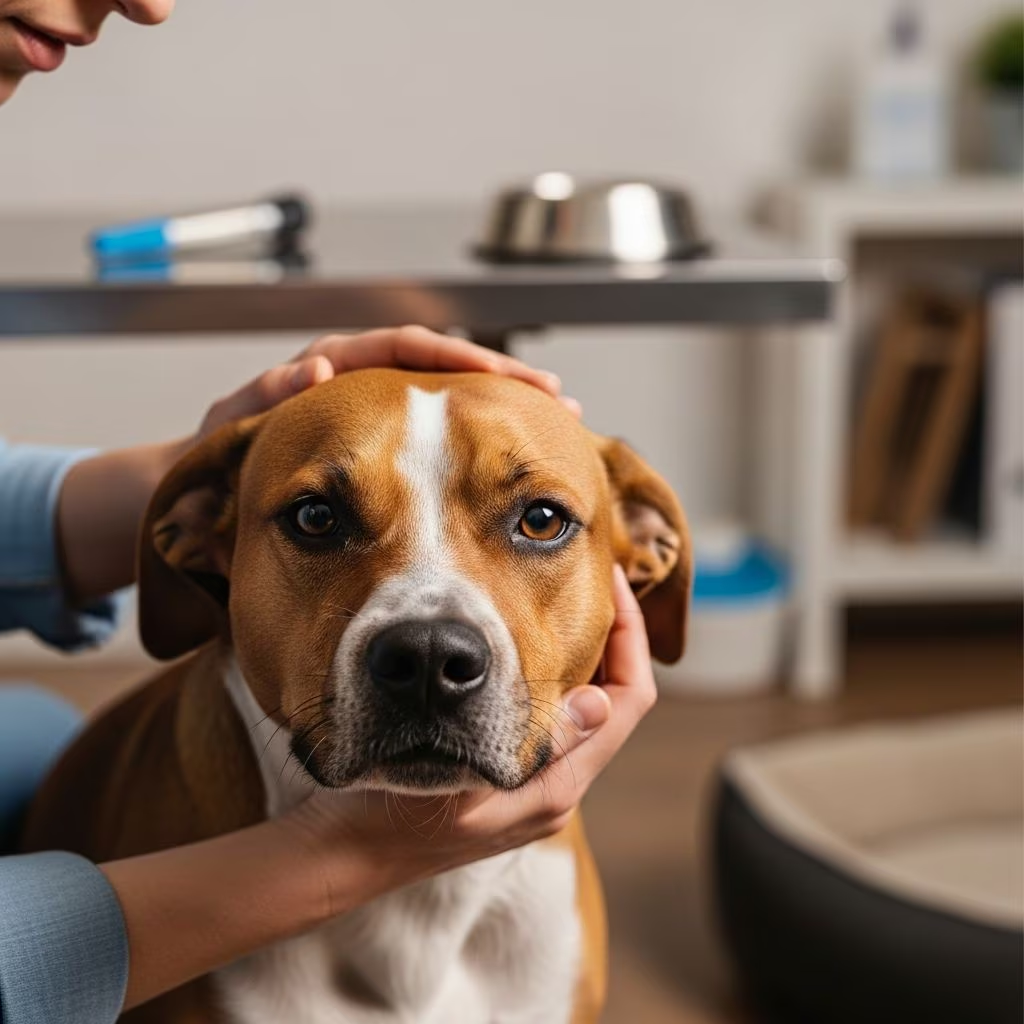
Urinary tract infections (UTIs) represent one of the most prevalent health challenges in canine companions, affecting dogs of all ages and breeds. These infections primarily target the bladder and urethra but can extend to the kidneys if untreated. Prompt recognition of symptoms and veterinary intervention is crucial to alleviate discomfort and prevent severe complications like kidney damage.
Recognizing the Warning Signs
Dogs with urinary infections often display noticeable behavioral and physical changes. Owners should stay vigilant for these indicators to seek timely help.
- Frequent attempts to urinate: Dogs may go outside more often but pass only small amounts of urine, a condition known as pollakiuria.
- Straining or discomfort: Known as stranguria, this involves visible effort or pain during urination, sometimes accompanied by whining.
- Blood in the urine (hematuria): Urine may appear pink, red, or contain visible blood droplets, signaling inflammation or irritation.
- Strong or foul-smelling urine: An unusual odor often points to bacterial overgrowth.
- Excessive genital licking: Dogs lick the area excessively to soothe irritation.
- Accidents indoors: House-trained dogs may suddenly urinate inside, breaking their routine.
- Other systemic signs: Lethargy, fever, increased thirst, reduced appetite, or incontinence can emerge, especially in advanced cases.
These symptoms overlap with other conditions, making professional evaluation essential. Early detection improves outcomes significantly.
Common Culprits Behind Canine UTIs
Most urinary infections stem from bacterial invasion, primarily from the gastrointestinal tract or skin. Escherichia coli is the leading pathogen, ascending via the urethra into the bladder where urine’s sterility is compromised.
Factors heightening susceptibility include:
- Anatomical differences: Female dogs face higher risks due to shorter urethras, facilitating bacterial entry.
- Underlying health issues: Conditions like diabetes, Cushing’s disease, kidney problems, or immunosuppression weaken defenses.
- Bladder abnormalities: Stones, tumors, or anatomical defects trap bacteria, promoting biofilms—resistant bacterial communities.
- Age and breed predispositions: Seniors and certain breeds like Golden Retrievers may experience recurrent episodes.
Understanding these triggers aids in targeted prevention.
Navigating Diagnosis with Your Vet
Veterinarians employ a systematic approach to confirm UTIs and exclude mimics like stones or tumors. The process typically unfolds as follows:
- History and physical exam: Discussing symptoms, diet, and medical history while palpating the abdomen for pain or bladder enlargement.
- Urinalysis: The cornerstone test, revealing bacteria, white blood cells, crystals, or blood via urine dipstick, sediment exam, or culture.
- Urine culture and sensitivity: Identifies the exact bacteria and effective antibiotics, vital for resistant cases.
- Imaging: Ultrasound or X-rays detect stones, masses, or upper tract involvement.
- Bloodwork: Assesses kidney function and screens for predisposing diseases like diabetes.
A table summarizing diagnostic tools:
| Test | Purpose | Key Findings |
|---|---|---|
| Urinalysis | Initial screening | Bacteria, pus, blood, pH changes |
| Culture | Bacteria ID & antibiotics | Specific pathogen sensitivity |
| Ultrasound | Structural assessment | Stones, thickening, dilation |
| Blood tests | Systemic check | Kidney values, glucose levels |
This multi-step confirmation ensures accurate treatment.
Treatment Strategies for Effective Recovery
Treatment hinges on infection severity and location. Antibiotics form the backbone, selected based on culture results for 10-14 days or longer in complicated cases.
- Antibiotics: Common choices include amoxicillin or trimethoprim-sulfamethoxazole; follow the full course to prevent relapse.
- Pain management: Anti-inflammatories ease discomfort during healing.
- Supportive care: Increased water intake flushes bacteria; special diets dissolve stones if present.
- Surgery: Required for obstructions or recurrent stones.
- Upper tract infections: May need hospitalization, IV fluids, and longer antibiotics to protect kidneys.
Follow-up urinalysis confirms clearance, as untreated infections risk pyelonephritis or chronic issues.
Preventing Recurrence: Proactive Steps
Prevention focuses on hygiene, health management, and monitoring. Key measures include:
- Hydration encouragement: Provide fresh water and wet food to promote frequent urination.
- Regular potty breaks: Avoid urine retention by scheduling frequent outs.
- Hygiene maintenance: Clean genital areas, especially in females with skin folds.
- Annual check-ups: Screen for predispositions via urinalysis and bloodwork.
- Dietary adjustments: Prescription foods reduce stone formation and support urinary pH.
- Weight control: Obesity exacerbates risks; maintain ideal body condition.
For recurrent cases, low-dose preventive antibiotics or probiotics may be prescribed under vet guidance.
When to Worry: Complications and Prognosis
While most UTIs resolve with treatment, delays can lead to kidney infections (pyelonephritis), sepsis, or bladder stones. Dogs with comorbidities face poorer prognoses if unmanaged. Prognosis is excellent for uncomplicated lower tract infections—over 90% clear with proper care. Monitor seniors closely, as they mask symptoms.
FAQs on Dog Urinary Infections
Can my male dog get a UTI?
Yes, though less common than in females due to longer urethras; prostate issues increase risk in intact males.
How long do antibiotics take to work?
Improvement often occurs within 48 hours, but complete the course to avoid resistance.
Is cranberry helpful for dog UTIs?
Limited evidence; consult your vet before supplements, as they may not replace antibiotics.
What if my dog has no symptoms?
Some dogs are asymptomatic, especially with dilute urine; routine vet screens catch these.
Can diet prevent UTIs?
Yes, urinary-specific diets acidify urine and prevent crystals; pair with hydration.
Holistic Support for Urinary Wellness
Beyond meds, consider stress reduction—cortisol weakens immunity. Omega-3 supplements may reduce inflammation, pending vet approval. Track urine habits via apps for early alerts. Educating families ensures collective vigilance, enhancing your dog’s quality of life.
In summary, urinary infections, while common, are manageable with awareness and action. Partner with your veterinarian for tailored care.
References
- Urinary Tract Infection (UTI) in Dogs — Neighborhood Veterinary Clinic. Accessed 2026. https://www.neighborhoodvetclinic.com/urinary-tract-infection-uti-in-dogs/
- Bladder Infections In Dogs – Signs & What To Do — Germantown Animal Hospital. 2021-08-16. https://www.germantownah.com/site/blog-memphis-vet/2021/08/16/bladder-infection-dog
- The Drips and Drops of Urinary Tract Infection in Dogs — Morris Animal Foundation. 2021-04-08. https://www.morrisanimalfoundation.org/article/urinary-tract-infection-golden-retriever
- Urinary Tract Infections (UTIs) in Dogs — VCA Animal Hospitals. Accessed 2026. https://vcahospitals.com/know-your-pet/urinary-tract-infections-utis-in-dogs
- Signs & How to Treat Bladder Infections in Dogs — LakeCross Veterinary Hospital. 2021-09-30. https://www.lakecross.com/site/blog-huntersville-vet/2021/09/30/bladder-infection-dog
- UTIs in dogs — Small Door Veterinary. Accessed 2026. https://www.smalldoorvet.com/learning-center/medical/utis-in-dogs



