

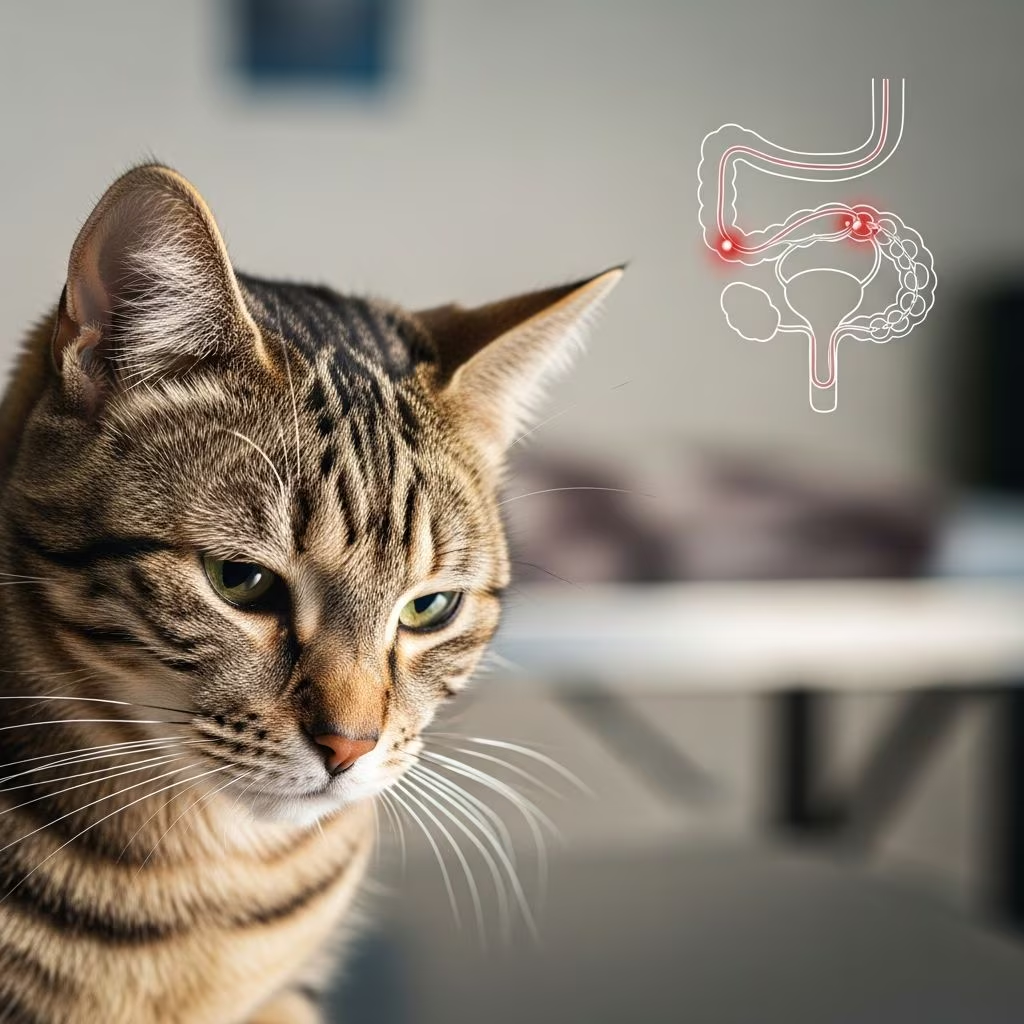
Understanding Urinary Infections in Cats
Urinary tract infections (UTIs) in cats are a common health concern that can cause significant discomfort and require prompt veterinary attention. These infections occur when bacteria enter the urethra and travel to the bladder, causing inflammation and infection. While UTIs are a serious condition, understanding the symptoms, causes, and treatment options can help cat owners recognize problems early and seek appropriate care. Cats of any age can develop urinary tract infections, though they are more common in older cats and those with underlying health conditions.
It’s important to note that urinary tract infections are just one type of feline lower urinary tract disease (FLUTD). While the terms are sometimes used interchangeably, FLUTD encompasses several conditions that affect the bladder and urethra, not all of which are caused by bacterial infections. Understanding this distinction helps pet owners appreciate the complexity of urinary health in cats and the importance of professional veterinary diagnosis.
Recognizing the Symptoms of Cat Urinary Infections
Identifying urinary tract infection symptoms in your cat is crucial for early intervention. While some cats may be asymptomatic and show no outward signs, most cats with UTIs display one or more recognizable symptoms.
Common symptoms of urinary tract infections in cats include:
- Straining to urinate or difficulty passing urine
- Reduced amounts of urine or inability to urinate
- Pain or discomfort when urinating
- Passing urine tinged with blood, resulting in pinkish-colored urine
- Urinating around the house or outside the litter box
- Not urinating at all
- Increased frequency of urination or urinating more than usual
- Loss of bladder control
Additional symptoms may include:
- Excessive licking of the genital area
- Strong ammonia odor in urine
- Cloudy or bloody urine
- Hard or distended abdomen
- Drinking more water than usual
- Lethargy or lack of energy
- Vomiting
- Howling, crying, or excessive meowing while urinating
- Avoidance or fear of the litter box
- Hiding or acting withdrawn
- Loss of appetite
If you notice any combination of these symptoms in your cat, it’s essential to contact your veterinarian promptly. Some symptoms, particularly the inability to urinate, warrant immediate emergency care, as this can indicate a life-threatening urinary blockage.
Causes and Risk Factors
Understanding what causes urinary tract infections helps pet owners take preventive measures. Bacterial infections are the primary cause of UTIs in cats, occurring when bacteria enter the urethra and ascend to the bladder. However, several underlying factors can increase a cat’s susceptibility to developing infections.
Risk factors for feline urinary tract infections include:
- Advanced age, making older cats more vulnerable
- Diabetes or other metabolic conditions
- Kidney disease
- Weakened immune system
- Dehydration or insufficient water intake
- High stress levels and anxiety
- Dietary factors, particularly diets high in dry kibble
- Inadequate litter box hygiene or access
- Female sex, as female cats are more prone to UTIs
Male cats face a different concern: while they are less likely to develop UTIs than females, they are at greater risk for urinary blockages, which can be life-threatening and require emergency intervention. Understanding these risk factors allows cat owners to implement preventive strategies tailored to their individual pet’s needs.
Diagnosis of Feline Urinary Tract Infections
Proper diagnosis is essential for effective treatment of urinary tract infections in cats. If you believe your cat may have a urinary problem, contact your veterinarian for immediate attention, particularly if your cat is straining to urinate, crying out in pain, or unable to urinate at all.
Your veterinarian will perform a comprehensive evaluation to diagnose your cat’s condition. The diagnostic process typically includes:
- Complete physical examination to assess your cat’s overall health and symptoms
- Urinalysis to examine urine composition, detect bacteria, and identify abnormalities
- Urine culture to identify the specific bacteria causing the infection and determine antibiotic sensitivity
- Blood work to check for underlying health conditions that may contribute to urinary problems
- Ultrasound imaging to visualize the bladder, urethra, and surrounding tissues
- Radiographs (X-rays) to detect bladder stones or other structural abnormalities
The combination of these diagnostic tools allows your veterinarian to confirm the presence of infection, identify the underlying cause, and develop an appropriate treatment plan. Once the culture and sensitivity results are received, your veterinarian may adjust antibiotic selection if a more effective medication is identified.
Treatment Options for Cat Urinary Tract Infections
Treatment for urinary tract infections in cats is tailored to the underlying cause and severity of the infection. Early treatment leads to better outcomes and faster recovery.
Primary treatment approaches include:
Antibiotic Therapy
Antibiotics are the cornerstone of UTI treatment when bacterial infection is confirmed. Acute infections typically require a relatively short course of antibiotics, while chronic or recurrent UTIs may require longer treatment periods. If your cat is prescribed antibiotics, it’s crucial to complete the full course as directed by your veterinarian, even if your cat appears to feel better. Stopping antibiotics prematurely can lead to incomplete infection resolution and recurrence.
Pain Management
If your cat is particularly uncomfortable, your veterinarian may prescribe anti-inflammatory pain medication to reduce discomfort during treatment. This is especially helpful if diagnostic testing will take several days while you await results.
Dietary Modifications
Diet plays an important role in urinary health and infection management. Your veterinarian may recommend switching to an all-canned diet for a period or long-term, as dry foods often result in more concentrated urine, which can contribute to urinary tract problems. For cats prone to recurrent urinary problems, a veterinarian-recommended urinary health diet can help dissolve bladder crystals and prevent future infections.
Increased Water Intake
Encouraging your cat to drink more water helps flush bacteria from the urinary system and promotes healthy urinary function. You can increase water consumption by providing a water fountain, adding wet food to their diet, or placing water bowls in multiple locations throughout your home.
Fluid Therapy
In cases of severe dehydration or when oral fluid intake is insufficient, your veterinarian may recommend fluid therapy to support kidney function and help flush the urinary system.
Specialized Medications
Your veterinarian may prescribe urinary acidifiers to adjust urine pH and inhibit bacterial growth. These medications work in conjunction with antibiotics to enhance treatment effectiveness.
Surgical Interventions
In emergency situations involving complete urinary blockage, particularly in male cats, surgical intervention may be necessary to remove the obstruction. Your veterinarian may place a urinary catheter or perform surgical procedures to restore normal urinary function and prevent kidney failure or bladder rupture.
Recovery and Prognosis
When treated early and appropriately, the prognosis for urinary tract infections in cats is excellent. Most cats fully recover within 7-10 days of treatment. If antibiotics have been prescribed, you can expect to see your cat return to normal within a few days, with full recovery typically taking 5-7 days depending on the specific diagnosis.
After completing the course of antibiotics, it’s important to schedule a follow-up urinalysis with your veterinarian to confirm that the infection has been resolved. If the infection persists after treatment, your veterinarian will investigate additional underlying issues that may be contributing to recurrent UTIs, such as bladder stones or kidney infections.
Preventing Urinary Tract Infections in Cats
While not all urinary tract infections can be prevented, several strategies can significantly reduce your cat’s risk of developing UTIs.
Key prevention measures include:
- Maintain adequate hydration by providing fresh, clean water and encouraging water intake through water fountains or wet food
- Feed a balanced, high-quality diet, preferably including wet food to increase moisture content
- Provide multiple, clean litter boxes in quiet locations, ensuring easy access
- Maintain proper litter box hygiene with regular cleaning
- Reduce stress through environmental enrichment, play, and pheromone diffusers if needed
- Schedule regular veterinary check-ups to monitor urinary health
- Manage underlying health conditions like diabetes or kidney disease
- Consider urinary health diets recommended by your veterinarian, especially for cats with recurrent issues
When to Seek Emergency Care
Certain urinary symptoms warrant immediate emergency veterinary attention. Contact an emergency veterinarian or animal hospital right away if your cat:
- Is unable to urinate at all
- Is straining severely and producing little to no urine
- Has a hard or distended abdomen
- Is crying out in pain when attempting to urinate
- Shows signs of systemic illness such as vomiting, lethargy, or loss of appetite combined with urinary symptoms
Urinary blockage is a medical emergency that can quickly lead to kidney failure or bladder rupture if not treated immediately. These complications can be fatal, making prompt emergency care essential.
Frequently Asked Questions
Q: How long does it take for a cat to recover from a urinary tract infection?
A: Most cats recover within 7-10 days of starting appropriate treatment. If prescribed antibiotics, you may notice improvement within a few days, but full recovery typically takes 5-7 days depending on the diagnosis. It’s important to complete the full course of antibiotics as directed by your veterinarian.
Q: Can cats get urinary tract infections repeatedly?
A: Yes, some cats develop recurrent urinary tract infections. If your cat experiences persistent or recurring UTIs after treatment, your veterinarian will investigate underlying causes such as bladder stones, kidney disease, diabetes, or anatomical abnormalities. A veterinarian-recommended urinary health diet and increased water intake may help prevent recurrence.
Q: Are male or female cats more prone to urinary tract infections?
A: Female cats are more prone to urinary tract infections due to their anatomy, but male cats face greater risk of urinary blockages, which can be life-threatening. Both require prompt attention when urinary symptoms appear.
Q: What diet is best for a cat with a urinary tract infection?
A: Your veterinarian may recommend switching to an all-canned diet, as dry foods often result in more concentrated urine that can contribute to urinary problems. For cats prone to recurrent issues, a vet-recommended urinary health diet can help dissolve bladder crystals and prevent future infections.
Q: How can I increase my cat’s water intake to prevent urinary problems?
A: You can encourage water consumption by providing a water fountain, adding wet food to their diet, placing multiple water bowls throughout your home, or switching to a canned diet. Increased hydration helps flush bacteria from the urinary system.
Q: What complications can occur if a cat’s urinary tract infection goes untreated?
A: Untreated UTIs can lead to serious complications including bladder stones, kidney infections (pyelonephritis), urinary blockage, kidney failure, and bladder rupture. These conditions can be life-threatening and require emergency intervention.
Q: Should I give my cat over-the-counter medications for urinary problems?
A: No. Never give your cat over-the-counter medications or treatments without professional guidance. Always follow your veterinarian’s advice and allow them to diagnose and treat your cat’s urinary condition appropriately.
References
- How to Care for a Cat With a Urinary Tract Infection or Disease — Bear Creek Veterinary. 2023-11-30. https://www.bearcreekvetonline.com/site/blog/2023/11/30/how-care-cat-urinary-tract-infection-disease
- How to Care for a Cat with a Urinary Tract Infection — Atlantic Coast Veterinary Conference. 2023-08-30. https://www.atlanticcoastvet.com/site/blog-long-island-vet/2023/08/30/how-care-cat-urinary-tract-infection
- UTIs in Cats (Urinary Tract Infections in Cats) — PetMD. 2024. https://www.petmd.com/cat/conditions/urinary/utis-cats-urinary-tract-infections-cats
- Cat Urinary Tract Infection: Symptoms, Causes, and Treatment — Mountain Veterinary Service. 2024. https://www.mountainveterinaryservice.com/cat-urinary-tract-infection-symptoms-causes-and-treatment/
- Urinary Tract Infections (UTIs) in Cats — VCA Animal Hospitals. 2024. https://vcahospitals.com/know-your-pet/urinary-tract-infections-utis-in-cats
- Urinary Tract Infections in Cats: Symptoms, Causes & Treatment — Hermitage Animal Clinic. 2024-06-15. https://www.hermitageanimalclinic.com/site/blog/2024/06/15/urinary-tract-infection-cats



