

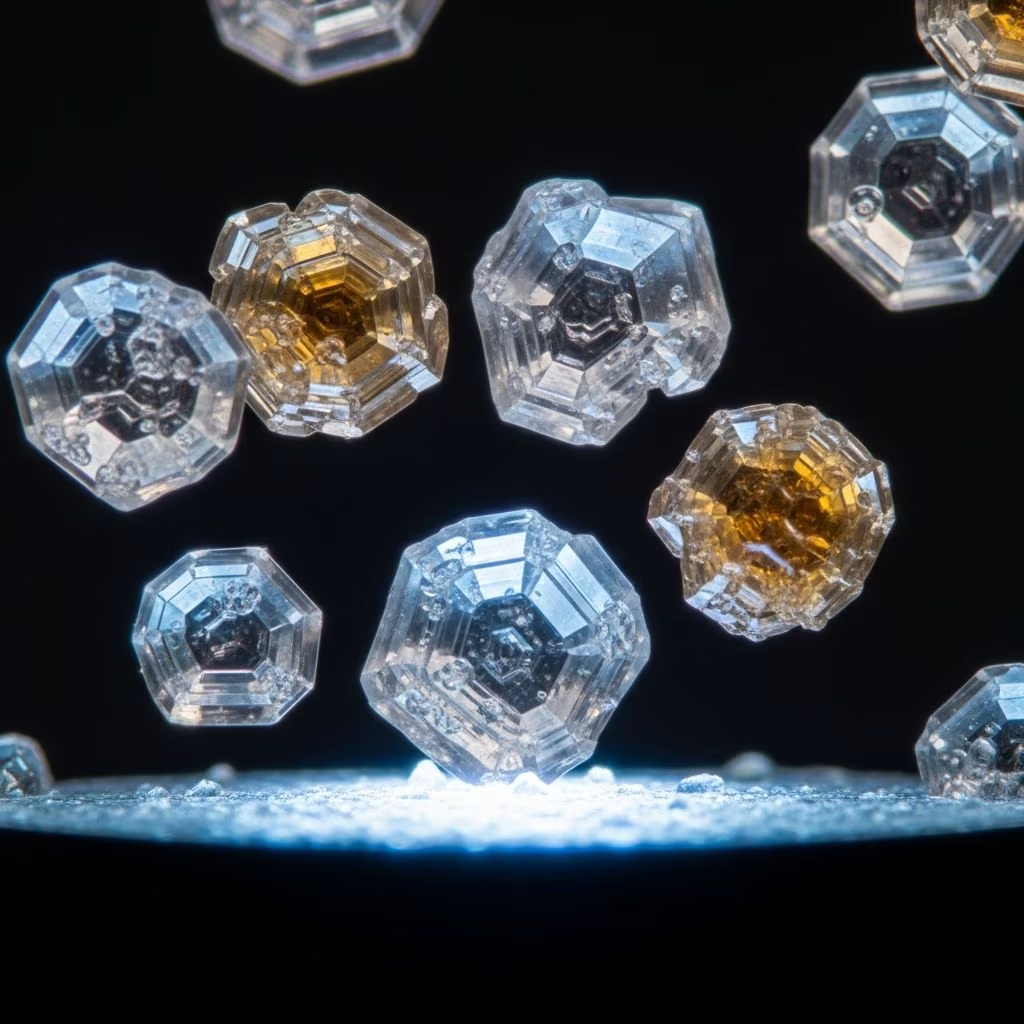
Urinary crystals form when minerals in a pet’s urine concentrate and solidify, potentially causing irritation, inflammation, or life-threatening blockages. These microscopic structures are common in both cats and dogs but become problematic when they aggregate, especially in male cats with narrower urethras.
Understanding the Formation of Urinary Crystals
Crystals develop from excess minerals such as magnesium, phosphate, calcium, or ammonium urate that exceed their solubility limits in urine. Factors like dehydration lead to highly concentrated urine, promoting crystallization. Abnormal urine pH—too acidic or alkaline—also plays a key role, as does diet rich in certain minerals.
In cats, crystals often link to feline lower urinary tract disease (FLUTD), encompassing inflammation and obstructions. Dogs may form crystals due to bacterial infections or liver issues, with struvite types tied to urease-producing bacteria that alkalinize urine.
- Dehydration: Reduces urine volume, concentrating minerals.
- Dietary Imbalances: High magnesium or phosphorus intake.
- Infections: Alter urine pH, fostering crystal growth.
- Genetics: Some breeds predisposed to specific types.
Common Types of Crystals Found in Pet Urine
Veterinarians identify crystals via urinalysis, noting shape and composition under microscopy. Each type signals different underlying issues and requires tailored management.
| Type | Appearance | Associated Conditions | Common in |
|---|---|---|---|
| Struvite (Magnesium Ammonium Phosphate) | Coffin-shaped | UTIs, alkaline urine | Cats, small-breed female dogs |
| Calcium Oxalate | Envelope or dumbbell-shaped | Acidic urine, high calcium | Cats, dogs |
| Ammonium Urate | Needle-like | Liver disease | Dogs |
| Bilirubin | Needles or stars | Liver issues, concentrated urine | Dogs, occasionally cats |
Struvite crystals thrive in alkaline environments from infections, while calcium oxalate prefers acidity. Not all crystals cause harm; some appear in healthy pets’ refrigerated samples due to cooling.
Recognizing Symptoms of Urinary Crystal Issues
Isolated crystalluria often produces no signs, as crystals pass unnoticed. Problems arise when they irritate tissues or form plugs/stones, mimicking urinary tract infections (UTIs).
- Frequent litter box visits with minimal urine.
- Straining or vocalizing during urination.
- Blood-tinged or cloudy urine.
- Urinating outside the box.
- Lethargy, appetite loss, or genital licking.
In male cats, obstructions manifest as repeated straining with no output—a veterinary emergency within hours, risking kidney failure or rupture.
Dogs show similar signs but less blockage risk due to wider urethras. Persistent symptoms beyond 24 hours warrant immediate care.
Diagnosis: How Vets Detect Crystals
Diagnosis starts with history, physical exam, and urinalysis to check pH, concentration, and crystal types. Bloodwork assesses kidney/liver function; imaging like X-rays or ultrasound reveals stones or blockages.
Fresh urine samples are crucial, as cooling induces artifactual crystals. Vets differentiate clinically significant crystalluria from benign findings.
Treatment Options for Pets with Crystals
Treatment targets crystal dissolution, underlying causes, and symptom relief. Mild cases may resolve with hydration and diet changes; severe ones need hospitalization.
- Fluid Therapy: Intravenous or subcutaneous fluids dilute urine.
- Prescription Diets: Acidify urine for struvite or balance minerals for oxalate.
- Medications: Antibiotics for infections, anti-inflammatories for pain.
- Procedures: Catheterization or surgery for obstructions/stones.
Struvite stones often dissolve medically in weeks; oxalate types may require surgery.
Preventing Recurrence of Urinary Crystals
Prevention emphasizes lifestyle and diet. Encourage water intake via fountains, wet food, or flavored water. Stress reduction through enrichment aids cats prone to FLUTD.
- Feed urinary health formulas as vet-recommended.
- Maintain ideal body weight to reduce risk.
- Regular vet check-ups with urinalysis.
- Prompt UTI treatment.
Male cats benefit from monitoring; some need lifelong diets.
Crystals in Cats vs. Dogs: Key Differences
| Aspect | Cats | Dogs |
|---|---|---|
| Blockage Risk | High (males) | Low |
| Common Types | Struvite, Oxalate | Struvite, Urate |
| Triggers | Stress, diet, dehydration | Infections, liver disease |
| Prevention Focus | Water intake, low-stress | UTI control, diet |
FAQs on Urinary Crystals in Pets
Are urinary crystals normal in pets?
Small amounts are common and harmless, especially in concentrated urine. Issues arise with excess or specific types.
Can diet cause crystals?
Yes, magnesium-rich dry foods increase risk. Switch to vet diets for prone pets.
What if my pet strains but produces urine?
Monitor closely; partial obstruction possible. Vet visit advised.
How urgent is no urine output?
Emergency—seek care immediately to prevent toxin buildup.
Do crystals always lead to stones?
No, but chronic cases heighten risk.
Long-Term Management Strategies
Post-treatment, regular monitoring prevents relapse. Annual urinalysis, weight management, and environmental enrichment are key. For recurrent cases, consider specialist referral.
Owners report success with increased moisture in diets—aim for 70% wet food. Track litter habits via apps for early detection.
References
- Crystals in Cat Urine: Why They Form and How Vets Treat Them — Partners Veterinary Wellness. Accessed 2026. https://partnersvetwl.com/crystals-in-cat-urine-why-they-form-and-how-vets-treat-them/
- Urinary Crystals and Stones in Dogs & Cats — Hill’s Pet Nutrition. Accessed 2026. https://www.hillspet.com.sg/pet-care/healthcare/dog-cat-urine-crystals-types-and-treatment
- Crystalluria in Cats — VCA Animal Hospitals. Accessed 2026. https://vcahospitals.com/know-your-pet/crystalluria-in-cats
- Struvite Bladder Stones in Dogs — Cornell University College of Veterinary Medicine. 2023. https://vet.cornell.edu/departments-centers-and-institutes/riney-canine-health-center/canine-health-topics/struvite-bladder-stones-dogs
- What You Need to Know About Urinary Crystals in Cats — Vetster. Accessed 2026. https://vetster.com/en/wellness/what-you-need-to-know-about-urinary-crystals-in-cats
- Urine Crystals and Bladder Stones in Cats — PetMD. Accessed 2026. https://www.petmd.com/cat/conditions/urinary/urine-crystals-and-bladder-stones-in-cats
- Crystals in Your Dog’s Urine: When Immediate Care is Needed — GSVS. Accessed 2026. https://gsvs.org/blog/crystals-dog-urine-emergency-care/



