

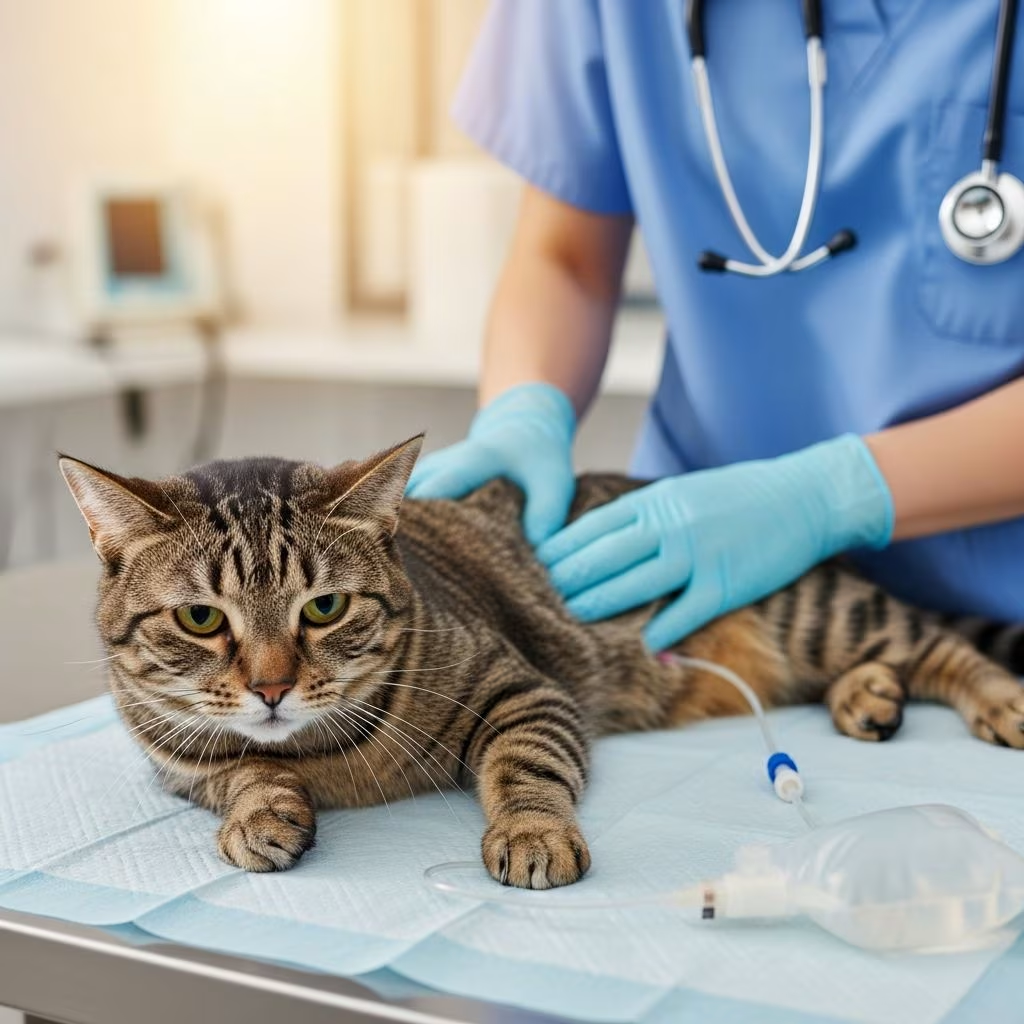
Urinary blockages represent one of the most serious health emergencies affecting companion animals, particularly cats. When the flow of urine becomes obstructed anywhere along the urinary tract, waste accumulates in the body and potentially toxic substances build up at dangerous levels. Without rapid veterinary intervention, a blocked pet can suffer organ damage, cardiac complications, or even death within days. Understanding the warning signs and knowing how to respond can mean the difference between a successful recovery and a life-threatening crisis.
Understanding Urinary Obstruction: Definition and Scope
A urinary obstruction occurs when something prevents urine from flowing normally out of the body. This blockage can develop in the urethra (the tube that carries urine from the bladder), the bladder itself, or the ureters (tubes connecting the kidneys to the bladder). Urethral obstruction is the most common type in companion animals, occurring when debris, crystals, stones, or tissue inflammation narrows or completely closes the passageway. While both dogs and cats can experience this condition, male animals face significantly higher risk due to their anatomical differences—the male urethra is longer and narrower than the female urethra, making blockages more likely.
The severity of an obstruction determines how quickly symptoms develop and how critical the situation becomes. A partial blockage may cause discomfort and difficulty urinating, while a complete blockage represents an immediate life-threatening emergency requiring intervention within hours.
Recognizing the Warning Signs
Pet owners must become familiar with the clinical signs of urinary obstruction, as early recognition dramatically improves treatment outcomes. Cats and dogs experiencing urinary problems typically display a cluster of behavioral and physical changes.
Primary Symptoms to Monitor
- Straining during urination – The pet attempts to urinate frequently but produces little to no urine, or only small amounts. Owners sometimes mistake this straining for difficulty with bowel movements.
- Increased frequency of bathroom trips – More frequent visits to the litter box or outdoor bathroom areas, often with minimal results.
- Changes in urination location – Cats may urinate outside the litter box in unusual places like bathtubs, sinks, or on tile flooring.
- Visible discomfort – Crying, vocalization, or signs of pain during or after attempting to urinate.
- Excessive genital licking – The pet may groom the urinary area repeatedly due to discomfort or irritation.
- Hematuria – Blood visible in the urine, indicating trauma or inflammation within the urinary tract.
Systemic Symptoms Indicating Progression
As an obstruction persists and toxins accumulate, more serious systemic signs emerge:
- Vomiting and loss of appetite
- Lethargy and weakness, appearing unusually tired or depressed
- Hiding behavior or reluctance to move
- Hypothermia or feeling cold to the touch
- Abdominal pain or distension, visible as a swollen belly
On physical examination, veterinarians typically find a distended and painful bladder upon palpation. In male animals, the penis may appear reddened, purple, or traumatized, with visible obstructive material sometimes visible in the urethral opening.
Causes and Contributing Factors
Multiple factors can contribute to the development of urinary obstructions in companion animals. Understanding these causes helps pet owners implement preventive strategies.
Physical Obstructions
Urinary calculi (stones) represent the most common physical cause. These mineral deposits form in the bladder and can travel into the urethra, where they lodge and block urine flow. Different types of stones develop based on diet, water consumption, and the pet’s individual metabolism.
Mucus plugs develop when concentrated urine combines with cellular debris and inflammatory material, forming a semi-solid mass that can obstruct the urethra.
Inflammatory and Functional Causes
Feline idiopathic cystitis (FIC) and feline lower urinary tract disease (FLUTD) describe inflammatory conditions affecting the bladder and urethra without a specific identifiable cause. These conditions cause swelling and spasm of the urethral tissues, narrowing the passageway and impeding urine flow.
Risk Factors
| Risk Factor | Impact on Obstruction Risk |
|---|---|
| Male sex | Significantly higher risk due to narrow, lengthy urethra |
| Age | Middle-aged and older animals experience higher incidence |
| Low water intake | Concentrated urine promotes crystal and stone formation |
| Dry food diet | Associated with higher risk compared to wet food diets |
| Obesity | May contribute to metabolic factors favoring obstruction |
| Indoor lifestyle | Stress and inactivity may increase risk in some animals |
Why Prompt Treatment Is Critical
When urine cannot flow normally, it backs up into the kidneys and the blood becomes increasingly toxic. Hyperkalemia (dangerously elevated potassium levels) develops as kidneys fail to filter waste, and potassium accumulates to levels that disrupt heart rhythm. With complete urethral obstruction, signs of uremia develop rapidly, including vomiting, dehydration, hypothermia, and severe depression. Cardiac arrhythmias or bradycardia can occur, particularly when plasma potassium concentration exceeds 7 mEq/L.
Kidney tissue undergoes damage from backed-up pressure and toxic accumulation. Bladder rupture becomes possible if pressure builds unchecked. The longer treatment is delayed, the higher the risk of irreversible organ damage or death.
Emergency Diagnostic Procedures
When a pet presents with suspected urinary obstruction, veterinarians perform several diagnostic tests to confirm the condition and assess organ function.
Physical Examination Findings
The veterinarian palpates the bladder, which feels distended and painful in obstructed animals. In dogs, rectal examination may reveal a palpable obstruction within the pelvic urethra from a stone or mass. Visual inspection of the penis in males may show redness, discoloration, trauma, or visible obstructive material.
Laboratory Testing
Blood tests assess kidney function, electrolyte levels (particularly potassium), and acid-base balance. Urinalysis examines urine composition for crystals, blood, bacteria, and other abnormalities. These results guide initial stabilization and treatment decisions.
Imaging Studies
Radiographs may visualize radiopaque stones, while ultrasound evaluates bladder size, wall thickness, kidney architecture, and hydration status. These imaging modalities help confirm obstruction location and severity.
Emergency Treatment Protocols
Treatment involves a two-pronged approach: stabilizing the patient’s condition and relieving the obstruction itself. The sequence and intensity of interventions depend on the pet’s current status and severity of metabolic derangements.
Initial Stabilization
Intravenous fluid therapy forms the foundation of emergency care. IV crystalloid fluids are administered at rates of 10 to 20 mL/kg per hour, with adjustment as the patient stabilizes and urethral patency is restored. Balanced electrolyte solutions are preferred for correcting acid-base imbalances. This aggressive fluid administration dilutes toxins, corrects dehydration, and begins restoring kidney perfusion.
For cats with severe hyperkalemia causing cardiac instability, calcium gluconate is the treatment of choice. This medication is administered intravenously at 0.5 to 1 mL/kg over 2 to 3 minutes while continuously monitoring heart rhythm. Calcium protects the heart from the dangerous effects of elevated potassium but does not reduce potassium levels—it buys time for other treatments to work.
Insulin with glucose administration also helps shift potassium into cells, reducing blood levels in animals with moderate to severe hyperkalemia.
Obstruction Relief
Urinary catheterization represents the primary method for relieving obstruction. A sterile catheter is inserted through the urethra into the bladder under sedation or anesthesia, bypassing the blockage and allowing urine to drain. This procedure can be technically challenging, and complications such as urethral tearing or bladder rupture are possible.
For most cats, the catheter is sutured in place and left indwelling for three to five days. This extended placement allows continued monitoring, inflammation reduction, and verification that the urethra remains patent before removal.
If initial catheterization attempts fail, therapeutic cystocentesis may be performed, where a needle is passed through the abdominal wall directly into the bladder to relieve immediate pressure while the pet is managed medically.
Supportive Medications
Pain management is essential and often overlooked. Opioid derivatives such as buprenorphine provide effective analgesia. Analgesics should continue for 5 to 7 days after obstruction relief.
Anti-inflammatory medications and muscle relaxants ease discomfort and reduce urethral spasms, improving urine flow. In some cases, medications such as prazosin or tamsulosin relax urethral smooth muscle, facilitating urine passage.
Broad-spectrum antibiotics are often prescribed to prevent or treat secondary infection, particularly important during the catheterization period.
Post-Obstruction Recovery and Management
Immediate Post-Relief Monitoring
After successful obstruction relief, close monitoring continues. The veterinary team measures urine output and adjusts IV fluid administration using an “ins and outs” protocol—replacing hourly urine volume plus 20 mL/kg/day for insensible losses. This careful approach prevents negative fluid balance and supports kidney function recovery.
Blood work is rechecked to verify that kidney values and electrolyte concentrations are normalizing. Once urine becomes clear and recheck laboratory values improve, the urinary catheter can be removed. The pet is then observed for an additional 12 to 24 hours to ensure spontaneous urination resumes and another blockage does not develop.
Long-Term Dietary Management
Prescription diets are typically recommended for life to prevent future crystal formation and promote bladder health by altering urine pH. The specific diet composition depends on stone type and individual factors.
Increased water intake is encouraged through multiple strategies: providing canned or wet food diets, installing cat water fountains or waterers that encourage drinking, and ensuring fresh water is always accessible. Increased hydration dilutes urine, reducing the concentration of substances that form crystals and stones.
Environmental and Behavioral Modifications
Since stress contributes to FLUTD and FIC, environmental enrichment reduces recurrence risk. Recommendations include:
- Providing vertical perches and hiding places for cats
- Improving litter box hygiene and increasing the number of boxes (one per cat plus one extra is recommended)
- Reducing stressors and increasing contact time between cat and owner
- Using pheromone products such as Feliway to promote calm
- Encouraging natural hunting behaviors through play and interactive toys
Surgical Intervention for Recurrent Obstructions
While medical management is the standard of care for most cases, some pets require surgical intervention. Perineal urethrostomy (PU surgery) is a reconstructive procedure that widens the urethral opening in male cats, creating an opening similar to the anatomy of female cats. This reduces future blockage risk by enlarging the passageway where obstructions typically lodge.
PU surgery is recommended for cats with chronic or recurrent urinary obstructions, particularly those with previous obstruction history or bladder stones. However, the procedure comes with risks and will not prevent future episodes of FLUTD or FIC. Veterinarians help individual pet owners determine whether surgery is appropriate based on the pet’s specific situation.
Cystotomy involves surgical opening of the bladder to remove stones directly. This procedure is performed when stones are numerous, large, or unlikely to dissolve with medical management.
Frequently Asked Questions
How quickly can urinary obstruction become life-threatening?
Complete urethral obstruction creates a medical emergency. With total blockage, signs of uremia and dangerous electrolyte imbalances can develop rapidly—within hours to days. Immediate veterinary care is essential.
Can a partially blocked pet wait for a regular veterinary appointment?
No. Any suspected urinary obstruction requires emergency evaluation. Even partial blockages can progress to complete obstruction, and the risk of serious complications increases with time.
What is the survival rate for treated urinary obstruction?
With prompt treatment, most pets recover successfully. In one medical protocol, 73% of cats achieved spontaneous urination within 72 hours of treatment initiation. Early intervention and appropriate care significantly improve outcomes.
Is urinary obstruction preventable?
While obstruction cannot be completely prevented in genetically predisposed animals, risk reduction is possible through increased water intake, appropriate diet, weight management, and stress reduction—particularly in cats prone to FLUTD.
Will my pet have another obstruction?
Recurrence risk varies based on the underlying cause. Medical management, dietary adjustments, and environmental modifications reduce recurrence, but some pets experience repeated episodes despite prevention efforts.
Conclusion: Taking Action
Urinary obstruction represents a true veterinary emergency demanding immediate recognition and treatment. Pet owners who understand the warning signs—straining to urinate, frequent litter box visits with minimal output, crying during urination, and vomiting—can seek help quickly. When suspected, contacting an emergency veterinary clinic immediately should not be delayed. The difference between prompt treatment and delayed intervention can determine whether a pet makes a full recovery or suffers permanent organ damage. Combined with long-term preventive care including appropriate diet, increased hydration, and stress management, many pets at risk for obstruction can live healthy lives with minimal future episodes.
References
- Urinary Blockages in Male Cats: Signs, Causes, and Treatment — Fountain Valley Emergency Pet Hospital. https://fvpetemergency.com/urinary-blockages-in-male-cats-signs-causes-and-treatment/
- Obstructive Uropathy in Dogs and Cats – Urinary System — Merck Veterinary Manual. https://www.merckvetmanual.com/urinary-system/noninfectious-diseases-of-the-urinary-system-in-small-animals/obstructive-uropathy-in-dogs-and-cats
- Urinary Tract Blockage in Cats – PetMD — PetMD. https://www.petmd.com/cat/conditions/urinary/urinary-tract-blockage-cats
- Feline Urethral Obstruction: Diagnosis & Management — Today’s Veterinary Practice. https://todaysveterinarypractice.com/urology-renal-medicine/feline-urethral-obstruction-diagnosis-management/
- Urinary Blockage in Cats and Dogs — Union Lake Veterinary Hospital. https://unionlakeveterinaryhospital.com/blog/urinary-blockage-in-cats-and-dogs



