
Urinary Blockages In Pets: Emergency Guide For Owners
Essential guide to recognizing, treating, and preventing life-threatening urinary obstructions in dogs and cats for pet owners and vets.
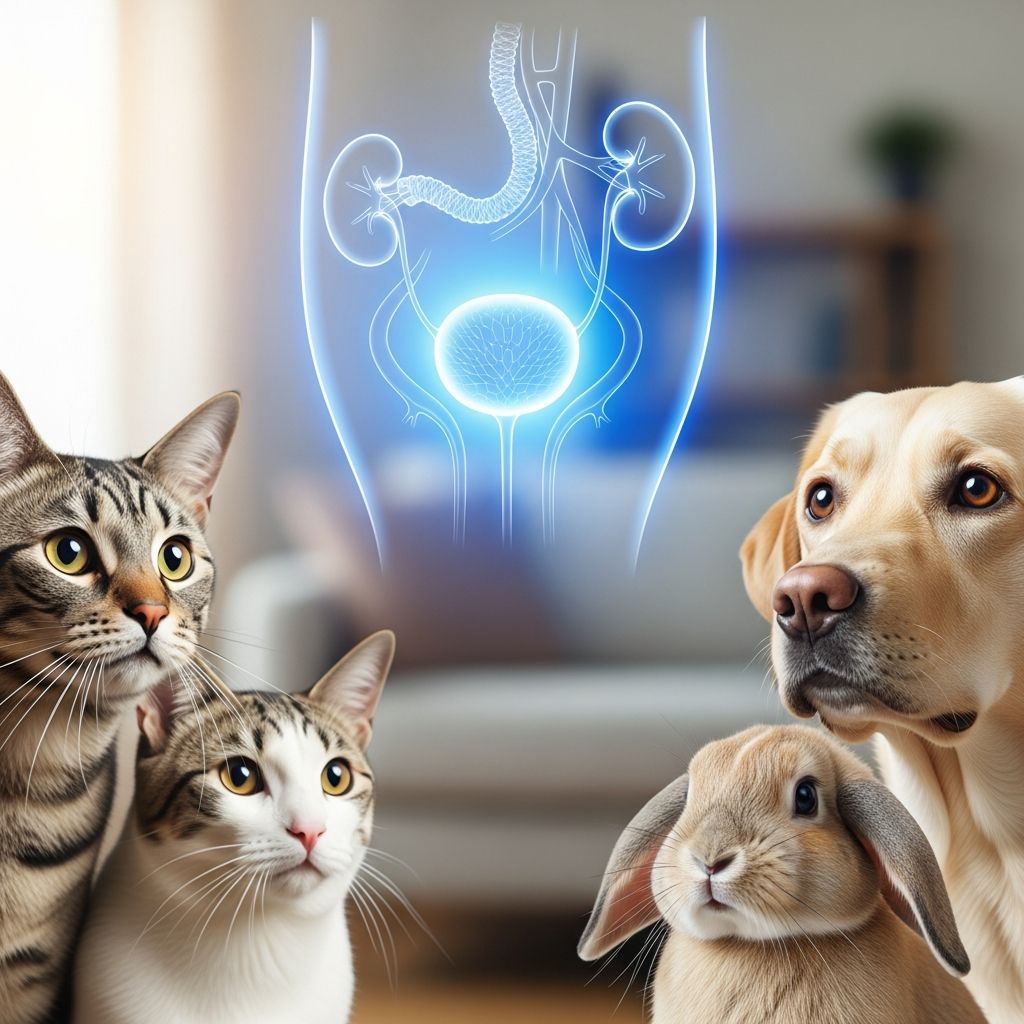
Urinary blockages represent one of the most critical conditions encountered in small animal practice, particularly affecting male dogs and cats due to their narrower urethras. These obstructions prevent normal urine flow, leading to rapid accumulation of toxins that can cause kidney failure, heart arrhythmias, and death if not addressed promptly. Understanding the underlying mechanisms, clinical presentations, and treatment protocols is vital for veterinarians and pet owners alike.
Why Urinary Obstructions Occur in Dogs and Cats
The urinary system in pets relies on a clear pathway from the kidneys through the ureters, bladder, and urethra to expel waste. Blockages most frequently happen in the urethra, the final segment. In cats, common culprits include mucous plugs, crystalline debris, and idiopathic spasms linked to feline lower urinary tract disease (FLUTD). Statistics indicate that 18% to 58% of FLUTD cases involve obstruction, despite preventive measures like dietary changes and stress reduction.
Dogs face different primary threats: uroliths (bladder or urethral stones) dominate, often lodging at narrow points like the os penis or ischial arch. Additional factors encompass tumors, prostate enlargement in intact males, traumatic injuries, or hernias displacing the bladder. Both species experience recurrent episodes if root causes persist untreated.
- Cats: Mucus/crystal plugs (most common), stones, strictures from prior events, rare tumors.
- Dogs: Uroliths (primary), neoplasia, prostatic issues, trauma, perineal hernias.
Recognizing the Warning Signs
Pet owners often notice subtle changes escalating to emergencies. The hallmark is stranguria—painful straining without urine production—frequently mistaken for constipation in cats. Accompanying signs include vocalizing during attempts to urinate, blood-tinged urine (hematuria), frequent small-volume urination (pollakiuria), and inappropriate elimination (periuria).
Advanced stages bring systemic distress: lethargy, vomiting, abdominal pain from a distended bladder, and collapse. In cats, a palpably enlarged bladder that doesn’t express urine confirms suspicion. Dogs may show similar but with added prostate-related symptoms like bloody discharge. Time is critical; within 24 hours, azotemia (elevated blood urea), hyperkalemia (high potassium disrupting heart rhythm), acidosis, and hyperphosphatemia emerge.
| Symptom | Cats | Dogs |
|---|---|---|
| Straining to Urinate | Common, often confused with defecation issues | Frequent, with possible prostate signs |
| Blood in Urine | May be microscopic | Grossly visible if prostatic |
| Behavioral Changes | Hiding, aggression when touched | Pacing, restlessness |
| Physical Findings | Firm, painful bladder | Enlarged prostate in males |
Immediate Stabilization: First Steps in the Clinic
Upon presentation, prioritize life-saving measures. Intravenous fluids correct dehydration and flush toxins, while monitoring electrolytes is essential—hyperkalemia demands urgent intervention to avert cardiac arrest. Pain management uses opioids like buprenorphine combined with benzodiazepines, avoiding ketamine in renal-compromised cats due to its clearance pathway.
Sedation facilitates diagnostics: rectal exams in dogs aid catheter guidance, and bloodwork reveals azotemia severity. Imaging—radiographs or ultrasound—identifies stone locations or bladder distension.
Restoring Urine Flow: Catheterization Techniques
Primary relief involves relieving the blockage. For cats, lubricate a flexible catheter with lidocaine, advance retrograde while flushing saline to dislodge plugs. If needed, percutaneous cystocentesis decompresses the bladder first. Dogs require stiffer catheters; rectal occlusion builds hydropulsion pressure.
Post-relief, connect to closed drainage to prevent re-obstruction. Indications for prolonged catheterization: poor urine stream post-flush, severe azotemia, or heavy sediment. Risks include urinary tract infections (UTIs), inflammation, and strictures, necessitating antibiotics and monitoring.
Surgical Solutions for Persistent or Recurrent Cases
When medical relief fails or recurs, surgery intervenes. In cats, perineal urethrostomy widens the urethra by bypassing the narrow penile segment, ideal for plug/stone recurrences. Pre-op urethrography ensures no proximal issues. Complications: hemorrhage (10-33%), UTIs, strictures requiring follow-up cultures.
Dogs benefit from scrotal urethrostomy for os penis stones, tumors, or strictures. Performed in dorsal recumbency, it accesses the wider scrotal urethra. Alternatives like tube cystostomy provide temporary bladder drainage, stabilizing for further care. Novel techniques minimize bleeding via direct os penis incisions.
Post-Treatment Care and Monitoring
Recovery demands vigilance. Hospitalization includes IV fluids, anti-inflammatories, and serial bloodwork. Discharge protocols: prescription diets dissolving struvite stones, increased water intake, environmental enrichment to curb stress-induced FLUTD.
Long-term, urinalysis and cultures every 3-6 months detect UTIs early. Neutering prevents prostatic issues in dogs. Recurrence rates drop with adherence, but strictures or neoplasia may necessitate referral.
Prevention Strategies for Pet Owners
Proactive steps reduce risks. For cats: wet food diets, multiple litter boxes, pheromone diffusers for stress. Dogs: breed-specific stone prevention (e.g., Dalmatians for urate), regular prostate checks in intact males. Annual wellness exams catch early urolithiasis via imaging.
- Hydration promotion: fountains, broth additives.
- Dietary management: acidifying foods for struvite, alkalizing for oxalate.
- Weight control: obesity exacerbates FLUTD.
FAQs on Urinary Blockages in Pets
What should I do if my cat is straining but not urinating?
Seek emergency vet care immediately—blockages can kill within 48 hours.
Can female pets get urinary obstructions?
Rarely, due to shorter urethras, but possible with stones or tumors.
How much does surgical treatment cost?
Varies by case; catheterization ~$500-1000, surgery $2000-5000+, excluding aftercare.
Will my pet fully recover after unblocking?
Most do with prompt care, but recurrences require lifestyle changes.
Are there home remedies for urinary issues?
No—delays worsen outcomes. Consult vets for tailored prevention.
Advanced Considerations: Ureteral vs. Urethral Issues
While urethral dominates, ureteral obstructions (kidney-to-bladder) from stones or strictures demand specialized endoscopy or stenting, shifting from traditional surgeries. Multispecialty approaches improve outcomes in complex cases.
References
- Urethral obstruction in dogs and cats — Vet Times, Alastair Mather and Jon Hall. 2019-08-19. https://www.vettimes.com/clinical/small-animal/urethral-obstruction-in-dogs-and-cats-cpdurology
- Veterinary Urinary Obstruction: Treatment Measures — Clinician’s Brief. 2011-09. https://www.cliniciansbrief.com/article/urinary-obstruction-treatment-measures
- Ureteral obstructions in dogs and cats: a review — PubMed / Veterinary Emergency and Critical Care Society. 2011. https://pubmed.ncbi.nlm.nih.gov/21463437/
- Urinary Obstruction — University of Florida Small Animal Hospital (.edu). Accessed 2026. https://smallanimal.vethospital.ufl.edu/clinical-services/emergency-critical-care/urinary-obstruction/
- Urinary Blockage in Cats and Dogs — Union Lake Veterinary Hospital. Accessed 2026. https://unionlakeveterinaryhospital.com/blog/urinary-blockage-in-cats-and-dogs
Similar Articles








Read full bio of medha deb


