
Eye Emergencies In Pets: Urgent Guide For Owners
Rapid recognition and intervention for vision-threatening eye conditions in dogs and cats to safeguard sight and comfort.
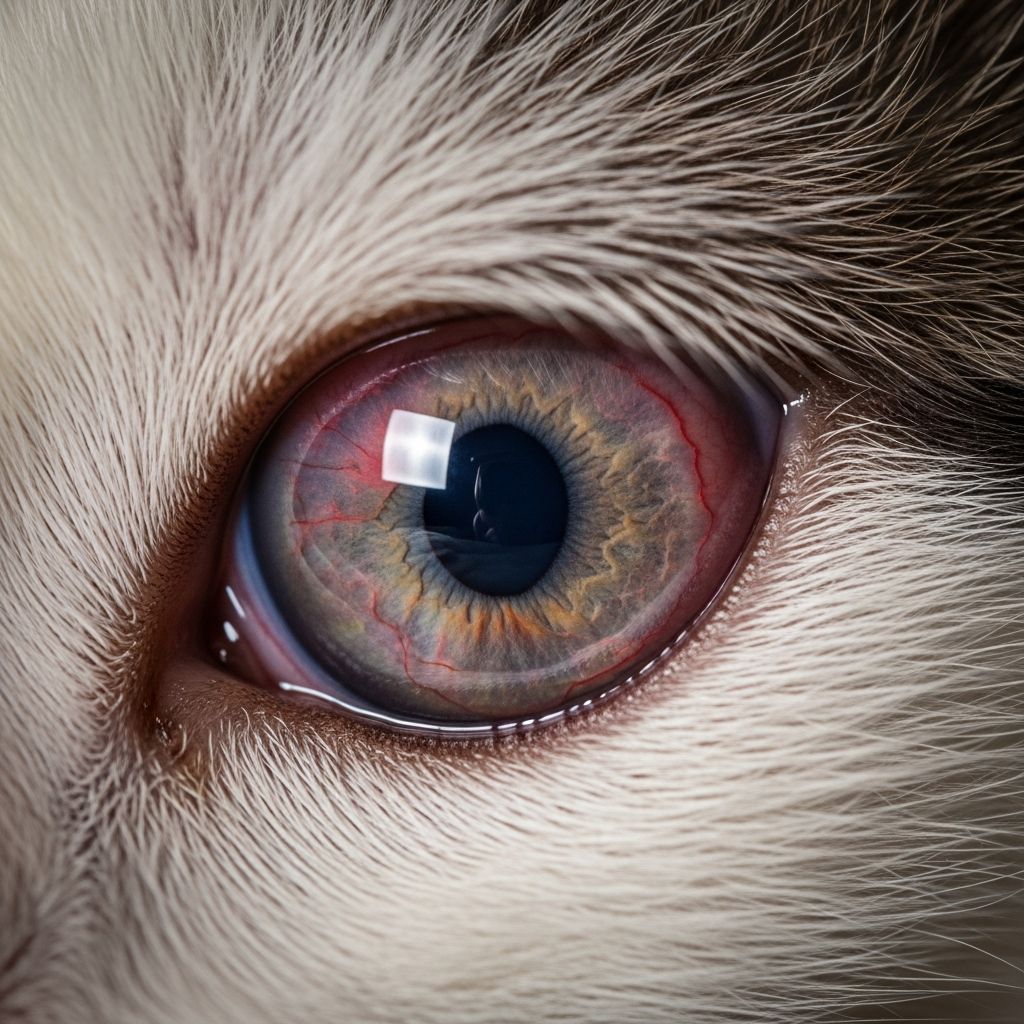
Eye problems in dogs and cats can escalate quickly, turning minor irritations into vision-ending disasters if not addressed promptly. These crises demand swift assessment to protect the pet’s sight and alleviate suffering, as overlapping symptoms often mask the underlying severity.
Spotting the Warning Signs Early
Pet owners frequently notice initial clues like redness, excessive tearing, squinting, or a cloudy cornea, which signal potential trouble. Other red flags include a protruding eye, sudden reluctance to navigate familiar spaces indicating blindness, or pawing at the face. These manifestations stem from conditions ranging from infections to trauma, and pets’ stoic nature means symptoms may appear only after significant damage.
- Redness or bloodshot appearance: Often points to inflammation or pressure buildup inside the eye.
- Cloudiness: Could indicate ulcers, cataracts advancing rapidly, or swelling from acute issues.
- Pain behaviors: Squinting, head tilting, or aggression when touched near the eye.
- Vision changes: Bumping into objects or dilated pupils unresponsive to light.
- Discharge: Thick, colored material suggesting infection or blocked tear ducts.
Conducting an exam in low light with a strong focal light helps reveal subtle details like pupil irregularities or corneal defects, essential for accurate triage.
Key Ophthalmic Threats Requiring Immediate Action
Certain conditions stand out as true urgencies due to their potential for irreversible harm within hours. General practitioners must triage these to decide on stabilization, referral, or surgical needs.
Acute Glaucoma: The Pressure Crisis
This condition arises when intraocular pressure spikes, compressing the optic nerve and retina, often leading to blindness if untreated. Breeds like Cocker Spaniels and Basset Hounds face higher risks due to genetic drainage issues. Symptoms hit suddenly: a widened pupil, hazy cornea, and intense pain causing restlessness.
Treatment starts with pressure-lowering drops like mannitol intravenously or topical agents to buy time, but specialist intervention is vital as delays beyond hours worsen outcomes dramatically. Differentiate from chronic forms by the acute onset and lack of prior globe enlargement.
Globe Proptosis: When the Eye Pops Out
Common in brachycephalic breeds from trauma or excessive orbital fat, this involves the eyeball shifting forward dramatically. Shallow sockets exacerbate vulnerability in Pugs or Shih Tzus. Immediate risks include optic nerve damage, corneal exposure, and shock.
Stabilize by gently repositioning if viable, protecting the cornea with lubrication, and administering systemic anti-inflammatories. Prognosis hinges on pre-existing damage; severely compromised eyes may require removal to end pain, followed by cosmetic considerations.
Lens Luxation: A Slipping Lens Emergency
The lens detaches from its zonules, shifting anteriorly or posteriorly, blocking fluid flow and spiking pressure. Terriers, especially Jack Russells, inherit weak zonules making this a breed hallmark. Signs mimic glaucoma: pain, cloudiness, and iris tremble.
Urgent surgical extraction offers the best vision salvage chance, as medical management fails long-term. Contralateral eye monitoring and prophylactic meds prevent bilateral loss. Secondary forms from trauma or uveitis demand addressing root causes.
Deep Corneal Ulcers: Erosion Threats
These penetrating wounds from scratches, foreign bodies, or dry eye expose deeper layers, risking rupture or infection. Boxers and breeds with prominent eyes suffer more. Fluorescein staining confirms defects glowing green under blue light.
Avoid steroids initially; use protective collars, antibiotics, and pain relief. Surgical options like grafts apply for non-healing lesions.
Diagnostic Essentials in the Clinic
Beyond history and observation, targeted tests pinpoint issues without delay.
| Test | Purpose | Key Findings |
|---|---|---|
| Tonometry | Measures eye pressure | >25 mmHg suggests glaucoma |
| Fluorescein Stain | Detects ulcers | Green uptake on cornea |
| Schirmer Tear Test | Assesses tear production | <5 mm/min indicates dry eye |
| Gonioscopy | Views drainage angles | Narrow angles predict glaucoma |
| Fundoscopy | Examines retina | Detachment or hemorrhage |
These confirm or rule out ulcers, pressure anomalies, or tears before medicating, preventing exacerbation.
First-Line Stabilization Protocols
While preparing for referral, control pain with safe analgesics, shield the eye from rubbing via e-collars, and apply broad-spectrum antibiotic ointments judiciously. Darken the environment to ease photophobia, and withhold NSAIDs or steroids until ulceration is excluded.
For proptosis, ice compresses reduce swelling pre-repositioning. Glaucoma demands rapid pressure reduction to preserve neural tissue. Hydration and antiemetics address secondary nausea from pain.
When to Escalate to Specialists
Not all cases need immediate surgery, but true emergencies like luxations or acute glaucoma benefit from boarded ophthalmologists. General vets handle initial corneal issues or mild uveitis, but refer if vision hangs in balance or surgery looms. Post-trauma follow-ups assess for hidden complications like retinal tears.
Preventive Strategies for At-Risk Pets
Breeds prone to zonular weakness need annual exams; miotics stabilize lenses prophylactically. Brachycephalics gain from eyelid tucks reducing proptosis risk. Routine tear tests catch keratoconjunctivitis sicca early, averting ulcers.
Trauma prevention via leashing, goggles for rough play, and prompt foreign body removal curbs many crises.
Frequently Asked Questions (FAQs)
What should I do if my dog’s eye suddenly bulges?
Keep calm, cover loosely with a clean damp cloth, and rush to an emergency vet. Do not force it back; professional repositioning is key.
Can home remedies treat red pet eyes?
No—saline rinses clean but won’t address root causes like ulcers or glaucoma. Vet evaluation prevents worsening.
How fast does glaucoma blind a pet?
Untreated acute cases can destroy vision in 12-48 hours; intervene immediately for hope.
Is surgery always needed for lens luxation?
Yes, extraction is standard for anterior shifts to avert glaucoma and pain.
What breeds face highest eye emergency risks?
Brachycephalics (Pugs, Bulldogs), Terriers (Jack Russells), and Spaniels.
Long-Term Management and Monitoring
Survivors require diligent follow-up: pressure checks, anti-inflammatory courses, and contralateral prophylaxis. Vision loss in one eye heightens contralateral vigilance. Owners learn to spot recurrences early, ensuring sustained quality of life.
References
- Ocular Emergencies in Small Animal Patients — PubMed/NCBI. 2020-08. https://pubmed.ncbi.nlm.nih.gov/32854977/
- What is an ophthalmic emergency and what to do with it (Proceedings) — dvm360. N/A. https://www.dvm360.com/view/what-ophthalmic-emergency-and-what-do-with-it-proceedings
- Eye Emergencies in Pets | VetCheck Pet Urgent Care Center — VetCheck Wesley Chapel. N/A. https://www.vetcheckforpetswesleychapel.com/blog/eye-emergencies-in-pets-vetcheck-pet-urgent-care-center
Similar Articles








Read full bio of medha deb


