

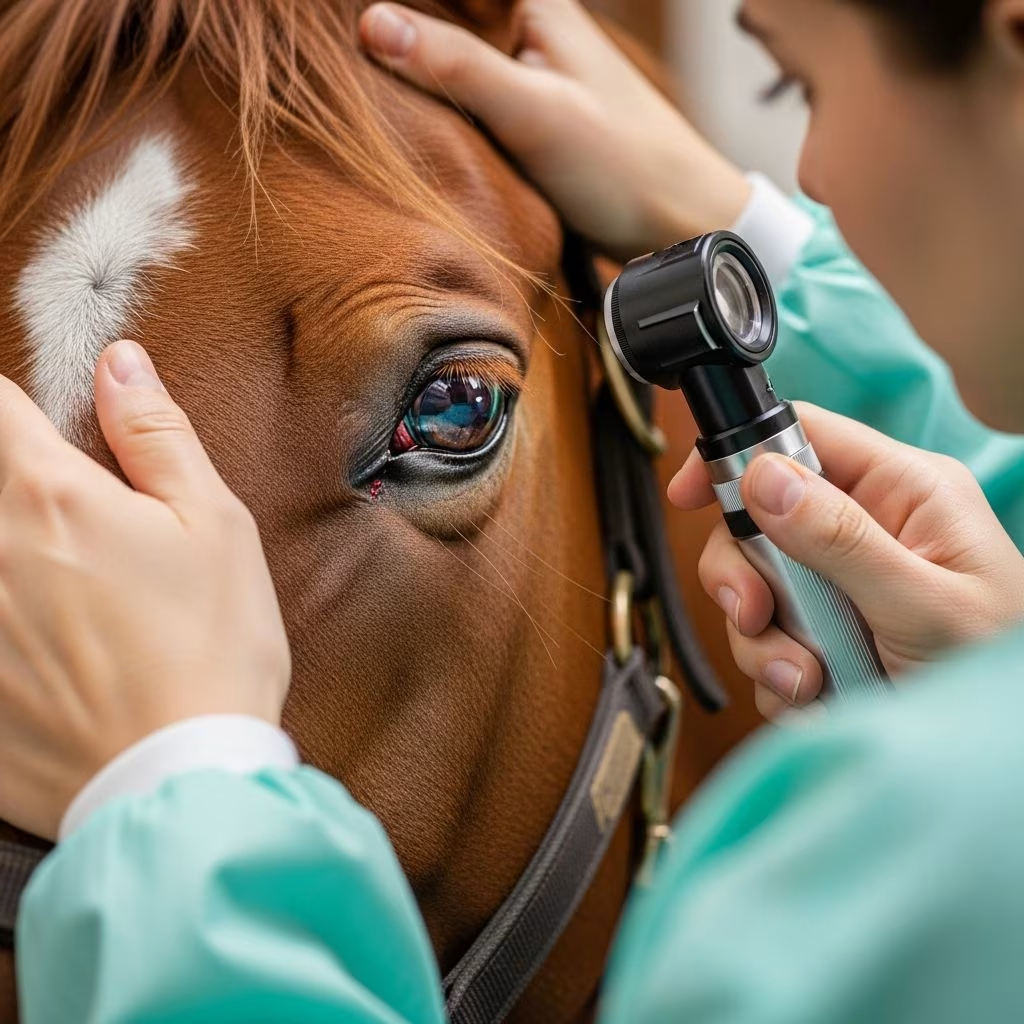
Horses facing sudden eye problems demand immediate veterinary attention to avert permanent damage or vision loss. These conditions, ranging from surface injuries to deep internal inflammations, can escalate rapidly due to the eye’s vulnerability in large animals active in rugged environments.
Recognizing Critical Signs of Ocular Distress
Owners and handlers must spot early indicators of eye trouble. Common alerts include excessive tearing, squinting against light, cloudiness over the cornea, redness around the eye, or visible wounds. Behavioral shifts like head tilting or reluctance to move in familiar spaces signal discomfort. Any abrupt change warrants urgent evaluation, as delays heighten risks of complications like infection spread or tissue scarring.
In field settings, initial checks involve gently parting eyelids to inspect for foreign objects, swelling, or discharge color—clear suggests irritation, while pus-like points to bacterial involvement. Avoid self-treatment beyond basic flushing with sterile saline, as improper handling can worsen issues.
Handling Trauma Around the Eye Area
Periocular injuries from kicks, branches, or collisions often cause dramatic swelling and bruising. These demand quick action to curb inflammation and infection. Primary therapy focuses on broad-spectrum pain relief using non-steroidal anti-inflammatory drugs (NSAIDs) like flunixin meglumine at 1.1 mg/kg IV or orally every 12 hours. In extreme swelling, short-term systemic corticosteroids may supplement, but only under veterinary guidance to balance benefits against risks like gut ulcers.
Cleaning lacerations requires sterile technique: irrigate with balanced salt solution, apply topical antiseptics, and suture if needed. Protect the area with padded bandages to prevent self-trauma. Monitor for abscess formation, which might necessitate drainage and antibiotics.
Managing Corneal Surface Defects
Corneal ulcers—abrasions breaching the outer layer—pose severe threats due to exposure and bacterial invasion potential. Fluorescein staining under blue light reveals defects as green uptake. Superficial ones heal in days with lubrication and protection, but deeper \”melting\” ulcers, fueled by enzymes from infection, require aggressive enzyme inhibition.
Treatment pillars include:
- Broad-spectrum antibiotics: Combine fluoroquinolones (e.g., ofloxacin) with aminoglycosides (tobramycin) or cephalosporins every 2-6 hours for full coverage.
- Antiproteases: EDTA 0.2%, autologous serum, or N-acetylcysteine 10% to neutralize destructive collagenases.
- Pain control: Atropine ointment every 12 hours for mydriasis and ciliary spasm relief.
- Systemic support: NSAIDs and tetanus prophylaxis.
For non-compliant patients or frequent dosing, install a subpalpebral lavage (SPL) system—a thin tube from upper eyelid to nostril for remote medication delivery. This proves invaluable, enabling round-the-clock care without stress.
Advanced Interventions for Persistent Ulcers
Refractory cases benefit from innovative techniques. Corneal cross-linking uses riboflavin drops activated by UVA light to fortify collagen bonds, applied weekly for 6 minutes. This halts melting and promotes stability without surgery. Amniotic membrane grafts provide biological scaffolding, reducing inflammation and aiding regeneration. Systemic antibiotics join once vascularization begins, ensuring deep penetration.
| Ulcer Type | Key Risks | Primary Treatments |
|---|---|---|
| Superficial | Infection, discomfort | Antibiotics, lubrication |
| Melting/Deep | Rupture, vision loss | Antiproteases, SPL, cross-linking |
| Stromal Abscess | Fungal ingress, scarring | Antifungals, debridement |
Intraocular Inflammation: Uveitis Protocols
Uveitis, inflammation inside the eye, stems from trauma, infection, or immune triggers like ERU (equine recurrent uveitis). Symptoms encompass episcleral injection, corneal edema, miosis, and hypopyon (pus in anterior chamber). Untreated, it breeds synechiae, cataracts, or glaucoma.
Stabilize the blood-ocular barrier swiftly. Core regimen:
- Topical steroids: Prednisolone acetate 1% every 6-8 hours, or combined NSAID-steroid drops.
- Cycloplegics: Atropine every 12 hours, tapered once dilated.
- Systemic NSAIDs: Flunixin for uveitic pain.
Frequency maintains until resolution, with intraocular pressure checks to rule out secondary glaucoma. Recurrence management involves immunosuppressants long-term.
Glaucoma and Pressure-Related Crises
Elevated intraocular pressure (IOP >30 mmHg) from uveitis or primary causes inflicts optic nerve damage. Measure via tonometry. Acute cases show mydriasis, corneal haze, and pain. Medical control uses topical beta-blockers (timolol), carbonic anhydrase inhibitors (dorzolamide), and prostaglandins, alongside hyperosmotic agents like mannitol IV. Refractory blindness prompts enucleation for welfare.
Globe Injuries: Blunt and Penetrating
Blunt force risks hyphema (blood in chamber) or lens dislocation; sharp trauma threatens iris prolapse or rupture. Stabilize with protective shields, NSAIDs, and antibiotics. Surgical repair via SPL-facilitated meds or vitrectomy preserves structure. Prognosis hinges on initial integrity.
Practical Delivery Systems for Therapy
SPL placement suits fractious horses or post-op cases. Insert trocar from conjunctiva over superior fornix to nasal exit, securing with sutures. This allows polypharmacy without direct handling, critical for 2-6 hourly dosing. Alternatives include collagen shields soaked in meds, dissolving over days.
Prevention Strategies for Eye Health
Proactive steps mitigate emergencies: regular grooming removes debris, fly masks block insects, stable design minimizes hazards. Annual ophthalmic exams catch subclinical issues, especially in breeds prone to ERU like Appaloosas. Vaccinations curb systemic infections spilling to eyes.
Prognostic Factors and Long-Term Outlook
Success rates soar with prompt care—90% ulcer resolution under intensive therapy. Poor signs include deepening ulcers, uncontrolled IOP, or fungal superinfection. Vision salvage demands owner commitment to regimens. Follow-ups assess healing via serial staining and ultrasound.
Frequently Asked Questions
What should I do if my horse squints one eye?
Dim lights, flush gently with saline, and call a vet immediately—don’t delay, as ulcers progress fast.
Can home remedies treat horse eye injuries?
No; only sterile vet-prescribed meds prevent worsening. Saline rinse aids temporarily.
How long does SPL stay in place?
Typically 2-6 weeks, removed once stable, with monitoring for infection.
Is surgery always needed for deep ulcers?
Not always; medical advances like cross-linking often suffice, reserving surgery for failures.
What breeds face higher eye risks?
Appaloosas and drafts, due to genetic uveitis predisposition.
Key Takeaways for Equine Eye Emergencies
- Prioritize rapid vet assessment for any ocular sign.
- Layer therapies: antibiotics, anti-inflammatories, antiproteases.
- SPL revolutionizes intensive care delivery.
- Prevention via environment beats cure.
References
- Ophthalmic Emergencies in Horses — Merck Veterinary Manual. 2023. https://www.merckvetmanual.com/emergency-medicine-and-critical-care/emergency-medicine-in-horses/ophthalmic-emergencies-in-horses
- Equine Eye Emergencies: Dr Dennis Brooks Treatment Guide — The Equine Practice Company. 2023. https://www.theequinepracticecompany.com/equine-eye-emergencies-treatment-dr-dennis-brooks/
- Equine Eye Emergencies — Coastline Veterinary Services. 2018-08-27. https://www.coastlinevs.com/single-post/2018/08/27/equine-eye-emergencies
- Ophthalmic Emergencies — Bristol Veterinary Service. 2023. https://bristolvetservice.com/ophthalmic-emergencies/
- Common Equine Eye Conditions — American Association of Equine Practitioners (AAEP). 2023. https://aaep.org/post/common-equine-eye-conditions/
- Caring For Urgent Horse Eye Issues — Tennessee Equine Hospital. 2023. https://www.tnequinehospital.com/services/equine/horse-eye-care
- Ophthalmic emergencies in horses — PubMed (Veterinary Clinics of North America: Equine Practice). 2007-04. https://pubmed.ncbi.nlm.nih.gov/17379109/



