
Equine Emergencies: Essential Interventions For Owners
Master critical response techniques for horses facing life-threatening crises to enhance survival rates and recovery.
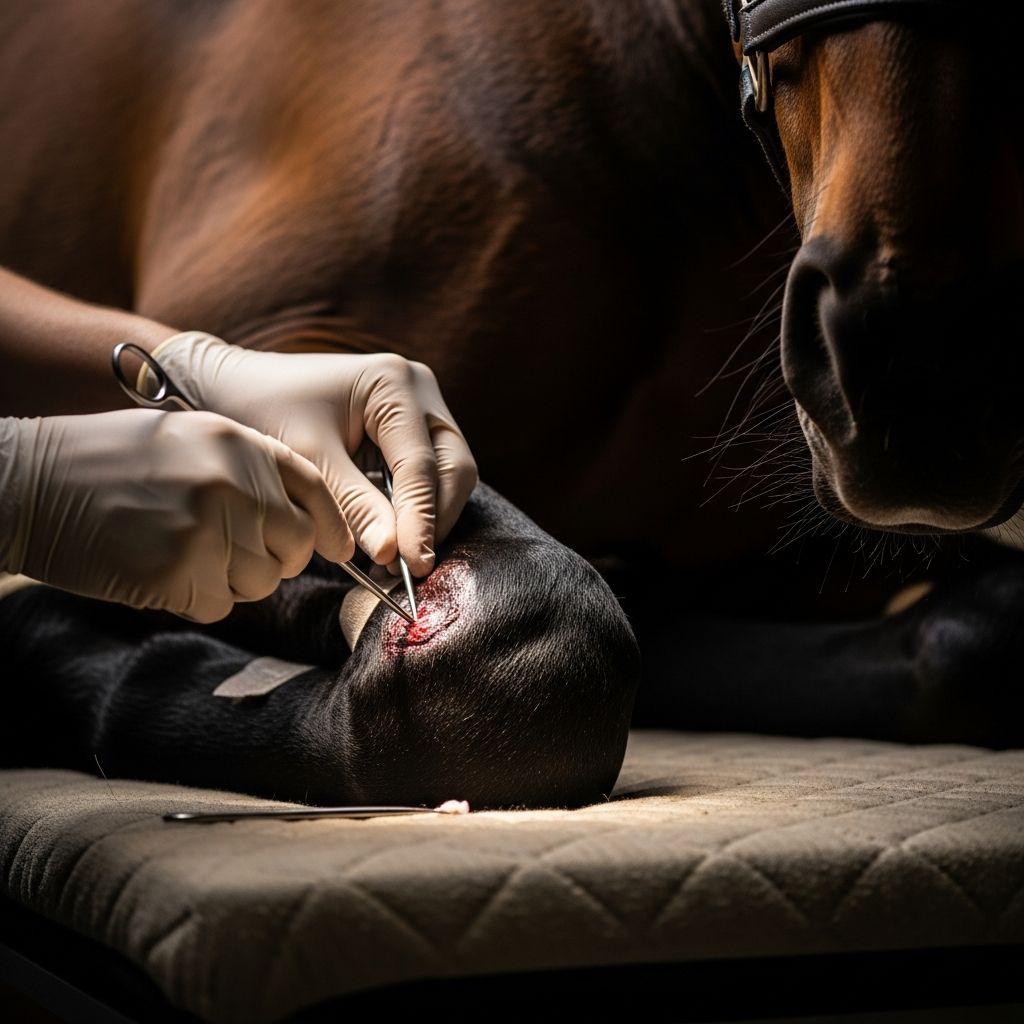
Horses encounter sudden health crises that demand swift action to prevent fatal outcomes. These incidents, ranging from digestive blockages to traumatic injuries, require owners and veterinarians to apply targeted interventions promptly. Understanding these protocols can significantly improve a horse’s prognosis during critical moments.
Recognizing Critical Signs in Horses
Early detection of distress signals is foundational to effective emergency management. Horses in crisis often display restlessness, elevated heart rates exceeding 44 beats per minute at rest, rapid breathing, or pale gums indicating shock. Gut sounds may diminish or intensify abnormally, signaling colic or obstruction. Owners should immediately isolate the horse, withhold feed, and contact a veterinarian while monitoring these vitals.
Preparation enhances response efficacy. Assemble a first-aid kit with saline for wound irrigation, antiseptics, thermometer, stethoscope, and twitch for restraint. Secure the environment by removing hazards and separating from herd mates to minimize stress and injury risk.
Managing Esophageal Blockages
Esophageal obstruction, commonly termed “choke,” arises when feed or foreign material lodges in the esophagus, causing salivation, nasal reflux, and neck swelling. Diagnosis involves physical exam, nasogastric tube passage, or endoscopy to visualize the blockage.
- Sedate the horse to relax musculature and facilitate tube insertion.
- Administer IV fluids if dehydration is present to soften the mass.
- Perform gentle nasogastric intubation to dislodge material into the stomach.
For persistent cases lasting over 1-3 hours, heavy sedation allows head lowering for lavage with water via tube to flush debris. Prolonged choke risks aspiration pneumonia, necessitating lung ultrasound and prophylactic antibiotics. Horses remain vulnerable to recurrence for weeks, requiring dietary adjustments and esophageal healing monitoring.
Addressing Rectal Injuries
Rectal tears, partial or full perforations during exams or foaling, pose severe peritonitis threats from fecal contamination. Signs include straining, blood, or feces from the rectum.
Immediate assessment under sedation and epidural anesthesia reduces straining. Avoid speculums; use bare-handed digital palpation or endoscopy. Administer N-butylscopolammonium bromide (0.3 mg/kg IV) or lidocaine enema to relax rectal tone.
Treatment varies by tear degree:
| Tear Grade | Description | Intervention |
|---|---|---|
| I | Mucosal | Conservative: rest, antibiotics |
| II | Submucosal | Suture under sedation |
| III-IV | Full thickness | Standing repair with camera guidance, liner placement |
Broad-spectrum antimicrobials prevent infection. Field repairs use laparoscopy for suturing or bypass liners.
Handling Post-Castration Complications
Evisceration after castration, especially in larger breeds, involves omentum or intestine protruding through the inguinal canal. Omental cases allow standing emasculation after sedation and rectal confirmation of no bowel involvement.
For intestinal herniation:
- Sedate and induce short general anesthesia.
- Lavage exposed bowel, assess viability.
- Suture scrotum over bowel, refer for celiotomy if compromised.
Post-procedure, administer antimicrobials and NSAIDs. Monitor for colic or ileus signaling devitalization. Remove packing after 48 hours following rectal exam. Preventive closed castration reduces risks in draft breeds.
Fluid Administration and Stabilization
Horses tolerate recumbency poorly, making recumbent shock states urgent. Fluid therapy via IV catheters restores volume in dehydrated or hemorrhaging animals. Monitoring pulse, respiration, and mucous membrane color guides therapy.
In severe cases, hypertonic saline or colloids provide rapid expansion before crystalloids. Continuous vital tracking prevents complications from prolonged down time.
Trauma Response Protocols
Wound and Fracture Care
Lacerations demand bleeding control with direct pressure; avoid tourniquets unless arterial. Clean with saline, debride necrotic tissue, and bandage securely. Fractures require padded splints for transport, prioritizing limb immobilization.
Head Trauma Management
Head injuries cause cerebral swelling; handle gently, possibly under anesthesia for relocation. Monitor for neurological deficits like circling or seizures.
Colic Emergency Measures
Colic manifests as pawing, rolling, and sweating. Withhold food, walk gently, and vet assessment via rectal exam, ultrasound, and nasogastric reflux checks pain source. Medical colic responds to analgesics, flunixin meglumine, and spasmolytics.
Surgical colic indicators include persistent pain, toxic gums, or elevated lactate prompt referral.
On-Site versus Hospital Care
Field vets stabilize with diagnostics like bloodwork, ultrasound, abdominocentesis. Stable horses return home; critical cases transfer to facilities with 24/7 monitoring, surgery, and specialists. Owners receive cost estimates and daily updates.
Building an Equine Emergency Kit
- Diagnostics: Thermometer, stethoscope.
- Wound Care: Saline, antiseptics, bandages, gauze.
- Restraint: Twitch, lead ropes.
- Medications: Vet-prescribed banamine, electrolytes.
Frequently Asked Questions
What are the first steps for a choking horse?
Sedate, attempt nasogastric intubation, and seek vet aid to prevent aspiration.
How do I know if a rectal tear is present?
Look for straining, blood; confirm via careful palpation under sedation.
Can evisceration after castration be treated on-farm?
Yes for omentum; intestines need surgical referral.
Why is monitoring vital signs crucial?
Tracks shock progression; heart rate >60 bpm signals distress.
When to call an equine specialist?
Any unresponsive pain, abnormal vitals, or trauma beyond basic aid.
Preventive Strategies for Equine Owners
Minimize risks with routine health checks, proper castration techniques, and emergency planning. AAEP guidelines stress vet relationships and kit readiness. Train staff on recognition; conduct drills for colic, choke.
Seasonal vigilance counters foaling complications, laminitis spikes. Vaccinations and deworming curb infectious crises.
References
- Emergency Surgical Procedures — Mid Atlantic Equine. 2023. https://www.midatlanticequine.com/emergency-surgical-procedures.html
- Other Common Emergencies in Horses — MSD Veterinary Manual. 2023. https://www.msdvetmanual.com/emergency-medicine-and-critical-care/emergency-medicine-in-horses/other-common-emergencies-in-horses
- Acting Fast in Equine Emergencies — Equine Institute. 2023. https://equineinstitute.org/blogs/horse-care-tips/acting-fast-in-equine-emergencies-essential-steps-for-quick-response
- Emergency Care for Horses — Merck Veterinary Manual. 2023. https://www.merckvetmanual.com/special-pet-topics/emergencies/emergency-care-for-horses
- Equine Emergency – what to expect — Virginia Tech Vet Med. 2023-10-01. https://vetmed.vt.edu/news/2023/emc-equine-emergency.html
Similar Articles








Read full bio of medha deb


