

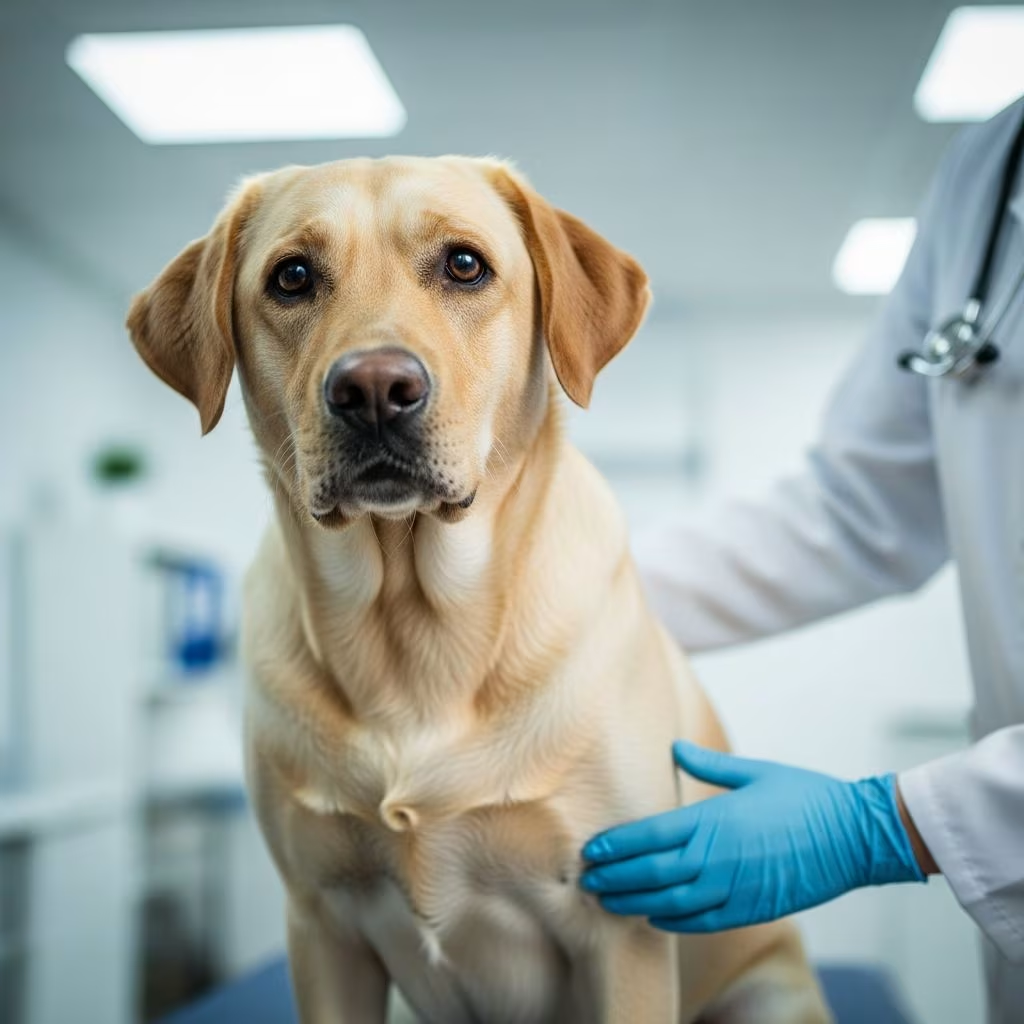
Urethritis, an inflammatory condition affecting the urethra, is a significant health concern in veterinary medicine. The urethra serves as the conduit through which urine exits the body, and when this delicate tissue becomes inflamed or infected, dogs experience considerable discomfort. Understanding this condition is essential for pet owners seeking to maintain their dog’s urinary health and recognize when professional veterinary intervention is necessary.
What Is Urethritis and How Does It Differ from Other Urinary Conditions?
Urethritis specifically targets the urethra, the tubular structure responsible for transporting urine from the bladder to the external environment. This condition differs from cystitis, which involves bladder inflammation, though both may occur simultaneously. The distinction matters clinically because treatment approaches vary based on the affected anatomical location. In male dogs, the urethra is considerably longer and passes through the prostate gland, creating a more complex anatomical pathway that can complicate both the development and treatment of urethral inflammation.
The severity of urethritis ranges from mild, self-limiting inflammation to severe infiltrative disease requiring aggressive medical intervention. Proliferative urethritis, an uncommon variant, involves abnormal tissue growth within the uretral lining and presents particular diagnostic and therapeutic challenges. Recognizing the specific type of urethritis affecting your dog enables veterinarians to tailor treatment protocols accordingly.
Identifying the Root Causes of Urethral Inflammation
Multiple factors can trigger urethritis in dogs, and identifying the underlying cause is fundamental to successful treatment. The most prevalent cause remains bacterial infection, with organisms commonly originating from the dog’s own skin flora or intestinal bacteria. These microorganisms ascend the urethra and establish infection within the urethral tissue itself.
Beyond infection, mechanical trauma represents a significant causative factor. Urinary stones lodged within the urethra create chronic irritation and inflammation. Similarly, urethral catheterization, while sometimes medically necessary, can introduce bacteria or cause tissue damage that precipitates inflammation. Dogs that have experienced previous catheterization may develop inflammation weeks or months after the procedure.
Associated conditions frequently coexist with urethritis. Infections of adjacent structures, including the bladder, vagina in female dogs, and prostate in male dogs, often accompany urethral inflammation. Additionally, certain systemic diseases compromise immune function or alter urine composition, predisposing dogs to urethritis. Cancer involving the urethra, while less common, must be ruled out during diagnostic evaluation.
Primary Causative Factors
- Bacterial colonization of urethral tissue
- Urinary stones creating chronic irritation
- Previous urethral catheterization or instrumentation
- Trauma from external injury or accident
- Secondary infection from bladder or prostate disease
- Tumors or abnormal tissue growth
- Idiopathic causes where no specific trigger is identified
Recognizing Clinical Signs of Urethritis
Dogs with urethritis typically display recognizable symptoms that warrant veterinary evaluation. The most common sign is dysuria, or painful urination, which dogs often communicate through behavioral changes. Owners may observe their pets straining during micturition, producing only small volumes of urine despite repeated attempts. Some dogs exhibit increased frequency of urination, attempting to void multiple times throughout the day and night.
Hematuria, the presence of blood in the urine, frequently accompanies urethritis and may be visible to the naked eye or detected only through laboratory analysis. The urine may appear cloudy or emit an unusually strong or foul odor. In severe cases, dogs may develop urinary incontinence or difficulty controlling urine flow.
Behavioral changes often accompany physical symptoms. Dogs with urethritis may become lethargic or display signs of pain when assuming certain positions. Some dogs lick their external genitalia excessively in response to discomfort. Female dogs may experience perivulvar dermatitis from contact with contaminated urine.
Common Symptom Presentation
- Painful or difficult urination with visible straining
- Frequent urination with minimal urine volume
- Blood in the urine or bloodstained urine
- Strong-smelling or cloudy urine
- Excessive licking of genital area
- Signs of abdominal discomfort or pain
- Fever in cases of bacterial infection
- Urinary incontinence or dribbling
Diagnostic Approaches for Urethritis
Accurate diagnosis requires a systematic veterinary approach combining physical examination, laboratory analysis, and imaging studies. During the physical examination, veterinarians palpate the abdomen to assess bladder distension and sensitivity, and may perform urethral palpation to detect abnormalities. Male dogs’ urethras can be palpated along their length, potentially revealing stones, strictures, or masses.
Urinalysis forms the foundation of laboratory investigation. A properly collected sample—ideally obtained through cystocentesis (direct bladder needle aspiration) rather than free-catch samples—provides the most accurate results. Microscopic examination may reveal red blood cells, white blood cells, bacteria, crystals, or other abnormalities. Bacterial culture and sensitivity testing proves invaluable when infection is present, identifying the specific organism and determining which antibiotics are most effective.
Imaging studies provide visualization of structural abnormalities. Radiographic evaluation can detect radiopaque urinary stones and assess overall urinary tract anatomy. Ultrasonography offers superior soft tissue visualization, revealing stones regardless of mineral composition, masses, or structural abnormalities. Contrast radiography or advanced imaging may be recommended in complex cases.
In cases of suspected proliferative urethritis or cancer, urethroscopy allows direct visualization of the urethral lining and enables tissue sampling for histopathological examination. This diagnostic tool provides definitive answers regarding the nature of urethral lesions.
Treatment Strategies for Managing Urethritis
Treatment protocols must address both the underlying cause and the inflammatory response. Bacterial urethritis requires appropriate antibiotic therapy selected based on culture and sensitivity results whenever possible. Broad-spectrum antibiotics are initiated empirically when immediate treatment is necessary, with adjustments made once culture results become available. Treatment duration typically spans seven to fourteen days for uncomplicated infections, though complex cases may require extended therapy lasting several weeks.
First-line antibiotics commonly include trimethoprim-sulfamethoxazole combinations and amoxicillin with clavulanic acid, both demonstrating good urinary penetration and efficacy against common urinary pathogens. Fluoroquinolones provide an alternative for resistant infections, though judicious use helps prevent development of antibiotic resistance.
Removal of causative factors is essential. Urinary stones must be removed, either through medical dissolution when appropriate or through surgical intervention for refractory cases. Most dogs recover well from urinary stone surgery, often showing improvement within one to two weeks. Stone analysis can guide dietary management to prevent recurrence.
Anti-inflammatory medications reduce pain and swelling of urethral tissue. Nonsteroidal anti-inflammatory drugs provide symptom relief and support healing. In cases of proliferative urethritis or idiopathic inflammation, corticosteroids or immunosuppressive agents such as azathioprine may be necessary to control aberrant immune responses.
Urethral relaxant medications, including alpha-adrenergic blockers, help reduce urethral pressure and improve urine flow. These drugs prove particularly useful when urethral spasm or strictures compromise normal micturition. In severe inflammatory cases, mechanical intervention such as balloon dilatation or urethral stent placement may be required to prevent acute reobstruction.
Treatment Modalities
| Treatment Type | Indication | Expected Outcome |
|---|---|---|
| Antibiotics | Bacterial infection confirmed | Resolution of infection within 7-14 days |
| Surgical Stone Removal | Large urinary stones causing obstruction | Improvement within 1-2 weeks post-surgery |
| Anti-inflammatory Drugs | Pain and swelling reduction | Symptomatic relief within 24-48 hours |
| Urethral Relaxants | Spasm or stricture involvement | Improved urine flow and reduced straining |
| Immunosuppressive Therapy | Proliferative or idiopathic urethritis | Long-term inflammation control |
Nutritional and Supportive Management
Dietary modifications can significantly impact urethritis management and prevention. Specialized diets formulated to alter urine pH reduce crystal formation and modify the urinary environment in ways that inhibit bacterial growth. These therapeutic diets often contain controlled mineral levels tailored to prevent recurrence of stones or crystals that initiated the inflammatory process.
Increased water intake dilutes urine and promotes frequent bladder flushing, reducing bacterial concentration. Owners can encourage drinking through multiple water bowls positioned throughout the home, water fountains that appeal to dogs’ preference for moving water, or by adding low-sodium broth to meals. Some dogs respond well to canned food, which contains higher moisture content than dry kibble.
Probiotic and prebiotic supplements support gastrointestinal and urinary tract health by promoting beneficial bacterial populations. Antioxidant supplements protect urinary tissue from oxidative stress during healing. Before administering any supplements, consultation with a veterinarian ensures compatibility with prescribed medications and prevents adverse drug interactions.
Managing Complicated and Recurrent Cases
Some dogs experience recurrent urethritis despite appropriate initial treatment. Factors contributing to recurrence include incomplete resolution of underlying causes, reduced immune function, anatomical abnormalities preventing complete bladder emptying, or owner non-compliance with medication administration. Thorough re-evaluation becomes necessary when urethritis recurs, including repeat cultures and advanced imaging to identify overlooked abnormalities.
Dogs with underlying systemic diseases such as diabetes mellitus or Cushing’s syndrome face increased urethritis risk due to compromised immune responses. Improved management of these primary conditions often reduces urinary tract infection frequency. Medications that suppress immune function predispose dogs to recurrent infections, requiring heightened vigilance and potentially modified treatment protocols.
Referral to a veterinary specialist becomes appropriate when medical management fails or when specialized diagnostic capabilities are needed. Urologists or internal medicine specialists possess expertise in complex urinary cases and access to advanced therapeutic options.
Prognosis and Long-Term Outlook
Most dogs with uncomplicated, correctly identified and appropriately treated urethritis experience complete resolution of clinical signs. Bacterial infections typically respond well to antibiotics within two to three weeks of initiating therapy. Trauma-related inflammation usually improves once the causative agent is removed. Prognosis becomes more guarded when urethritis develops secondary to cancer or results from proliferative disease requiring long-term immunosuppressive therapy.
Untreated urethritis carries significant risks, potentially progressing to life-threatening complications. Ascending infection can reach the kidneys, causing pyelonephritis, which may result in permanent renal damage. Severe infections can trigger sepsis, a systemic inflammatory response that becomes life-threatening. Complete urethral obstruction represents an acute emergency requiring immediate surgical intervention.
Prevention strategies reduce urethritis incidence through maintenance of optimal hydration, regular urinalysis screening in high-risk dogs, prompt treatment of bladder infections, and careful attention to anal gland health. Preventive dietary management benefits dogs with recurrent stone formation.
Frequently Asked Questions About Canine Urethritis
Can urethritis resolve without treatment?
While mild inflammation may potentially improve independently, symptomatic urethritis requires veterinary treatment. Delaying appropriate therapy risks progression to serious complications including kidney infection and sepsis. Antibiotics and other medications provide essential pain relief and prevent disease advancement.
How long does urethritis treatment typically require?
Standard bacterial urethritis treatment usually spans 7-14 days of antibiotic therapy. Complicated cases with underlying disease or resistant infections may require 3-6 weeks of extended treatment. Follow-up urinalysis confirms successful infection clearance.
Are certain dog breeds predisposed to urethritis?
Female dogs experience urethritis more frequently than males due to shorter, more accessible urethras positioned closer to bacterial sources. Dogs with genetic predispositions to bladder stones or immune deficiencies face increased risk. Spay status and age also influence susceptibility.
What distinguishes urethritis from urinary tract infections?
Urethritis specifically involves urethral inflammation, while UTI encompasses the broader urinary tract including bladder and kidneys. These conditions frequently coexist, and urethritis may represent part of a more extensive urinary tract infection.
References
- Retrospective study of proliferative urethritis in dogs — PubMed Central/National Center for Biotechnology Information. 2021. https://pmc.ncbi.nlm.nih.gov/articles/PMC7848298/
- UTI in Dogs: Signs, Causes, and Treatment — PetMD. 2024. https://www.petmd.com/dog/conditions/urinary/uti-dogs-signs-causes-and-when-call-your-vet
- Urinary tract infections — Cornell University College of Veterinary Medicine, Riney Canine Health Center. 2024. https://www.vet.cornell.edu/departments-centers-and-institutes/riney-canine-health-center/canine-health-topics/urinary-tract-infections
- Urinary tract infection in dogs – signs, causes and treatment — Veterinary Times. 2023. https://www.vettimes.com/news/vets/small-animal-vets/urinary-tract-infection-in-dogs-signs-causes-and-treatment
- What can I give my dog for a urinary tract infection? — Animal Hospital of Clemmons. 2020. https://www.animalhospitalofclemmons.com/site/veterinary-pet-care-blog/2020/12/18/urinary-tract-infection-in-dogs
- Urethritis in Dogs — PetPlace.com. 2024. https://www.petplace.com/article/dogs/pet-health/urethritis-in-dogs



