

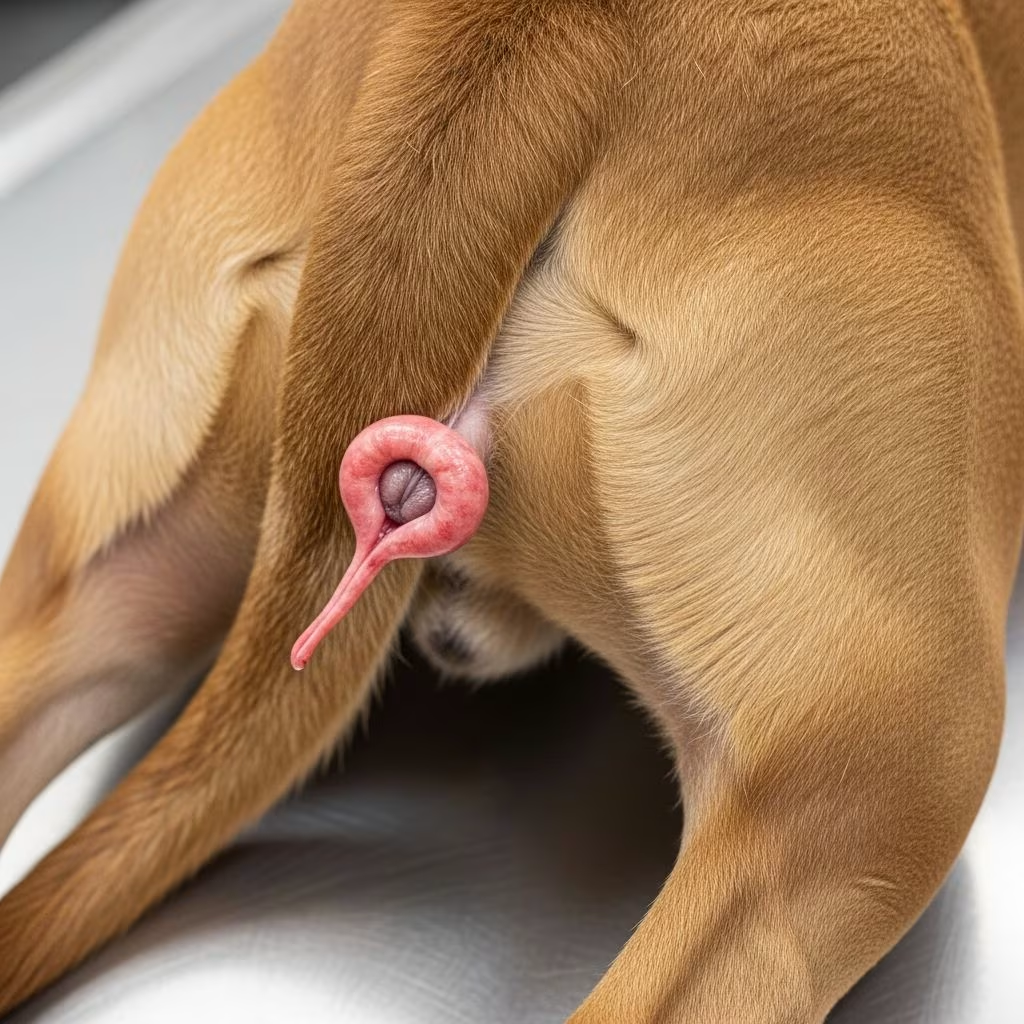
Urethral prolapse occurs when the inner lining of a dog’s urethra turns inside out and protrudes, typically at the tip of the penis in males. This condition primarily affects young, intact male dogs of certain breeds and can range from mild and self-resolving to severe, requiring surgical intervention.
Understanding the Anatomy Involved
The urethra serves as the tube transporting urine from the bladder to the outside of the body. In male dogs, it runs the length of the penis. Prolapse happens when the mucosal lining everts, forming a visible mass. This is exclusive to male dogs due to penile anatomy.
Breeds predisposed include English Bulldogs, Boston Terriers, and other brachycephalic types, likely due to genetic factors influencing urethral structure and abdominal pressure.
Common Causes and Risk Factors
Several triggers contribute to urethral prolapse:
- Sexual excitement or arousal: Prolonged erections increase pressure, pushing the lining outward. Intact males are at higher risk.
- Urinary tract issues: Infections, stones (uroliths), or inflammation heighten intra-urethral pressure.
- Genetic predisposition: Abnormal urethral development in breeds like Bulldogs.
- Increased abdominal pressure: From straining, obesity, or respiratory issues in flat-faced breeds.
Young dogs under 4 years are most commonly affected, with English Bulldogs representing a significant portion of cases in veterinary studies.
Recognizing the Symptoms
Owners may notice a small, red or purple, pea-sized mass at the penile tip, especially during urination or excitement. Other signs include:
- Straining or frequent urination attempts.
- Blood in urine (hematuria) or penile bleeding.
- Excessive licking of the genital area.
- Difficulty urinating or complete blockage in severe cases.
- Swelling or inflammation if licking persists.
In mild cases, symptoms may be absent or intermittent, appearing only during arousal.
| Symptom | Severity Level | Common Observation |
|---|---|---|
| Visible mass | Mild-Moderate | Red/purple protrusion at penis tip |
| Bleeding | Moderate-Severe | Spotting during or after urination |
| Straining | Severe | Obstruction-like efforts |
Diagnostic Approaches
Veterinarians diagnose via physical exam, identifying the characteristic mass. Additional tests confirm underlying issues:
- Urinalysis and culture: Checks for infections or crystals.
- Imaging: X-rays or ultrasound for stones or bladder problems.
- Rectal palpation: Assesses prostate and pelvic urethra.
- Tissue sampling: If neoplasia is suspected (rare).
Differential diagnoses include tumors, polyps, or trauma, but the prolapse’s location and appearance are distinctive.
Treatment Options: From Conservative to Surgical
Treatment depends on severity. Asymptomatic cases may resolve with rest.
Conservative Management
For small, non-painful prolapses:
- Rest and reduced activity to minimize excitement.
- Sedatives like acepromazine or butorphanol to prevent erections.
- Antibiotics if infection present.
- Castration recommended to lower recurrence by reducing hormonal drives.
Manual Reduction
Under anesthesia, the tissue is pushed back, a urinary catheter placed, and a temporary purse-string suture applied at the orifice. Suture removed in 5 days.
Surgical Correction
Preferred for persistent or severe cases. Urethropexy involves excising prolapsed tissue, suturing edges with a simple continuous pattern to minimize stricture and hemorrhage.
Post-op care: E-collar, pain meds, anti-inflammatories, 2-3 weeks exercise restriction. Recurrence possible in 57% of cases, lower with sedation.
In refractory cases: Penile amputation with scrotal urethrostomy.
| Treatment Type | Indications | Success Rate/Notes |
|---|---|---|
| Conservative | Mild, asymptomatic | High resolution with rest; neuter advised |
| Manual Reduction | Small prolapse | Temporary; recurrence risk |
| Surgical Resection | Severe, bleeding | Good prognosis; 39% early hemorrhage |
Post-Treatment Recovery and Care
Monitor for bleeding (common up to 2 weeks), prevent self-trauma with e-collars. Limit excitement; brachycephalic breeds may benefit from airway surgery to reduce straining.
Follow-up visits ensure healing; suture removal if needed. Owners report good outcomes, though episodic issues can persist.
Prognosis and Recurrence Prevention
Prognosis is favorable with treatment; most dogs regain normal urination. Recurrence is common (up to 57%), mitigated by neutering, sedation, and activity control.
Prevention strategies:
- Early neutering.
- Avoid overexcitement in intact males.
- Prompt UTI treatment.
- Brachycephalic airway corrections.
Frequently Asked Questions (FAQs)
Is urethral prolapse painful for dogs?
It can cause discomfort, especially if inflamed or bleeding, leading to licking and straining.
Does it only affect Bulldogs?
No, but English Bulldogs are most common; other males like Terriers are at risk.
Can it resolve without surgery?
Yes, mild cases often do with rest and neutering.
What if my dog has urinary blockage?
Seek emergency care; it may require catheterization.
Is neutering always necessary?
Highly recommended to prevent recurrence.
Long-Term Management Tips
Maintain a calm environment, regular vet check-ups, and a balanced diet to prevent obesity-related pressure. Monitor for respiratory issues in predisposed breeds.
This condition, while alarming, is manageable with timely intervention, allowing dogs a high quality of life.
References
- Out-of-place Urethral Lining in Dogs | PetMD — PetMD. 2023. https://www.petmd.com/dog/conditions/urinary/c_multi_urethral_prolapse
- Urethral Prolapse in Dogs – Causes, Treatment and … – Vetster — Vetster. 2023. https://vetster.com/en/conditions/dog/urethral-prolapse
- Canine Urethral Prolapse – Brooklyn Vet Groups — Brooklyn Vet Groups. 2023. https://www.brooklynvetgroup.com/11/125/Canine_Urethral_Prolapse.htm
- Urethral prolapse in dogs: a retrospective study – PubMed — American College of Veterinary Surgeons. 2014-04-01. https://pubmed.ncbi.nlm.nih.gov/24749560/
- Urethral Prolapse – Animal Surgical Center of Michigan — Animal Surgical Center. 2023. https://www.animalsurgicalcenter.com/urethral-prolapse



