

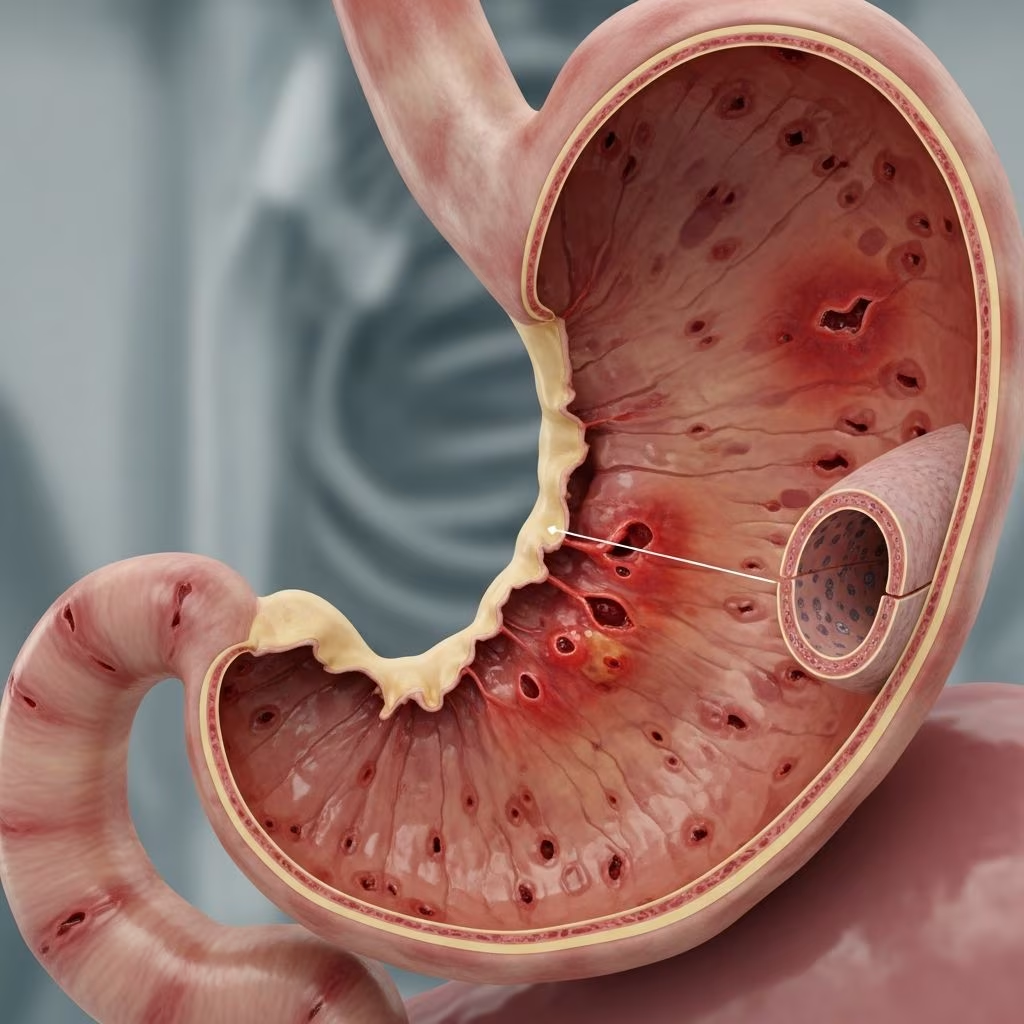
Chronic kidney disease (CKD) affects many older cats, often leading to gastrointestinal disturbances known as uremic gastritis. This condition arises when kidney dysfunction causes a buildup of toxins that irritate the stomach lining, resulting in symptoms like persistent vomiting and reduced appetite. Understanding this interplay is crucial for timely intervention and improving quality of life.
Understanding the Kidney-Stomach Connection
The kidneys filter waste products from the blood, but in CKD, this process fails, leading to uremia—a state where toxins accumulate systemically. These uremic toxins, including excess gastrin and phosphorus, can inflame the gastric mucosa without necessarily causing visible ulcers or erosions. Research shows that cats with severe azotemia (serum creatinine >5.0 mg/dL) exhibit higher chief parietal cell (CPP) counts and serum gastrin levels compared to healthy controls, pointing to physiological changes rather than overt lesions.
Gastric fibrosis and mineralization are more common in affected cats, linked to hyperphosphatemia and secondary hyperparathyroidism. Unlike classic assumptions of hyperacidity-driven damage, studies indicate gastrointestinal signs stem more from central emetogens and toxin effects than local gastric pathology.
Recognizing Key Symptoms in Your Cat
Owners often notice subtle changes progressing to overt distress. Common signs include:
- Vomiting: Frequent, sometimes containing bile, food, or froth; occurs in about 45% of CKD cats.
- Anorexia: Loss of appetite affecting 84% of cases, leading to weight loss.
- Lethargy and weakness: Due to dehydration and toxin buildup.
- Oral ulcers: Painful mouth sores from uremic toxins.
- Abdominal discomfort: Cats may hunch or vocalize when touched.
- Melena or diarrhea: Dark, tarry stools or loose motions in severe cases.
These symptoms overlap with general gastritis but are distinguished by concurrent kidney indicators like increased thirst and urination.
Root Causes and Risk Factors
Uremic gastritis is primarily secondary to CKD, where declining renal function impairs gastrin clearance, potentially elevating stomach acid production. However, necropsy findings reveal no widespread ulceration; instead, mucosal mineralization predominates in moderate to severe cases.
| Factor | Description | Impact on Cats |
|---|---|---|
| Azotemia Severity | Elevated creatinine levels | Higher in cats >5.0 mg/dL; correlates with mineralization |
| Hypergastrinemia | Retained gastrin hormone | Increased serum levels; no direct ulceration link |
| Hyperphosphatemia | Excess blood phosphorus | Leads to gastric fibrosis and calcification |
| Dehydration | Fluid loss from kidneys | Worsens constipation, toxin reabsorption |
Other contributors include concurrent issues like pancreatitis or diabetes, exacerbating gastric irritation.
How Veterinarians Diagnose the Condition
Diagnosis combines clinical history, bloodwork, and imaging. Key tests include:
- Blood chemistry: Elevated BUN, creatinine, phosphorus; low potassium.
- Urinalysis: Dilute urine, protein loss.
- Endoscopy: Reveals fibrosis or mineralization, rarely ulcers.
- Biopsy: Confirms mild lymphocytic inflammation.
- Abdominal ultrasound: Assesses kidney size and structure.
Differentiating from primary gastritis involves ruling out toxins, foreign bodies, or infections.
Treatment Strategies for Relief and Management
Treatment targets underlying CKD and symptom control, prioritizing antiemetics over gastroprotectants given lesion scarcity.
- Fluid Therapy: Subcutaneous or IV fluids to combat dehydration and dilute toxins.
- Antiemetics: Maropitant or ondansetron for nausea; centrally acting to address emetogen effects.
- Phosphate Binders: Aluminum hydroxide to lower phosphorus, reducing mineralization risk.
- Appetite Stimulants: Mirtazapine to encourage eating.
- Renal Diets: Low-protein, high-quality formulas to minimize waste buildup.
- Gut Health Support: Probiotics and laxatives for constipation, as slow bowels trap toxins.
In advanced cases, calcitriol or erythropoietin may address secondary effects.
Preventive Measures for At-Risk Cats
Early CKD detection via annual senior blood panels allows proactive care. Maintain hydration with fountains, feed prescription diets, and monitor phosphorus levels. Regular weight checks and stool consistency observations help catch issues early.
Prognosis and Long-Term Outlook
With management, many cats live years post-diagnosis. Stage-dependent: mild cases respond well to diet/fluids; severe azotemia may require frequent interventions. GI signs often improve with toxin reduction, enhancing comfort.
FAQs on Uremic Gastritis in Cats
Q: Can uremic gastritis be cured?
A: It’s managed, not cured, as it’s tied to irreversible CKD. Focus on symptom control and slowing progression.
Q: Why does my cat vomit but have no stomach ulcers?
A: Toxins act centrally on the brain’s vomiting center, bypassing local damage.
Q: Is hypergastrinemia always present?
A: Common in CKD cats, but severity varies; it correlates with azotemia.
Q: How does constipation relate?
A: Slow bowels in dehydrated CKD cats reabsorb toxins, worsening uremia.
Q: When to seek emergency care?
A: Persistent vomiting >24 hours, blood in vomit/stool, or extreme lethargy warrants immediate vet visit.
Recent Research Insights
Studies from 2016 onward challenge traditional views, emphasizing toxin-mediated nausea over erosive gastritis. Prospective analyses of necropsies show mineralization in 38% of CKD cases, advocating phosphate control. Ongoing work explores gastrin’s role and novel antiemetics.
References
- Uremic Gastropathy in Cats — Clinician’s Brief. 2016. https://www.cliniciansbrief.com/article/uremic-gastropathy-cats
- Catching the devil in the gut – reducing uraemia in cats — cat.life. N/A. https://cat.life/en/catching-the-devil-in-the-gut-reducing-uraemia-in-cats/
- Gastritis in Cats — PetMD. N/A. https://www.petmd.com/cat/conditions/digestive/c_ct_gastric_stasis
- What to Know About Gastritis in Cats — WebMD. N/A. https://www.webmd.com/pets/cats/what-to-know-about-gastritis-in-cats
- Relationship among Serum Creatinine, Serum Gastrin, Calcium… — PMC (PubMed Central). 2016-06-01. https://pmc.ncbi.nlm.nih.gov/articles/PMC4895456/
- Gastritis in Cats — VCA Animal Hospitals. N/A. https://vcahospitals.com/know-your-pet/gastritis-in-cats



