Urban Paws: Thriving with Dogs in City Life
Master the art of city living with your dog through smart strategies for space, exercise, noise, and training to ensure happiness for both.
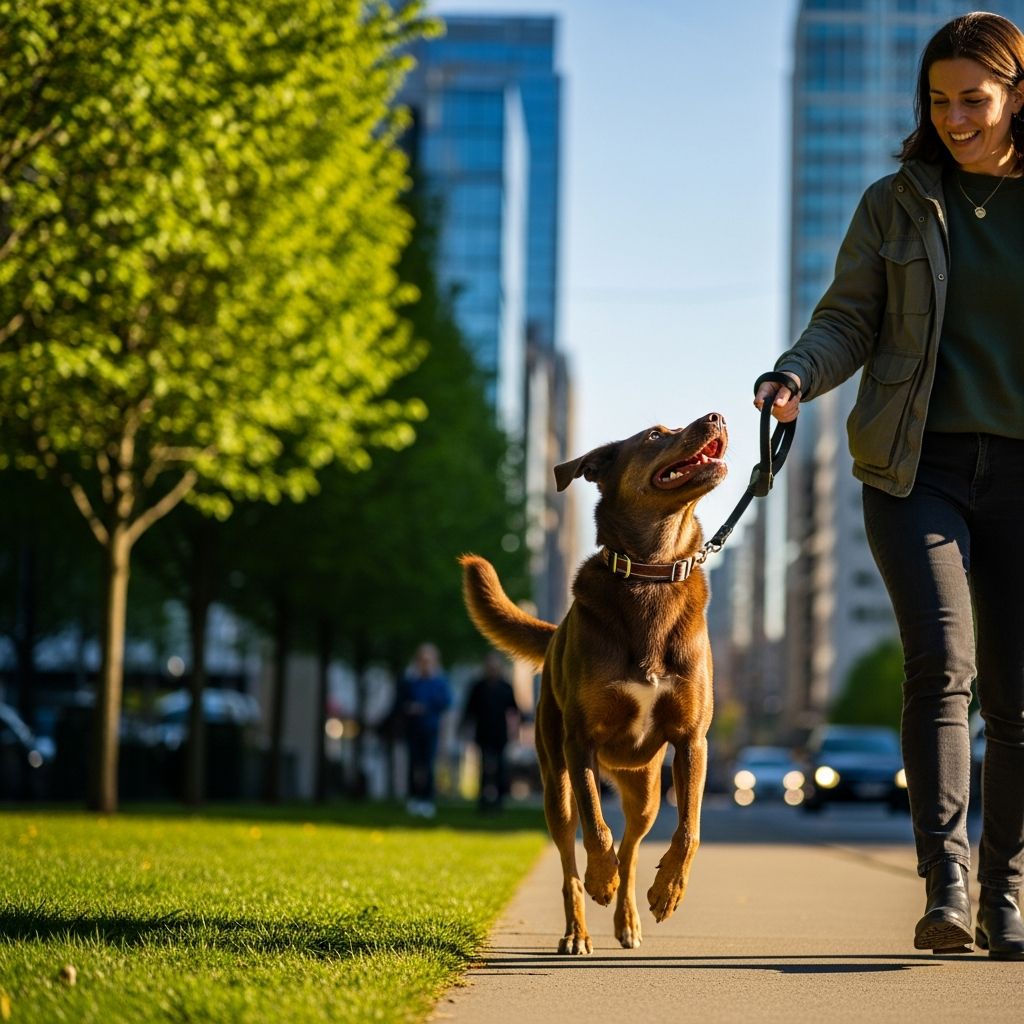
City living offers excitement and convenience, but it presents distinct hurdles for dog owners. Limited areas for play, constant noise from vehicles and crowds, and scarce natural spaces can stress both pets and people. With thoughtful planning, however, dogs can not only adapt but flourish in metropolitan settings. This guide explores effective ways to address these issues, from optimizing tiny homes to building resilience against urban stimuli.
Optimizing Small Spaces for Canine Comfort
Apartments and high-rises dominate city landscapes, leaving little room for pets to stretch. Dogs require zones for rest, activity, and elimination, yet square footage often falls short. Smart adaptations turn cramped quarters into welcoming havens.
- Designate multi-purpose areas: Carve out a corner with washable mats for lounging and play. Use vertical space with wall-mounted shelves for toys and beds to free the floor.
- Choose compact gear: Opt for collapsible crates, stackable food stations, and portable water bowls that tuck away easily.
- Incorporate indoor relief options: For rainy days or overnight needs, grass patches or pee pads provide sanitary spots without venturing out.
These changes prevent restlessness and destructive habits born from confinement. Regular maintenance keeps areas clean, reducing health risks from tracked-in pollutants.
Exercise Strategies for Concrete Jungles
Without yards, physical activity demands creativity. Urban dogs need 30-60 minutes daily of movement to maintain fitness and curb boredom-induced issues like excessive barking or chewing.
| Challenge | Solution | Benefits |
|---|---|---|
| Crowded streets | Early morning or late evening walks | Quieter paths, better focus |
| Few parks nearby | Dog walkers or apps for group runs | Socialization plus cardio |
| Bad weather | Treadmills or indoor gyms | Consistent routine |
| Limited time | Stair climbs in buildings | High-intensity, low space |
Combine outings with mental games like fetch in hallways or scent hunts using household items. Services such as daycares fill gaps, offering supervised play that mimics pack dynamics.
Combating Noise and Sensory Overload
Honking horns, sirens, and construction rattle sensitive ears. Many dogs develop anxiety, shown through pacing, whining, or hiding. Gradual habituation builds tolerance.
- Start indoors: Play city soundtracks at low volumes, pairing with treats to create positive links.
- Progress outdoors: Choose low-traffic routes, rewarding calm behavior.
- Use aids: Thundershirts or pheromone collars soothe without drugs.
A quiet retreat at home, perhaps a covered crate, offers escape. Consistency turns overwhelming chaos into manageable background hum.
Behavior Training Tailored to City Demands
Urban stimuli test impulse control. Dogs must ignore distractions, heed recalls amid temptations, and navigate elevators without lunging. Positive reinforcement shines here.
- Focus cues: Teach “look” or “touch” to redirect attention from passersby.
- Leash manners: Practice loose-leash walking in varied settings, using high-value rewards.
- Social skills: Controlled meet-and-greets at parks prevent reactivity.
Crate training fosters independence, ideal for napping amid neighbor noise. Short, frequent sessions yield better results than marathon drills.
Health and Wellness in Polluted Environments
City air carries toxins, streets hoard chemicals, and heat bounces off pavement. Paw protection with booties prevents burns and abrasions. Post-walk rinses remove grit.
Veterinary checkups should monitor for respiratory issues or allergies common in dense areas. Balanced diets counter stress, with omega supplements aiding skin and coat against urban dryness.
Building Routines for Stability
Predictability counters chaos. Fixed schedules for meals, potty breaks, and downtime anchor dogs emotionally.
- Morning walk at 7 AM sharp.
- Evening enrichment post-dinner.
- Bedtime rituals signal rest.
Such structures minimize surprises, fostering security in flux.
Community and Legal Navigation
Know local leash laws, waste disposal rules, and off-leash hours. Join online groups for park meetups or sitter swaps. Buildings may require pet policies; advocate for amenities like relief floors.
Enrichment Beyond the Basics
Mental workouts rival physical ones. Puzzle feeders dispense kibble slowly, scent trails engage noses, and trick training boosts bonds.
Weekend escapes to nearby trails reset overstimulated systems, blending adventure with recovery.
FAQs
What breeds suit city apartments?
Small to medium sizes like French Bulldogs or Cavaliers adapt well, but any breed thrives with sufficient exercise.
How often should urban dogs visit vets?
Twice yearly, plus immediate checks for paw injuries or coughs from pollution.
Can high-rises cause dog stress?
Elevators and heights can, but desensitization and crates mitigate this.
Best toys for small spaces?
Indestructible chewers, treat balls, and snuffle mats.
How to handle reactive dogs on sidewalks?
Increase distance, use head halters, and train counters like emergency U-turns.
Choosing the Right Gear for Urban Adventures
Invest in harnesses over collars to spare tracheas during pulls. Reflective vests ensure visibility at dusk. Portable water bottles with bowls suit long treks.
Trackers monitor escapes in crowds, while first-aid kits cover cuts from debris.
Long-Term Success Stories
Owners report calmer pets after three months of routines. One transformed a fearful rescue into a street-savvy companion via daily desensitization.
References
- Helping Dogs in High-Rise Living Situations: Beyond Skills Training — IAABC Journal. 2023-01-15. https://journal.iaabcfoundation.org/urban-dogs/
- Urban Dogs: Tackling Behaviour Challenges Unique to City Living — Canine Wise. 2024-05-20. https://www.caninewise.com.au/resources/urban-dogs-tackling-behaviour-challenges-unique-to-city-living
- Urban Dog Living Guide: Thriving in the City with Your Canine Companion — Wagbar. 2024-08-10. https://www.wagbar.com/urban-dog-living-guide-thriving-in-the-city-with-your-canine-companion
- Top 5 Behavioral Tips for Urban Living With Dogs — Dogtopia. 2023-11-05. https://www.dogtopia.com/blog/top-5-behavioral-tips-for-urban-living-with-dogs/
- City Living: How To Help Your Urban Dog Live Its Best Life — Bernie’s. 2024-02-14. https://www.bernies.com/blogs/bernies-blog/city-living-how-to-help-your-urban-dog-live-its-best-life/
Similar Articles








Read full bio of Sneha Tete