
Urban Composting Risks For Dogs: What Owners Need To Know
Understanding how city composting programs impact canine safety and wellness
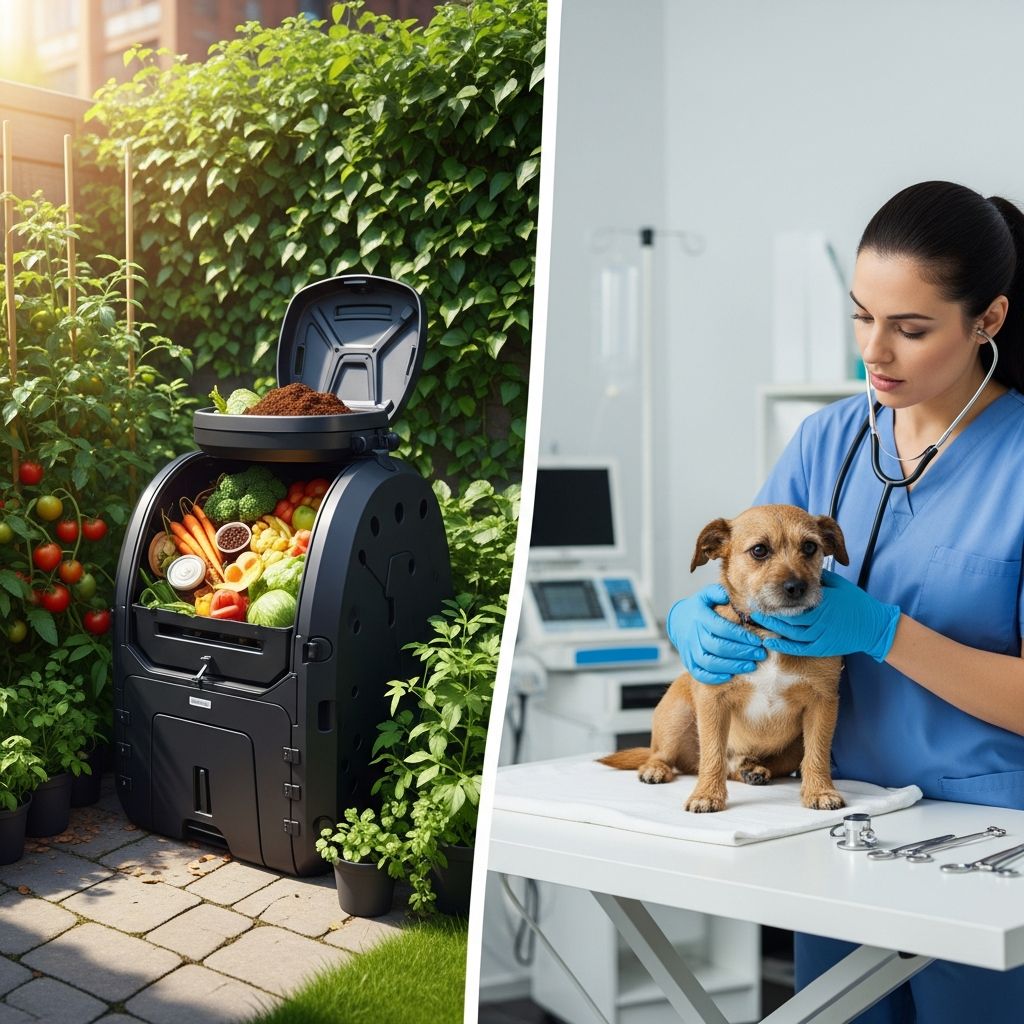
Municipal composting initiatives represent a significant step toward environmental sustainability, diverting organic waste from landfills and promoting resource recovery. However, as cities implement these programs, pet owners face a growing concern: the potential hazards that composting infrastructure poses to their canine companions. The expansion of composting programs in metropolitan areas has created a new landscape of risks that require careful attention and proactive management.
The Rise of Municipal Composting Programs
Cities across North America have begun mandating organic waste separation and composting to reduce landfill dependency. These initiatives, while environmentally beneficial, introduce novel challenges for pet owners navigating urban environments. When composting bins appear on sidewalks and in neighborhoods, dogs encounter unfamiliar food sources that can pose serious health threats. The combination of decomposing organic matter, varying temperatures, and moisture creates an ideal breeding ground for harmful microorganisms.
The implementation of such programs requires dog owners to become more vigilant about their pets’ interactions with waste materials. Understanding these risks is the first step toward protecting canine companions in municipalities with active composting programs.
Bacterial Pathogens Found in Decomposing Matter
Compost piles harbor numerous bacterial species that pose significant health risks to dogs. As organic materials break down, bacteria multiply rapidly in the nutrient-rich environment.
Campylobacterial Infections
Campylobacteria represents one of the most common bacterial threats associated with compost ingestion in dogs. This organism thrives in decomposing poultry and meat products, making it particularly prevalent in household compost that contains kitchen scraps. When dogs consume contaminated compost, they develop intestinal infections characterized by persistent vomiting, diarrhea, loss of appetite, and general malaise. Clinical cases have documented dogs experiencing multi-week illnesses requiring repeated veterinary interventions. The infection can be particularly severe in puppies, elderly dogs, or those with compromised immune systems.
E. Coli Contamination
Escherichia coli, another dangerous bacterium commonly found in decomposing organic waste, poses significant intestinal health risks. Epidemiological research has demonstrated that dogs with exposure to compost show elevated rates of E. coli colonization. This pathogen causes severe gastrointestinal distress and can lead to systemic complications if left untreated. The transmission pathway often occurs through direct ingestion of contaminated compost material during outdoor activities.
Additional Bacterial Threats
Beyond these primary pathogens, compost serves as a reservoir for salmonella and other gastrointestinal bacteria. These organisms survive extended periods in decomposing matter, creating prolonged exposure risks even as compost ages. The warm, moist environment of active compost piles accelerates bacterial proliferation, making fresh compost particularly dangerous.
Fungal Infections and Mycotoxin Exposure
Fungal contamination represents another significant health concern associated with compost. Unlike bacterial infections, which primarily affect the gastrointestinal tract, fungal infections can compromise respiratory and nasal systems in dogs.
Aspergillosis Risk
Aspergillus, a fungus commonly found in decomposing vegetation and organic waste piles, causes nasal and sinus infections in canines. Veterinary medical centers report diagnosing numerous cases annually, with higher incidence rates in geographic areas with active organic waste recycling programs. The fungal spores are inhaled during investigation and sniffing of compost, establishing infections in the nasal passages and paranasal sinuses. Dogs with aspergillosis display symptoms including nasal discharge, facial swelling, and chronic sneezing.
Mycotoxin-Related Neurological Effects
Certain mold species produce compounds called tremorgenic mycotoxins that cause severe neurological damage. Dogs ingesting moldy compost experience tremors, uncoordinated movement, seizures, and in severe cases, permanent neurological injury. These mycotoxins can be life-threatening without immediate veterinary intervention. The unpredictable nature of mold development in compost makes detection difficult for pet owners.
Physical Hazards Beyond Microbial Threats
Beyond microbial and fungal dangers, compost contains physical materials that pose choking and obstruction risks. Eggshells, hard vegetable matter, bones, and pits create blockage hazards when ingested. Dogs requiring surgical intervention for intestinal obstruction face extended recovery periods and significant veterinary expenses.
Hidden Toxins in Household Compost
Many pet owners underestimate the concentration of toxic substances that accumulate in compost piles. Kitchen waste frequently contains foods that are individually poisonous to dogs but become concentrated as compost decomposes.
| Toxic Substance | Health Impact in Dogs | Presence in Compost |
|---|---|---|
| Garlic and Onion | Destroys red blood cells; causes anemia | Common in kitchen waste |
| Grapes and Raisins | Acute kidney failure | Frequently composted |
| Avocado Pits | Gastrointestinal blockage; toxin exposure | Physical obstruction hazard |
| Caffeine and Chocolate | Cardiac arrhythmias; tremors | Present in food waste |
| Fermented Matter | Ethanol toxicity; neurological effects | Results from decomposition process |
These substances become more concentrated as decomposition progresses, creating toxin gradients throughout the compost pile. Dogs attracted by fermentation odors may consume highly toxic portions of the pile.
Clinical Presentation of Compost-Related Illness
Understanding the symptoms of compost poisoning enables rapid identification and emergency response. Dogs may present with varied clinical signs depending on the specific pathogen or toxin involved.
Gastrointestinal Manifestations
The most common presentation includes persistent vomiting and diarrhea, often lasting multiple days despite supportive care. Dogs lose appetite, display abdominal discomfort, and show signs of dehydration. These symptoms can rapidly escalate to systemic illness if the underlying cause involves severe bacterial or fungal infection.
Neurological Signs
Mycotoxin exposure produces tremors, loss of coordination, and seizure activity. These neurological manifestations indicate severe toxicity requiring immediate hospitalization and aggressive treatment protocols. Some dogs experience permanent neurological damage despite veterinary intervention.
Respiratory Complications
Aspergillosis produces chronic nasal symptoms including persistent discharge, facial swelling, and difficulty breathing. These symptoms develop gradually over weeks, often causing delayed diagnosis and treatment.
Diagnostic Approaches and Veterinary Management
When compost ingestion is suspected, veterinarians employ multiple diagnostic strategies. Blood work assesses organ function and identifies systemic infection. If possible, providing a sealed sample of the compost ingested aids in identifying specific pathogens and determining appropriate treatment.
Treatment varies based on the underlying cause but typically includes supportive care with intravenous fluids, antimicrobial medications for bacterial infections, and seizure management for mycotoxin exposure. Severe cases require hospitalization with continuous cardiac monitoring and respiratory support.
Protective Strategies for Urban Dog Owners
As composting programs expand in urban areas, dog owners must implement comprehensive protective measures.
Storage and Containment Solutions
- Store compost in sealed, elevated containers inaccessible to dogs
- Refrigerate or freeze compost until disposal in municipal bins
- Keep composting materials in locked sheds or garages during storage periods
- Use rigid containers rather than bags to prevent tearing and access
- Maintain clear perimeters around compost collection areas
Behavioral Management During Outdoor Activities
- Maintain constant leash control during urban walks
- Consider using muzzles for dogs with persistent scavenging behaviors
- Avoid routes with known compost bin concentrations during high-volume collection periods
- Train dogs using positive reinforcement to ignore roadside waste materials
- Supervise off-leash activities in enclosed areas to prevent waste consumption
Environmental Modifications
- Advocate for clearly marked and securely enclosed municipal composting infrastructure
- Request that property managers position compost bins in dog-free zones when possible
- Promote community awareness about compost dangers through neighborhood communications
- Support municipal policies requiring secure composting bin designs
Frequently Asked Questions
What immediate actions should I take if my dog consumes compost?
Contact a veterinarian immediately, even if your dog shows no symptoms. Provide information about the compost composition if known. Do not induce vomiting without professional guidance, as physical obstructions require different treatment approaches. Bring any available samples to help identify specific pathogens.
Can home composting be made safer for dogs?
Backyard compost piles rarely reach temperatures sufficient to eliminate dangerous pathogens. Therefore, complete separation of dogs from composting materials is recommended rather than attempting to make composting inherently safe.
Are certain dog breeds more susceptible to compost-related illness?
Dogs with curious temperaments and strong scavenging drives face elevated risk. Breeds with flat faces may experience more severe respiratory complications from aspergillus. Immunocompromised or very young/old dogs suffer more severe infections from bacterial pathogens.
How long can bacteria survive in stored compost?
Harmful bacteria including salmonella and roundworm parasites survive months to years in compost under favorable conditions. Storage duration alone does not guarantee pathogen elimination.
What distinguishes compost poisoning from other gastrointestinal illnesses in dogs?
Veterinarians differentiate through history, symptom patterns, and diagnostic testing. Knowing that compost ingestion occurred significantly aids diagnosis, which is why providing this information is crucial during veterinary consultations.
Community and Municipal Considerations
As urban centers expand composting programs, collaborative approaches improve pet safety. Dog owners should engage with municipal planning processes to request secure bin designs and strategic placement away from high-traffic pedestrian and pet areas. Many cities have successfully balanced composting goals with pet safety through thoughtful infrastructure design and community education initiatives.
Pet owners can also support policies requiring clear hazard labeling on composting containers and establishing buffer zones in neighborhoods with high dog populations. Community awareness campaigns reduce preventable exposures by informing residents about these emerging health risks.
Conclusion
Urban composting programs represent important environmental progress, but they introduce health challenges for dog owners that require thoughtful management. By understanding the microbial, fungal, and toxicological hazards present in decomposing matter, implementing protective strategies, and responding promptly to potential exposures, pet owners can minimize risks while supporting municipal sustainability initiatives. Vigilance, proper storage, leash management, and rapid veterinary attention form the foundation of compost-related illness prevention in increasingly green urban environments.
References
- NYC’s New Composting Law Could Be Dangerous for Dogs — Animal Medical Center of New York. 2023-07-12. https://www.amcny.org/blog/2023/07/12/nyc-composting-dangerous-for-dogs/
- Is Compost Poisonous to Dogs? — TrustedHousesitters. 2023-06-09. https://www.trustedhousesitters.com/blog/pets/is-compost-poisonous-to-dogs/
- The Hidden Dangers of Dog Waste — Dog Pros NY. https://www.dogproswny.com/the-hidden-dangers-of-dog-waste
- Can You Dig It? Compost and Fertilizer Pet Safety Tips — ASPCA. https://www.aspca.org/news/can-you-dig-it-compost-and-fertilizer-pet-safety-tips
Similar Articles








Read full bio of Sneha Tete




