

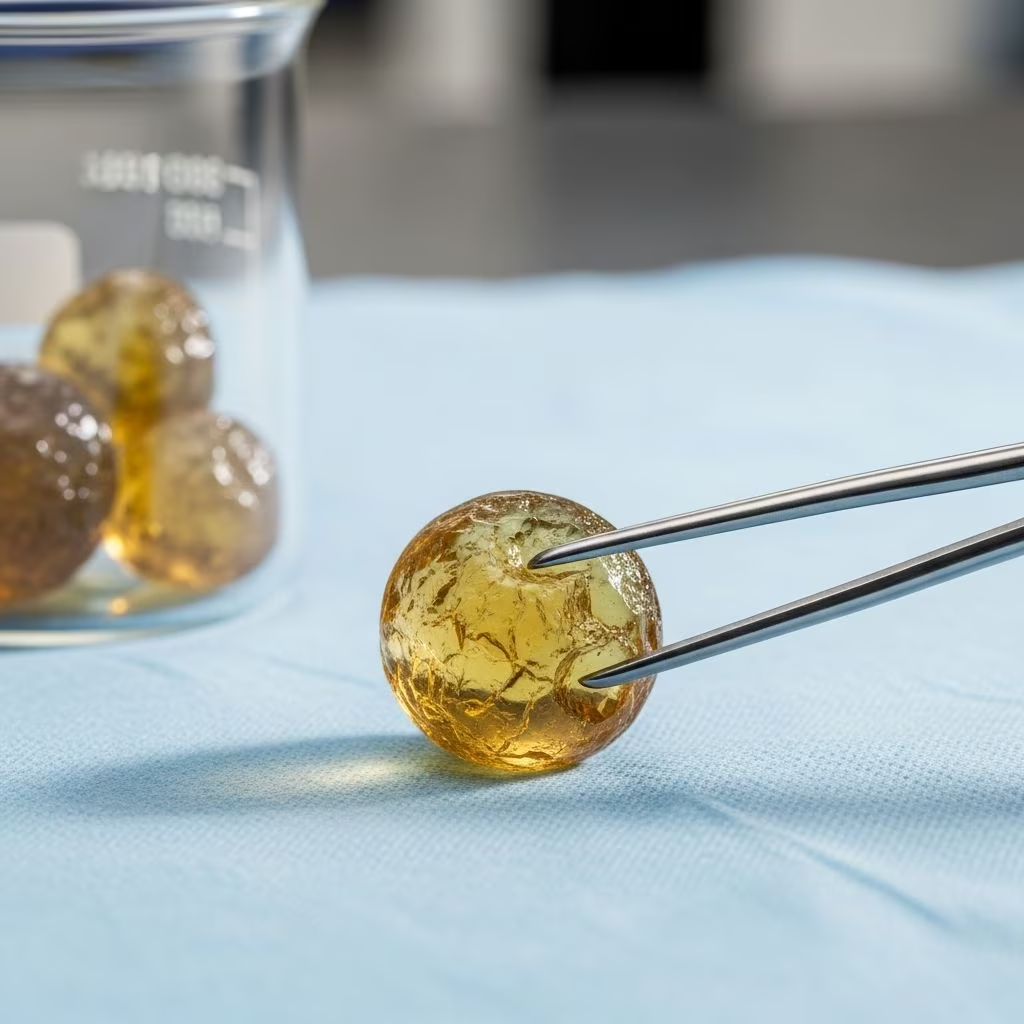
Understanding Urate Bladder Stones in Dogs
Urate bladder stones are mineral deposits that form in a dog’s bladder and can cause significant discomfort and health complications if left untreated. These stones develop when uric acid and ammonia accumulate in the urine, creating a crystalline buildup that hardens over time. Understanding the causes, recognizing the symptoms, and knowing the available treatment options can help dog owners protect their pets’ urinary health and quality of life. This comprehensive guide explores everything pet owners need to know about urate bladder stones in dogs.
Recognizing the Signs of Urate Bladder Stones
Early detection of urate bladder stones is crucial for successful treatment and preventing serious complications. Dogs with bladder stones may display various clinical signs that indicate a urinary system problem. The most common indicators include:
- Blood in the urine (hematuria)
- Straining to urinate (stranguria)
- Frequent urination attempts with minimal output (pollakiuria)
- Urinary accidents in previously house-trained dogs
- Abdominal pain or discomfort
- Excessive licking around the urinary opening
- Changes in normal urination patterns
- Lethargy or reduced activity levels
These signs closely resemble those of a bladder infection or cystitis, making professional veterinary evaluation essential. The severity of symptoms depends on the size and number of stones present, as well as their location within the urinary tract. In severe cases, an obstruction may occur, preventing the bladder from emptying completely. If the obstruction is complete, a dog may become unable to urinate at all, creating a life-threatening emergency that requires immediate veterinary intervention.
Diagnostic Methods for Urate Bladder Stones
Diagnosing urate bladder stones requires a comprehensive approach, as these stones can sometimes be difficult to visualize on standard X-rays. Veterinarians employ multiple diagnostic tools to confirm the presence of stones and assess their severity:
- Ultrasound imaging – highly effective for detecting stones of various sizes
- Abdominal X-rays and contrast radiography
- Urinalysis – examines urine composition and identifies crystalluria
- Blood work and serum chemistry profiles
- Bladder palpation during physical examination
Ultrasound is particularly valuable because it can detect small stones that may not be visible on X-rays. During the diagnostic process, veterinarians will also assess for underlying conditions that may have contributed to stone formation, such as liver shunts or other metabolic disorders that increase uric acid production. Once diagnosed, the veterinarian will develop a treatment plan tailored to the individual dog’s needs based on the stone size, number, and overall health status.
Treatment Options for Urate Bladder Stones
Dogs with urate bladder stones have access to several effective treatment strategies. The appropriate approach depends on factors including stone size, number of stones, risk of urinary obstruction, and the dog’s overall health status. Veterinarians typically recommend one of three primary treatment methods:
Medical Dissolution Therapy
Medical dissolution is a conservative treatment approach that uses specialized diet and medications to gradually dissolve existing stones. This method works by altering the chemical composition of the urine to create an environment where stones cannot form or persist.
Dietary Management: The cornerstone of medical dissolution involves feeding a very specific prescription diet formulated to promote stone dissolution. These therapeutic diets are characterized by:
- Lower protein content – reduces uric acid production
- Higher moisture content – canned foods are preferred as they produce more dilute urine
- Modified mineral composition – controls mineral availability
- pH adjustment – promotes higher urine alkalinity
Diluted urine is significantly less likely to support stone formation, making canned prescription diets particularly effective. Important compliance factors include feeding only the prescribed diet, as no other foods or treats should be given during treatment, and ensuring constant access to fresh water to maintain proper hydration and urine dilution.
Pharmaceutical Support: Veterinarians may prescribe additional medications to enhance stone dissolution:
- Allopurinol – decreases uric acid production by inhibiting xanthine oxidase
- Potassium citrate – alkalinizes urine pH to discourage stone formation
- Antimicrobial medications – if concurrent urinary tract infection is present
Dogs receiving medical dissolution therapy typically show improvement in straining and hematuria within weeks of starting treatment. However, complete stone dissolution is a gradual process that may take several months. Follow-up evaluations with urinalysis and imaging should be performed approximately one month after treatment initiation, with continued monitoring every three to six months throughout the dog’s life.
Surgical Removal via Cystotomy
Surgical removal represents the quickest and most direct method for eliminating bladder stones. This approach is commonly recommended in specific situations:
- Stones are too large for urohydropropulsion techniques
- Multiple stones are present in the bladder
- Complete or near-complete urinary obstruction exists
- Medical dissolution has failed or is contraindicated
- Underlying anatomical abnormalities require correction
The surgical procedure, called a cystotomy, involves accessing and opening the bladder to remove all stones present. This is a routine surgical procedure performed by many veterinarians, and dogs typically make a rapid postoperative recovery. The decision to proceed with surgery may be influenced by the patient’s age, overall health status, presence of other medical conditions, and anesthetic risk factors. Emergency surgery becomes necessary if stones have obstructed the urethra such that a dog is unable to urinate, as this condition quickly becomes life-threatening.
Ultrasonic Dissolution
A third treatment option, available in selected referral centers, is ultrasonic dissolution. This advanced technique employs high-frequency ultrasound waves to disrupt or break stones into tiny particles that can subsequently be flushed from the bladder through normal urination. The advantages of ultrasonic dissolution include:
- Immediate stone removal without need for general anesthesia
- No surgical incision required
- Reduced anesthetic risk for compromised patients
However, this option remains limited in availability and is not widely used. Pet owners should consult with their veterinarian to determine if this treatment is available in their geographic area.
Post-Treatment Monitoring and Prevention
Regardless of the treatment method chosen, long-term monitoring is essential to prevent stone recurrence. Bladder X-rays and urinalysis should be performed one month after treatment and then every three to six months for the remainder of the dog’s life. Many dogs will benefit from regular bladder ultrasounds to detect early urate stones that are small and may not be visible on conventional X-rays.
Prevention strategies focus on maintaining appropriate dietary management and urine composition:
- Continue feeding the prescribed therapeutic diet as recommended by the veterinarian
- Maintain adequate water intake and hydration
- Monitor urination patterns for any changes or irregularities
- Attend all scheduled veterinary check-ups
- Provide appropriate exercise and lifestyle management
When to Seek Emergency Veterinary Care
Certain situations require immediate veterinary attention and cannot wait for a scheduled appointment. Dogs displaying any of the following clinical signs of urinary tract disease should be evaluated immediately:
- Frequent urination attempts without producing urine
- Complete inability to urinate
- Urinating in unusual locations inside the home
- Obvious pain during urination
- Presence of blood in the urine
- Severe abdominal pain or distension
- Signs of shock or severe lethargy
Complete urinary obstruction is a true medical emergency that can lead to death within 24-48 hours if untreated. Immediate emergency surgery may be necessary to relieve the obstruction and save the dog’s life.
Prognosis and Long-Term Outcomes
The prognosis for dogs with urate bladder stones is generally good when appropriate treatment is implemented and followed consistently. Most dogs respond well to either medical or surgical management, with complete resolution of clinical signs. However, the underlying predisposition to stone formation typically remains, making lifelong dietary management and monitoring essential.
Dogs that receive aggressive medical or surgical treatment and continue on appropriate preventive measures can enjoy normal lifespans and good quality of life. The key to success involves owner compliance with dietary recommendations, regular veterinary monitoring, and prompt attention to any recurrent symptoms.
Frequently Asked Questions
Q: What causes urate bladder stones to form in dogs?
A: Urate stones form when uric acid and ammonia accumulate in the urine, creating mineral deposits that harden. Certain dog breeds, liver shunts, and other metabolic conditions increase the risk of formation. Genetics plays a significant role in predisposing certain dogs to urate stone development.
Q: Can urate bladder stones be prevented?
A: While genetic predisposition cannot be eliminated, urate stones can be prevented through appropriate diet, adequate hydration, and management of underlying conditions. Prescription therapeutic diets combined with potassium citrate supplementation effectively prevent recurrence in most dogs.
Q: How long does medical dissolution treatment take?
A: Medical dissolution is a gradual process that typically takes several months to complete. However, most dogs show improvement in clinical signs such as straining and hematuria within weeks of starting treatment. The timeline varies based on stone size, number, and diet compliance.
Q: Is surgery necessary for all urate bladder stones?
A: No, not all stones require surgery. Small to medium-sized stones in dogs without urinary obstruction may be dissolved medically using prescription diet and medications. Surgery is typically reserved for large stones, multiple stones, or cases where obstruction is present or imminent.
Q: What is the recovery time after cystotomy surgery?
A: Dogs typically make a rapid postoperative recovery following cystotomy. Most dogs return to normal activity within 7-10 days, though full surgical site healing may take 2-3 weeks. Activity restriction during the immediate postoperative period is important for proper healing.
Q: Will my dog’s bladder stones come back?
A: Recurrence is possible if the underlying cause is not addressed and preventive measures are not maintained. However, with appropriate long-term dietary management, monitoring, and treatment of underlying conditions, many dogs remain stone-free for years or throughout their lifetime.
Q: Can I feed my dog a regular diet after stone removal?
A: For dogs predisposed to urate stone formation, returning to regular diet typically results in recurrence. Most dogs require lifelong feeding of prescription therapeutic diets formulated to prevent stone formation. Your veterinarian will provide specific dietary recommendations based on your dog’s individual situation.
Q: What does a low-purine diet do?
A: Low-purine diets reduce the amount of uric acid produced in the body by limiting protein sources that break down into purines. This decreases the concentration of uric acid in the urine, making it less likely for urate stones to form or recur.
References
- Urate Bladder Stones in Dogs — VCA Animal Hospitals. https://vcahospitals.com/know-your-pet/urate-bladder-stones-in-dogs
- Urolithiasis in Dogs – Urinary System — MSD Veterinary Manual. https://www.msdvetmanual.com/urinary-system/urolithiasis-in-small-animals/urolithiasis-in-dogs
- Hyperuricosuria and Hyperuricemia or Urolithiasis (HUU) — Cornell University College of Veterinary Medicine, Riney Canine Health Center. https://www.vet.cornell.edu/departments-centers-and-institutes/riney-canine-health-center/canine-health-information/hyperuricosuria-and-hyperuricemia-or-urolithiasis-huu
- Bladder Stones in Dogs: Symptoms, Prevention, and More — PetMD. https://www.petmd.com/dog/conditions/urinary/bladder-stones-dogs-symptoms-prevention-and-more



