

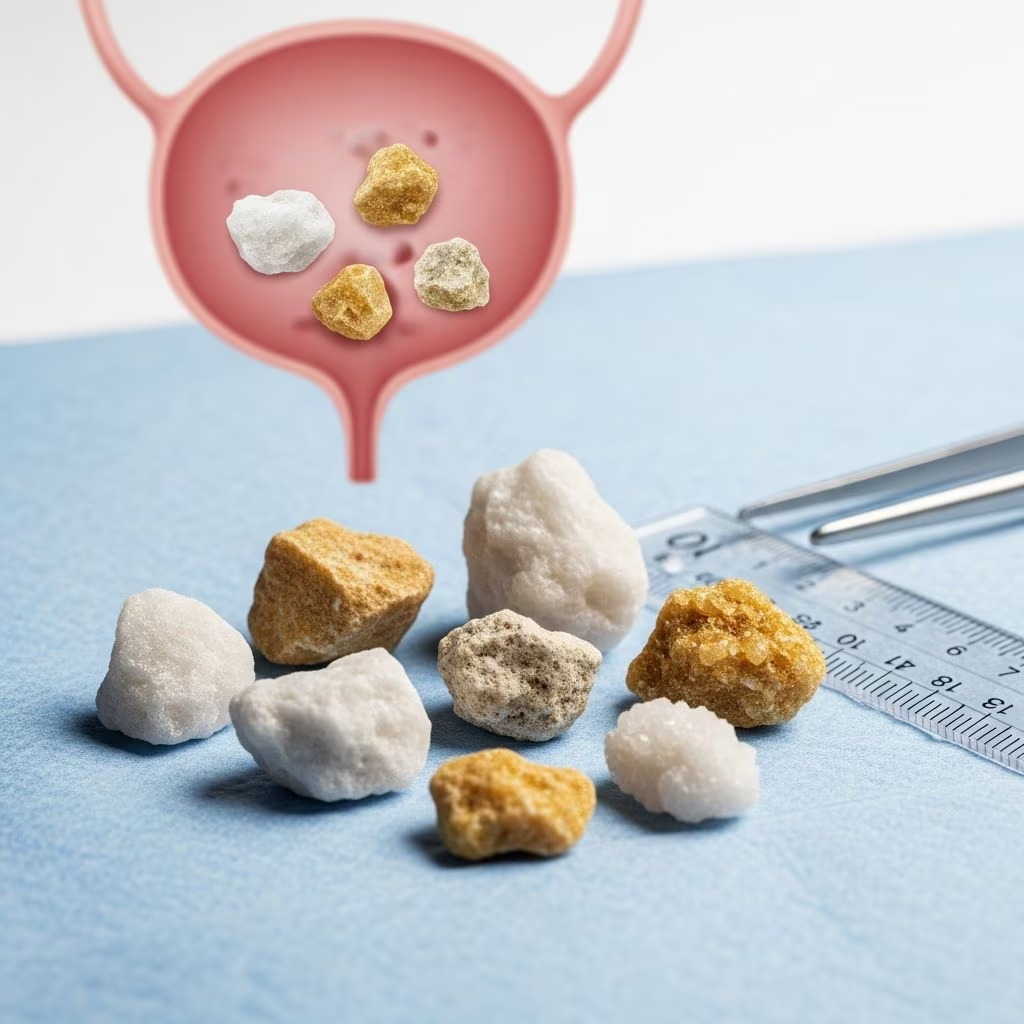
Understanding Urate Bladder Stones in Dogs
Urate bladder stones, also known as uroliths or urinary calculi, are mineral-based formations that develop in a dog’s bladder. These stones form when minerals and other substances in the urine crystallize and accumulate over time. Urate stones specifically are composed primarily of uric acid and ammonia compounds, making them distinct from other types of bladder stones such as struvite or calcium oxalate stones.
While bladder stones can vary significantly in size and number, urate stones represent a particular challenge in veterinary medicine because they tend to occur in specific dog breeds and require targeted dietary and medical management. Understanding the nature of these stones, their causes, and available treatment options is essential for dog owners concerned about their pet’s urinary health.
Causes of Urate Bladder Stones in Dogs
Urate bladder stones develop through a complex interplay of genetic, metabolic, and dietary factors. The primary cause involves elevated levels of uric acid and ammonia in the dog’s urine, which encourages crystal formation and subsequent stone development.
Genetic Predisposition: Certain dog breeds show a significantly higher tendency to develop urate stones. Dalmatians are particularly susceptible, with some studies indicating that up to one-third of the breed may experience stone formation at some point in their lives. English Bulldogs, Pugs, and other breeds also show increased susceptibility to urate urolithiasis. Dogs with a family history of bladder stones face elevated risk factors.
Metabolic Disorders: Hyperuricosuria and hyperuricemia are metabolic conditions characterized by excessive uric acid in the blood and urine. These conditions dramatically increase the likelihood of urate stone formation. Some dogs inherit these conditions genetically, while others may develop them secondary to liver disease or other systemic conditions.
Dietary Factors: High-protein diets can increase urinary uric acid levels, promoting stone formation in susceptible dogs. Additionally, diets that produce acidic urine create an environment more favorable for urate crystal precipitation compared to neutral or slightly alkaline urine.
Urinary Tract Infections: While less common with urate stones than with struvite stones, bacterial infections can contribute to stone formation by altering urine composition and pH.
Clinical Signs and Symptoms
Dogs with developing or established urate bladder stones may display various clinical signs depending on stone size, location, and whether complete urinary obstruction has occurred. Many dogs in early stages show no symptoms whatsoever, and stones may only be discovered during routine veterinary examinations performed for unrelated reasons.
When symptoms do develop, they typically include:
- Straining to urinate, also called stranguria
- Frequent urination in small amounts, or pollakiuria
- Blood in the urine, known as hematuria
- Urinating in inappropriate locations or urinary incontinence
- Abdominal pain or discomfort
- Difficulty or inability to urinate completely
- Licking at the genital area
- Loss of appetite or decreased appetite
- Lethargy or reduced activity level
- Pain in the rear quarters
- Reluctance to jump or engage in normal play activities
In male dogs, complete urinary obstruction represents a medical emergency requiring immediate veterinary intervention. This condition prevents urine passage entirely and can lead to kidney damage, electrolyte imbalances, and life-threatening complications within hours if untreated.
Diagnosis of Urate Bladder Stones
Veterinarians employ multiple diagnostic approaches to confirm the presence and type of bladder stones in dogs showing clinical signs or presenting with risk factors for stone formation.
Urinalysis: This fundamental diagnostic test examines a sample of the dog’s urine under a microscope to identify crystals, evaluate pH, check for blood or protein, and identify potential bacterial infections. Urate crystals in the urine strongly suggest urate stone formation. The test also measures specific gravity, which reflects urine concentration levels.
Blood Work: A complete blood chemistry panel evaluates overall health and screens for abnormalities that might contribute to stone formation, including elevated uric acid levels, kidney function parameters, and electrolyte balance. This testing helps identify underlying metabolic disorders contributing to stone development.
Abdominal Radiography: X-ray imaging of the abdomen allows veterinarians to visualize stones within the bladder. However, not all urate stones are equally radiopaque (visible on X-rays), and some smaller stones may be difficult to detect using radiography alone. Radiographs also help assess kidney size and rule out other abdominal abnormalities.
Abdominal Ultrasound: Ultrasonic imaging is particularly sensitive for detecting bladder stones regardless of mineral composition and radiodensity. During this non-invasive procedure, a veterinarian places gel and an ultrasound probe on the lower abdomen where the bladder is located, creating detailed images of the bladder interior. Ultrasound also evaluates bladder wall thickness and identifies secondary changes associated with chronic stone irritation.
Urine Culture: When urinary tract infection is suspected, a sterile urine sample is cultured to identify the specific bacterial organism and determine appropriate antibiotic therapy. This test proves particularly important because many dogs with bladder stones develop concurrent infections requiring targeted treatment.
Treatment Options for Urate Bladder Stones
Treatment approaches for urate bladder stones depend on stone size, number, the dog’s overall health status, and whether complete urinary obstruction exists. Veterinarians typically recommend individualized treatment plans based on these factors.
Medical Management and Dietary Dissolution
Prescription Therapeutic Diets: The primary medical approach for urate stone management involves feeding prescription-only urinary therapeutic diets designed to alter urine composition unfavorably for urate crystal formation. These specialized diets typically contain reduced protein levels, as dietary protein directly influences uric acid excretion. By minimizing ammonia and uric acid concentration in the urine, these diets encourage existing stones to dissolve gradually while preventing new stone formation.
Dogs managed with therapeutic diets generally require 4 to 6 weeks of consistent dietary feeding for complete stone dissolution, though results vary based on individual patient factors and stone size. During this dissolution period, dogs must receive only the prescription diet—no treats, table scraps, or other food items, as any deviation compromises treatment effectiveness. Fresh water should be available continuously.
Urine Alkalinization: Since acidic urine promotes urate crystal formation, veterinarians may recommend dietary modifications or supplementation with potassium citrate to alkalinize the urine, creating an environment less favorable for stone development. Slightly alkaline urine (pH 6.5-7.0) helps prevent recurrent stone formation.
Antimicrobial Therapy: When bacterial urinary tract infections accompany bladder stones, appropriate antibiotics must be administered concurrently with dietary dissolution therapy. Urine culture testing identifies the specific causative organism, allowing selection of the most effective antibiotic. Treatment typically continues for at least one month after radiographic or ultrasonic confirmation of complete stone dissolution.
Allopurinol Medication: This pharmaceutical agent decreases uric acid production in dogs with metabolic disorders predisposing to urate stone formation. Allopurinol can be combined with dietary management for enhanced prevention, though care must be taken as this medication carries a risk of xanthine stone formation as an alternative complication.
Surgical Removal
Cystotomy: Surgical removal of bladder stones through a procedure called cystotomy represents the most direct approach when stones are too large to dissolve medically or when they cannot be flushed from the bladder through catheterization. During this surgical procedure, a veterinarian makes an incision into the bladder, manually removes the stones, then carefully closes the bladder and abdominal incisions. This approach provides immediate relief from obstruction and discomfort.
Catheterization and Flushing: For dogs with only small bladder stones, a urinary catheter can be placed to gently flush the bladder with sterile saline solution. This procedure may encourage small stones to exit the bladder and pass through normal urination.
Laser Lithotripsy: Advanced facilities may employ laser lithotripsy technology to break large bladder stones into smaller fragments that can subsequently be flushed from the bladder or passed in urine. This technique reduces the need for more invasive surgical approaches in some cases.
Recovery and Long-Term Management
Recovery prognosis for dogs treated for urate bladder stones is generally favorable when underlying causes are appropriately addressed. However, without continued preventive management, stone recurrence remains a significant concern.
Post-Treatment Monitoring: Following stone removal or dissolution, veterinarians establish monitoring schedules including periodic urinalysis, urine culture when indicated, and radiographic or ultrasonic imaging to detect early signs of recurrence. Regular monitoring allows early intervention if stone formation begins again and helps assess therapeutic diet compliance and effectiveness.
Dietary Management: Long-term prevention primarily depends on continued feeding of prescription therapeutic urinary diets formulated to maintain urine composition that discourages urate crystal formation. Dogs with genetic predisposition or metabolic disorders typically require lifelong dietary management to prevent stone recurrence.
Medication Compliance: Dogs receiving allopurinol or other pharmaceutical agents for metabolic management must maintain consistent medication administration as prescribed. Medication lapses increase recurrence risk significantly.
Hydration Status: Maintaining adequate hydration helps dilute urine, reducing mineral concentration and crystal formation tendency. Providing continuous access to fresh water and monitoring fluid intake supports prevention efforts.
Recurrence Rates: Studies indicate that among Dalmatians with urate stones, the recurrence rate after removal reaches 33-50% without preventive intervention. This high recurrence rate underscores the importance of strict adherence to prevention protocols including diet, medication, and follow-up monitoring.
Breed-Specific Considerations
Certain dog breeds require special attention regarding urate bladder stone risk. Dalmatians have a well-documented genetic tendency toward hyperuricosuria, making them particularly susceptible to urate stone formation. Many veterinarians recommend that Dalmatian owners, especially those considering breeding, discuss screening options and preventive strategies with their veterinarians. English Bulldogs, Pugs, and other breeds also show elevated incidence rates compared to mixed-breed dog populations.
Prevention Strategies
Preventing urate bladder stone formation in susceptible dogs involves multiple coordinated approaches:
- Feeding low-protein prescription diets designed for urinary health
- Maintaining consistent access to fresh water to promote dilute urine
- Providing regular bathroom breaks to minimize urine retention
- Monitoring for early warning signs including straining, frequent urination, or blood in urine
- Scheduling regular veterinary check-ups for dogs with known risk factors
- Considering allopurinol therapy for dogs with confirmed metabolic disorders
- Managing urinary tract infections promptly with appropriate antibiotic therapy
- Maintaining healthy body weight to reduce metabolic stress
Frequently Asked Questions
Q: Can urate bladder stones be prevented completely in susceptible breeds?
A: While complete prevention cannot be guaranteed in genetically predisposed dogs, strict adherence to prescription therapeutic diets, adequate hydration, and appropriate medication significantly reduces formation risk and recurrence rates. Regular monitoring allows early detection if stones begin forming despite preventive measures.
Q: How long does dietary dissolution of urate stones typically take?
A: Most dogs show significant stone dissolution within 4 to 6 weeks of consistent therapeutic diet feeding, though individual variation occurs based on stone size, urine concentration, and diet compliance. Complete dissolution may require 8-12 weeks in some cases.
Q: Is surgery always necessary for urate bladder stones?
A: No. Many urate stones can be successfully managed medically through prescription diet, medication, and urine alkalinization. Surgery becomes necessary when stones are too large to dissolve, when complete urinary obstruction occurs, or when medical management fails despite appropriate compliance.
Q: What emergency signs warrant immediate veterinary attention?
A: Complete inability to urinate, severe abdominal pain, lethargy, vomiting, or straining without producing any urine represent emergencies requiring immediate veterinary evaluation. These signs suggest possible complete urinary obstruction, which becomes life-threatening within hours if untreated.
Q: Can my dog eat regular food while undergoing stone dissolution therapy?
A: No. Therapeutic diet must be the only food consumed during dissolution treatment. Any regular food, treats, or table scraps can interfere with treatment effectiveness and prolong the dissolution timeline. Consistency is essential for successful medical management.
Q: Do all dogs with urate stones require lifelong dietary management?
A: Dogs with genetic predisposition or metabolic disorders typically benefit from lifelong therapeutic diet feeding to prevent recurrence. Your veterinarian can assess individual circumstances and recommend appropriate long-term management strategies based on your dog’s specific condition.
References
- Bladder Stones in Dogs: Symptoms, Prevention, and More — PetMD. 2024. https://www.petmd.com/dog/conditions/urinary/bladder-stones-dogs-symptoms-prevention-and-more
- Urolithiasis in Dogs – Urinary System — MSD Veterinary Manual. 2024. https://www.msdvetmanual.com/urinary-system/urolithiasis-in-small-animals/urolithiasis-in-dogs
- Urolithiasis in Dogs – Urinary System — Merck Veterinary Manual. 2024. https://www.merckvetmanual.com/urinary-system/urolithiasis-in-small-animals/urolithiasis-in-dogs
- Hyperuricosuria and Hyperuricemia or Urolithiasis (HUU) — Cornell University College of Veterinary Medicine, Riney Canine Health Center. 2024. https://www.vet.cornell.edu/departments-centers-and-institutes/riney-canine-health-center/canine-health-information/hyperuricosuria-and-hyperuricemia-or-urolithiasis-huu
- Urinary Stones — American College of Veterinary Surgeons. 2024. https://www.acvs.org/small-animal/urinary-stones/



