

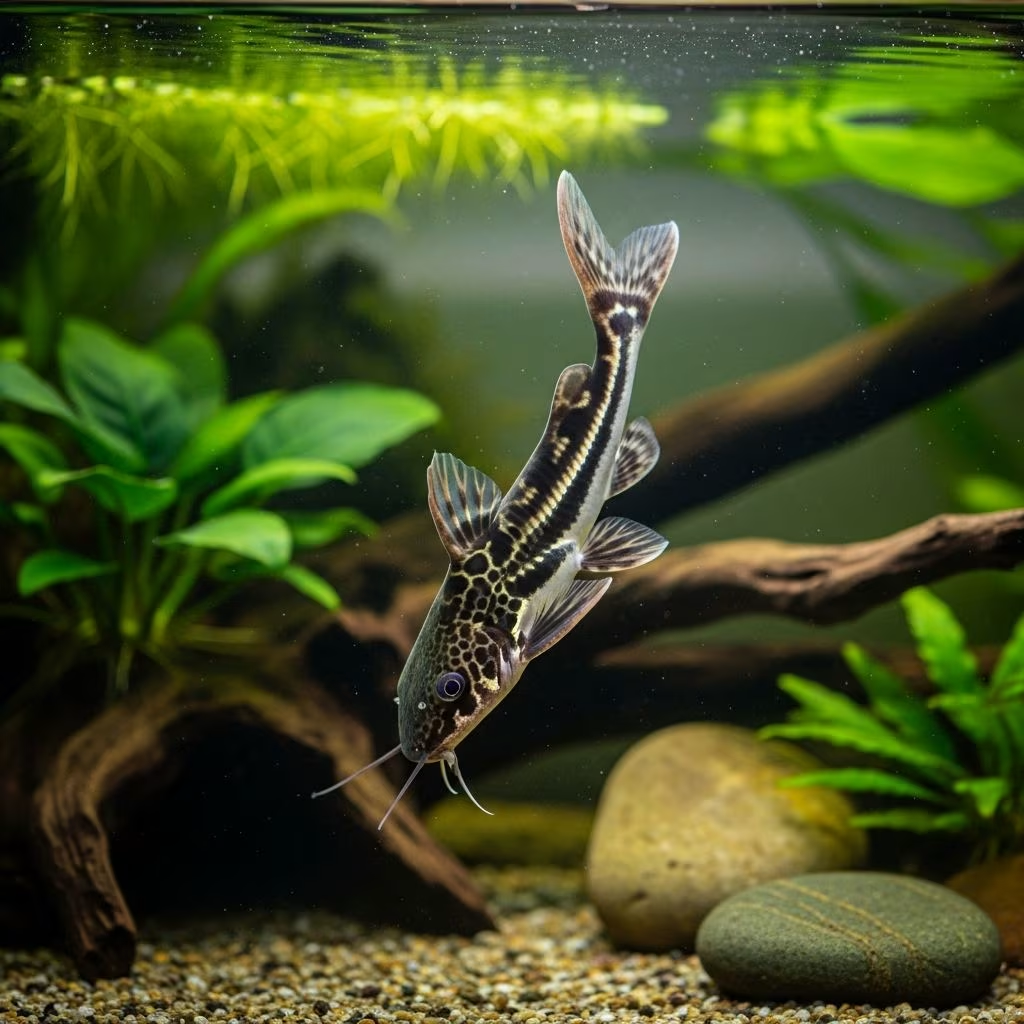
Understanding the Upside-Down Catfish
The upside-down catfish, scientifically known as Synodontis nigriventris, is a fascinating freshwater species that has captivated aquarium enthusiasts for decades. Unlike most fish that exhibit swimming difficulties when inverted, this unique catfish naturally swims upside down as part of its normal behavioral pattern. When a typical fish swims upside down, it typically signals a serious health concern. However, for the upside-down catfish, this inverted swimming orientation is completely natural and represents one of the most distinctive characteristics of the species. This remarkable adaptation allows the fish to efficiently forage for food in unusual locations, including the undersides of plant leaves, rocks, and submerged wood.
One of the most interesting physiological adaptations of the upside-down catfish is its immunity to dorsal light response (DLS). Most fish exhibit a tendency to tilt their bodies toward light sources, whether natural sunlight or bright artificial lighting. This adaptation helps fish maintain proper orientation in their natural environments. However, the upside-down catfish does not respond to this light stimulus in the traditional way, which further supports its unique evolutionary development for an inverted lifestyle.
Setting Up the Ideal Aquatic Habitat
Tank Size and Configuration
Creating an appropriate environment for your upside-down catfish begins with selecting an adequately sized aquarium. A minimum tank size of 29 gallons provides sufficient space for these fish to exhibit their natural behaviors and maintain proper water quality. The tank should be well-established, meaning it has completed its nitrogen cycle and contains beneficial bacterial colonies that help maintain water chemistry stability.
Substrate Selection
The substrate choice is particularly important for upside-down catfish because these fish possess delicate barbels that can be easily damaged by rough materials. The barbels are sensory organs that help the fish navigate and locate food. Therefore, selecting appropriate substrate is not merely a preference but a necessity for the fish’s wellbeing. The ideal setup includes multiple substrate areas consisting of fine sand, fine gravel (approximately 2 millimeters), and potentially plant-specific substrates. However, any rough or coarse substrate areas should be eliminated or covered to prevent injury to the fish’s sensitive barbels. Sand proves to be the most suitable substrate option as it provides a smooth surface that will not harm these delicate structures.
Lighting Requirements
Lighting for upside-down catfish should be moderate and carefully considered. A fluorescent 20-watt T8 bulb providing slightly more than half a watt per gallon of lighting creates an appropriate lighting environment. Since these fish are naturally nocturnal and spend significant time in caves and under vegetation in their natural habitat, they do not require intense lighting. In fact, a dimly lit environment more closely mimics their natural ecosystem and helps reduce stress.
Filtration and Water Movement
Two hang-on-the-back filters can effectively provide gentle current while maintaining adequate water movement. The filtration system should be efficient enough to handle the waste produced by these voracious eaters without creating excessive current that stresses the fish. Water flow should be moderate to moderately vigorous, avoiding overly strong currents that could negatively impact the fish’s wellbeing. The filters help maintain optimal water quality by removing uneaten food, waste products, and other contaminants that could degrade the aquatic environment.
Water Parameters and Chemistry
Temperature Control
Maintaining proper water temperature is essential for the health and longevity of your upside-down catfish. These tropical fish thrive in warm water conditions, with an ideal temperature range of approximately 77 degrees Fahrenheit. A reliable 250-watt heater helps maintain stable temperatures throughout the tank, preventing fluctuations that could stress the fish or compromise their immune system. Consistent water temperature is crucial for maintaining stable metabolic functions and promoting overall health.
pH and Water Hardness
The upside-down catfish prefers moderately soft water with a relatively neutral pH level. While some slight acidity is tolerable, maintaining pH as close to neutral (around 7.0) as possible provides optimal conditions. The water should avoid extreme hardness, instead favoring the softer conditions found in their native Central African habitats. Regular testing with reliable aquarium test kits helps ensure these parameters remain within acceptable ranges.
Water Quality Parameters
Beyond temperature and pH, other critical water quality parameters include nitrogen compounds and oxygenation. Ammonia should remain at zero ppm, nitrite at zero ppm, and nitrates should stay below 20 ppm. These parameters directly impact fish health and behavior. Well-oxygenated water is particularly important, so consider installing an air stone or bubbler to enhance oxygen levels. Frequent partial water changes of 25-30 percent every two weeks help maintain these optimal conditions by removing accumulated waste and nitrates.
Tank Decorations and Habitat Features
Caves and Hiding Spaces
Creating adequate hiding spaces is not a luxury but a necessity for keeping upside-down catfish. These naturally nocturnal fish spend substantial time during daylight hours seeking shelter in caves, under driftwood, and within dense vegetation. Providing multiple hiding options reduces stress and allows the fish to exhibit natural behaviors. Rocky caves, PVC tubes, and bogwood create excellent shelter options that mimic their natural riverbed habitat. The ideal location for feeding often becomes the cavern under large logs, where the fish feel secure while consuming food.
Live Plants and Vegetation
Robust planting throughout the tank provides dual benefits: it creates shady areas where the fish can hide during daylight hours and offers food foraging opportunities. The upside-down catfish naturally feeds on the undersides of large plant leaves in their natural environment. Incorporating various plant species at different levels creates a three-dimensional living space that supports the fish’s natural feeding behaviors. However, ensure sufficient open swimming space remains, particularly along the front of the tank, to allow the fish to move freely and exhibit their full behavioral repertoire.
Driftwood and Rock Formations
Driftwood and rock formations serve multiple purposes in the upside-down catfish aquarium. These elements provide the necessary surfaces where the fish feeds upside down, searching for algae, small organisms, and detritus. They also create the cavern structures that make the fish feel secure. When arranging these features, ensure they are safely secured to prevent collapse or injury to the fish.
Feeding Your Upside-Down Catfish
Diet Composition
The upside-down catfish is an omnivore, requiring a varied diet to maintain optimal health and nutrition. In their natural habitat, these fish consume insects, insect larvae (such as mosquito larvae), algae, and small organisms found on surfaces and in the water column. In the aquarium, providing a wide variety of food types ensures nutritional completeness. Frozen foods prove particularly effective, including bloodworms, Mysis shrimp, and mosquito larvae. These frozen options can be easily inserted into the cavern opening using long-handled tongs, positioned approximately 2 inches into the cave entrance.
Feeding Schedule and Quantities
Feed your upside-down catfish once or twice daily, being careful not to overfeed. Excess food that remains uneaten will decompose on the tank bottom, deteriorating water quality and potentially causing health problems. The bottom of the tank should be thoroughly vacuumed during regular maintenance to remove any uneaten food or waste. In community tanks with multiple fish, ensure the upside-down catfish has adequate access to food, as they may be outcompeted by faster-moving species. Overfeeding often contributes to common health issues, particularly swim bladder problems.
Behavior and Temperament
Understanding the natural behavior of upside-down catfish helps aquarists create appropriate environments and anticipate their needs. These fish are largely nocturnal, spending most daylight hours hidden in caves, under driftwood, and within dense vegetation. Once darkness falls, they become increasingly active and venture throughout the tank in search of food. Their activity is not restricted to the bottom substrate; they will explore all areas of the water column.
The upside-down catfish is notably peaceful and gets along excellently with other non-aggressive fish species. They make ideal community tank inhabitants alongside peaceful cichlids, tetras, and other community fish. However, they should never be housed with aggressive species that might bully or harass them. Their unique swimming behavior makes them particularly vulnerable to aggressive tank mates who might find their inverted orientation unusual or challenging.
Interestingly, the coloration of the upside-down catfish has adapted to support this unique lifestyle. The darker skin pigmentation appears on the top side of the fish because that side, facing downward in their normal swimming position, receives more sunlight exposure in their natural habitat. This reverse coloration pattern provides camouflage when the fish swim upside down, helping them blend with shadowed undersides of surfaces.
Common Health Issues and Prevention
Swim Bladder Problems
Ironically, despite their natural upside-down swimming behavior, upside-down catfish can develop swim bladder issues. This condition affects their buoyancy control, causing them to struggle maintaining their characteristic inverted position. Swim bladder problems typically arise from poor water conditions or overfeeding. Maintaining stable water parameters and feeding appropriate portions helps prevent this condition. If swim bladder issues develop, review feeding practices and water quality immediately.
Bacterial Infections
Poor water quality can lead to bacterial infections characterized by visible symptoms such as discoloration, swelling, and open wounds on the fish’s body. These infections require immediate attention and may necessitate treatment in a separate quarantine tank. Maintaining excellent water quality through regular partial water changes and efficient filtration significantly reduces infection risk.
Stress Indicators
Low activity levels, unusual swimming or positioning, remaining at the tank top when typically bottom-dwelling, or refusing to eat all indicate potential health problems or stress. Stress typically results from poor water quality, inadequate hiding spaces, incompatible tank mates, or other environmental factors. Addressing the underlying cause promptly prevents disease development and supports long-term fish health.
Tank Maintenance and Care Schedule
Regular maintenance practices ensure sustained water quality and fish health. Partial water changes of 25-30 percent should occur every two weeks, replacing old water with fresh, dechlorinated water of similar temperature. During these changes, thoroughly vacuum the tank bottom to remove accumulated uneaten food, waste, and detritus. This prevents the buildup of organic compounds that degrade water quality and promote disease.
Filter maintenance should occur regularly, cleaning filter media in removed tank water rather than tap water to preserve beneficial bacterial colonies. Monitor water parameters regularly using reliable test kits, ensuring ammonia, nitrite, and nitrate remain within acceptable ranges. Dead plant matter should be removed promptly to prevent decomposition from affecting water chemistry.
Lifespan and Long-Term Care
With proper husbandry, upside-down catfish can survive five to ten years in captivity. This relatively long lifespan reflects their resilience when provided appropriate care. A constant, stable environment combined with decent nutrition and compatible tank mates supports longevity. Some aquarists report their fish thriving for even longer periods when conditions remain optimal. The investment in proper setup and maintenance pays dividends through years of enjoyment watching these remarkable fish.
Frequently Asked Questions
Q: Why does my upside-down catfish swim upside down?
A: This is completely normal behavior for this species. They swim upside down to feed on the undersides of rocks, plants, and wood where food is abundant. Their unique physiology and immune response to light support this inverted swimming orientation.
Q: What tank size do upside-down catfish need?
A: A minimum tank size of 29 gallons is recommended, though larger tanks provide better water stability and more space for natural behaviors.
Q: Can upside-down catfish live with other fish?
A: Yes, they are peaceful fish that coexist well with other non-aggressive species like tetras and peaceful cichlids. Avoid aggressive fish that might bully them.
Q: What temperature should the water be?
A: Maintain water temperature at approximately 77 degrees Fahrenheit (around 25 degrees Celsius). Stable temperatures are essential for their health and longevity.
Q: How often should I feed my upside-down catfish?
A: Feed once or twice daily, providing only what the fish can consume in a few minutes. Overfeeding leads to poor water quality and health issues.
Q: What substrate is best for upside-down catfish?
A: Fine sand is ideal because it protects their sensitive barbels. Avoid rough substrates that could damage these important sensory organs.
Q: How long do upside-down catfish live?
A: With proper care, these fish typically live five to ten years, making them a long-term commitment for aquarists.
Q: Do upside-down catfish need special lighting?
A: Moderate lighting is appropriate. They prefer dimly lit environments similar to their natural habitat and don’t require intense lighting.
References
- Upside-Down Catfish Care Tips — Chewy. 2024. https://www.chewy.com/education/fish/general/upside-down-catfish-care-tips
- Upside Down Catfish: Care, Tank Setup & Fun Facts — WOpet. 2024. https://wopet.com/pet-tips/upside-down-catfish/
- Upside Down Catfish 101: Care, Size, Tank Mates — Aquarium Source. 2024. https://www.aquariumsource.com/upside-down-catfish/
- Fish Keeping Guidelines for Freshwater Species — Maidenhead Aquatics. 2024. https://www.fishkeeper.co.uk/fish/freshwater/catfish/upside-down-catfish



