

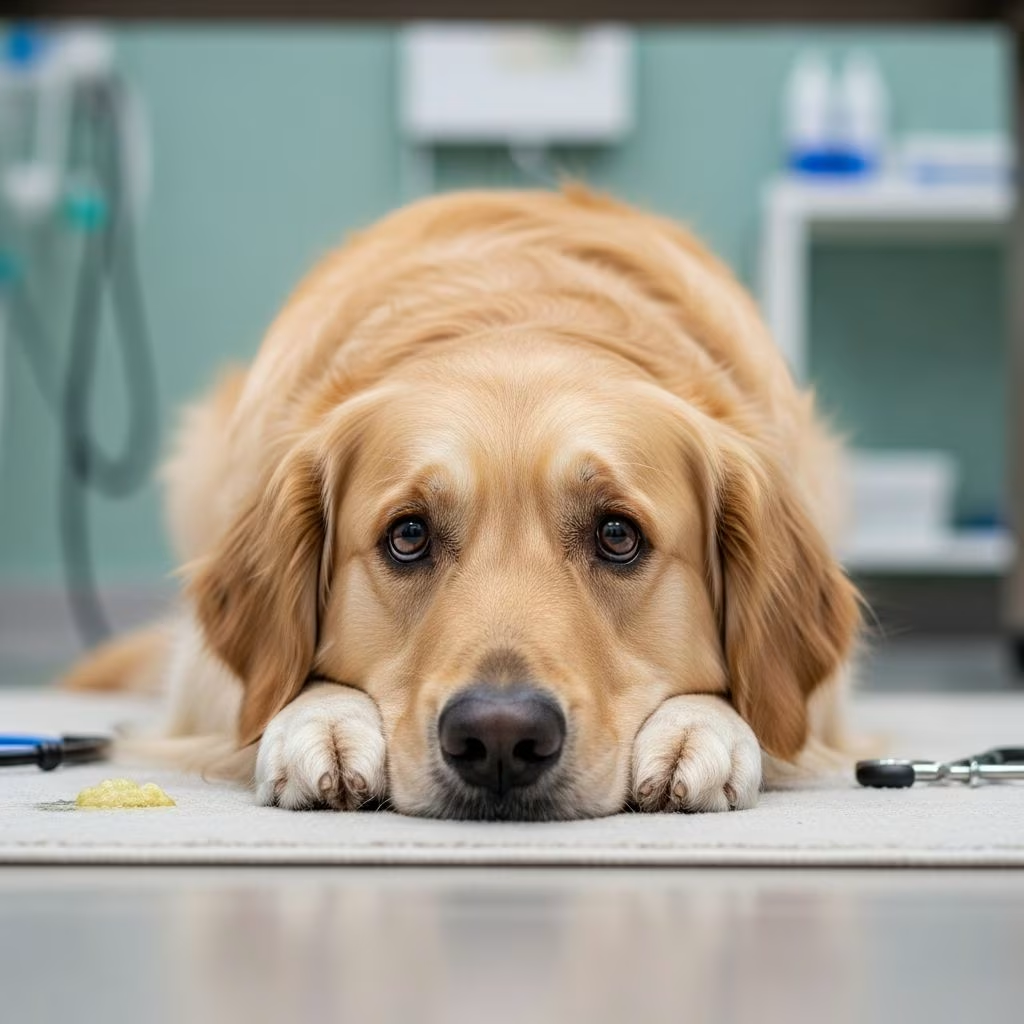
Dogs are naturally curious creatures, and their inquisitive nature sometimes leads them to eat things they shouldn’t. While occasional digestive upset is common, understanding the underlying causes and knowing how to respond can help you keep your furry companion healthy and comfortable. An upset stomach in dogs can range from minor discomfort to a sign of a more serious underlying condition.
What Is an Upset Stomach in Dogs?
An upset stomach in dogs, clinically referred to as gastroenteritis, is inflammation of the gastrointestinal tract involving the stomach and intestines. This condition manifests through various digestive symptoms that can significantly impact your dog’s quality of life. The severity of an upset stomach can vary widely, from mild cases that resolve on their own to severe cases requiring immediate veterinary intervention.
Although dogs of any age can develop an upset stomach, puppies and senior dogs are more susceptible due to their weaker immune systems. Young puppies lack fully developed digestive systems and immune responses, while senior dogs may have compromised organ function and increased sensitivity to dietary changes and infections.
Common Causes of Upset Stomach in Dogs
A dog’s upset stomach can stem from numerous causes, ranging from dietary factors to serious underlying diseases. Understanding these causes is essential for both prevention and treatment.
Dietary Causes
One of the most common triggers for upset stomachs in dogs is dietary indiscretion—eating garbage, spoiled food, or non-food objects. Dogs often scavenge for food, and their curiosity can lead to consuming items that upset their digestive systems. Additionally, sudden diet changes represent a significant risk factor. When switching your dog’s food, doing so gradually over 7-10 days helps their digestive system adjust properly. Abrupt transitions can shock the system and cause vomiting and diarrhea.
Food allergies and intolerances also contribute to upset stomachs. Some dogs react negatively to specific ingredients, low-quality components, grains, or particular proteins. Additionally, eating too fast can lead to digestive upset, as dogs may not properly chew their food or may swallow excess air.
Infectious Causes
Bacterial and viral infections represent serious causes of upset stomachs in dogs. Common culprits include salmonella and parvovirus, both of which can cause severe vomiting and diarrhea. Parasitic infections, including roundworms, hookworms, whipworms, giardia, and coccidia, are also frequent offenders, particularly in puppies and dogs with compromised immune systems.
Other Medical Causes
Medications can sometimes trigger digestive upset as a side effect. Stress and anxiety, even from routine changes like moving or separation anxiety, can cause gastrointestinal disturbances in sensitive dogs. More serious conditions that can manifest as upset stomachs include pancreatitis, inflammatory bowel disease, bloat, intestinal blockages, kidney failure, liver disease, and even cancer.
Foreign body ingestion presents a particularly dangerous cause requiring immediate veterinary attention. When dogs swallow non-digestible objects like string, toys, or other foreign materials, they can cause intestinal obstruction or perforation.
Signs and Symptoms of Upset Stomach
Recognizing the symptoms of upset stomach helps you determine whether home care is appropriate or veterinary intervention is necessary.
Primary Symptoms
Most dogs with upset stomachs experience intermittent episodes of vomiting and diarrhea. The vomit may contain foamy, yellowish bile, especially after the dog has emptied its stomach. Many owners notice dry heaving or gagging, particularly after their dog eats or drinks. Large volumes of diarrhea are commonly produced several times a day, often with a consistency similar to soft-serve ice cream.
Associated Symptoms
Beyond vomiting and diarrhea, dogs with upset stomachs typically display additional symptoms. These include nausea, acid reflux, and loss of appetite. Many dogs become visibly uncomfortable and tender when picked up around the abdomen or resist handling the stomach and hindquarters. Most affected dogs appear lethargic and less active than normal, preferring to rest rather than engage in their usual activities.
A low-grade fever is also common in dogs with gastroenteritis. Dehydration can develop quickly if vomiting and diarrhea persist for more than 24 hours, making hydration support critical. Watch for signs of dehydration such as dry gums, loss of skin elasticity, and excessive panting.
When to Seek Veterinary Care
While mild cases of upset stomach can sometimes be managed at home, certain situations demand immediate veterinary attention. Contact your veterinarian if your dog experiences vomiting or diarrhea lasting more than 24 hours, shows signs of severe dehydration, appears to be in significant pain, has blood in vomit or stool, or if you suspect your dog has ingested a foreign object or toxin.
Diagnosis of Upset Stomach
Gastroenteritis is a diagnosis of exclusion, meaning your veterinarian will eliminate other more serious causes before confirming a general diagnosis of upset stomach. A thorough diagnostic approach ensures that underlying conditions are identified and treated appropriately.
Medical History and Physical Examination
The diagnostic process begins with obtaining a detailed medical history. Critical information includes when symptoms began, what your dog may have eaten, current medications, vaccination status, and any recent diet changes. Your veterinarian will then perform a thorough physical examination, looking for evidence of dehydration, abdominal pain, tenderness, bloating, gas, swellings, or other abnormalities. Temperature and vital signs including heart rate and respiratory rate will be recorded.
Diagnostic Testing
Depending on the severity and duration of symptoms, your veterinarian may recommend various diagnostic tests to identify the underlying cause:
- Complete blood cell count (CBC)—indicates the presence of dehydration and infection
- Serum chemistries and electrolytes—detect organ system abnormalities and electrolyte imbalances from vomiting and diarrhea
- Urinalysis—detects urinary tract infections, kidney disease, dehydration, and other urinary abnormalities
- Abdominal radiographs (X-rays)—search for stomach or intestinal obstruction or other abnormal findings
- Abdominal ultrasound—assess intestinal obstructions and other structural abnormalities
Your dog’s specific diagnostic workup will be determined by the severity and duration of clinical signs combined with findings from the medical history and physical examination.
Treatment Options for Upset Stomach
Treatment approaches vary depending on the identified cause and severity of your dog’s condition. The principal treatment for most cases involves rehydration and restoring blood electrolyte balance.
Fluid and Electrolyte Management
Depending on the degree of dehydration, fluid replacement will be administered orally, subcutaneously (beneath the skin), or intravenously (IV). Severe dehydration typically requires professional veterinary care with IV fluids to restore proper hydration and electrolyte balance quickly and effectively.
Medications
Medical treatment may include several types of medications based on your dog’s specific condition:
- Antibiotics such as metronidazole or ampicillin if clinical signs are severe or if diagnostic tests suggest a bacterial infection
- Antidiarrheal drugs to modify intestinal motility after ruling out mechanical or anatomical issues
- Anti-emetic medications such as maropitant (Cerenia) or metoclopramide (Reglan) to reduce vomiting
- Gastrointestinal protectants like famotidine (Pepcid) or ranitidine (Zantac) to prevent stomach ulcers
Famotidine, commonly known by the brand name Pepcid, works by reducing stomach acid production and can effectively treat upset stomachs caused by acidic stomach conditions, esophagitis, gastric ulcers, and frequent vomiting.
Dietary Management
Food is often withheld during the initial stages of treatment for 12-24 hours to rest the digestive system, then slowly reintroduced. Your veterinarian may recommend small, frequent feedings of a highly digestible, low-fat diet. Bland options such as boiled chicken and rice or plain pumpkin are commonly suggested. These foods are gentle on the stomach while providing essential nutrition for recovery.
If your dog has a specific food allergy or intolerance, your veterinarian may prescribe a hydrolyzed or novel protein diet for long-term management. If the diet helps resolve symptoms, your veterinarian may recommend continuing it long-term to prevent future episodes.
Special Cases
If your dog has ingested a foreign object blocking the stomach or intestines, surgery will be necessary to remove it. For dogs with parvovirus, isolation from other dogs is essential, and hospitalization may be required for intravenous fluid support and antibiotics to manage secondary bacterial infections. Recent advances include monoclonal antibody injections that target parvovirus directly and reduce the duration of supportive care needed.
If your dog has ingested a toxin, your veterinarian may induce vomiting or administer activated charcoal to prevent absorption.
Home Remedies and Supportive Care
For mild cases of upset stomach, several home remedies can provide supportive care while your dog’s digestive system recovers:
Nutritional Support
Short-term fasting for 12-24 hours in adult dogs allows the digestive system to rest. Following this fasting period, introduce a bland diet consisting of boiled chicken and rice, plain pumpkin, or sweet potatoes. Bone broth offers another gentle option that provides hydration while being easy on the stomach.
Digestive Health
Probiotics or plain yogurt support healthy gut bacteria and improve digestion. These beneficial microorganisms help restore the natural balance of the digestive tract, promoting faster recovery from upset stomach.
Hydration Support
Ensure fresh water is always available. If your dog is reluctant to drink, offer ice cubes or diluted electrolyte solutions to maintain hydration levels. Proper hydration is critical during vomiting and diarrhea episodes.
Prevention Strategies
Preventing upset stomach in dogs involves several practical strategies. Introduce any new foods gradually over 7-10 days rather than making abrupt dietary switches. Keep garbage and toxic substances securely out of reach, as dietary indiscretion remains a leading cause of upset stomachs. Ensure your dog maintains an appropriate exercise schedule and receives regular preventive care including vaccinations and parasite prevention. Managing stress through consistent routines and gradual introductions to new situations also helps protect digestive health.
Frequently Asked Questions
Q: How long should I fast my dog if they have an upset stomach?
A: Most veterinarians recommend fasting adult dogs for 12-24 hours to rest the digestive system, then gradually reintroducing a bland diet. Always consult your veterinarian for specific guidance based on your dog’s age, weight, and condition.
Q: Can I give my dog over-the-counter medication for an upset stomach?
A: While some over-the-counter medications like famotidine (Pepcid) are used in dogs, always consult your veterinarian before administering any medication. Improper dosing or use in certain conditions can be harmful.
Q: When should I take my dog to the veterinarian for an upset stomach?
A: Contact your veterinarian if vomiting or diarrhea lasts more than 24 hours, if your dog shows signs of severe pain, if there is blood in vomit or stool, or if your dog appears severely dehydrated or lethargic.
Q: Are puppies more prone to upset stomachs than adult dogs?
A: Yes, puppies and senior dogs are more susceptible to upset stomachs due to weaker immune systems. Puppies are especially vulnerable to infections and parasites, making preventive care crucial.
Q: Can stress cause an upset stomach in dogs?
A: Yes, stress and anxiety can cause gastrointestinal upset in dogs, similar to humans. Changes in routine, separation anxiety, and new environments may trigger digestive symptoms.
Q: What is the best bland diet for a dog with an upset stomach?
A: Boiled chicken with rice, plain pumpkin, and sweet potatoes are excellent bland options. Bone broth provides hydration and nutrition. Always introduce these foods gradually and follow your veterinarian’s recommendations.
References
- Gastroenteritis in Dogs — VCA Animal Hospitals. Accessed November 2025. https://vcahospitals.com/know-your-pet/gastroenteritis-in-dogs
- What to Do If Your Dog Has an Upset Stomach — Spot & Tango. Accessed November 2025. https://www.spotandtango.com/blog/upset-stomach-in-dogs
- What to Give a Dog for Upset Stomach and Vomiting — GoodRx. Accessed November 2025. https://www.goodrx.com/pet-health/dog/what-to-give-a-dog-for-upset-stomach-and-vomiting
- What to Do if Your Dog Has an Upset Stomach — WebMD. Accessed November 2025. https://www.webmd.com/pets/dogs/what-to-do-if-your-dog-has-an-upset-stomach
- Upset Stomach in Dogs: Signs and What To Do — PetMD. Accessed November 2025. https://www.petmd.com/dog/conditions/digestive/upset-stomach-dogs
- Does my dog have an upset stomach? — Family Pet Hospital Clovis. Accessed November 2025. https://www.fphclovis.com/site/blog/2023/03/21/does-dog-have-upset-stomach



