

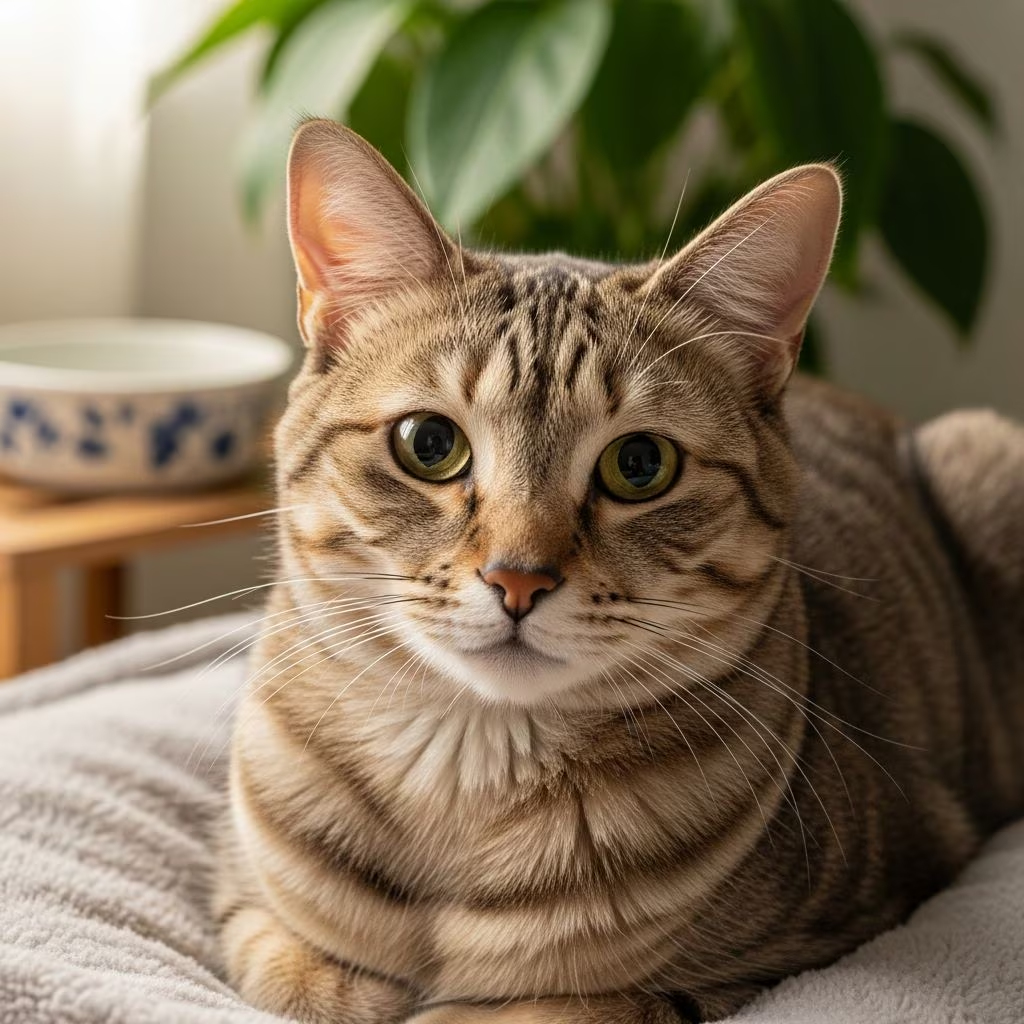
An upset stomach in cats can stem from various causes, ranging from something as simple as eating a new food to more serious underlying medical conditions or diseases. Just like humans, cats experience digestive discomfort from time to time, but knowing how to identify the signs and respond appropriately can make a significant difference in your pet’s health and comfort. Understanding what causes these issues and how to address them is essential for any cat owner.
Signs Your Cat Has an Upset Stomach
Recognizing the symptoms of digestive distress in your cat is the first step toward helping them feel better. Cats are naturally stoic animals, often hiding their discomfort, so it’s important to watch for subtle changes in behavior and physical signs.
The most common indicators of stomach upset in cats include:
- Vomiting — One of the most obvious signs that something is wrong with your cat’s digestive system
- Lack of appetite — A noticeable decrease in food consumption or complete refusal to eat
- Diarrhea — Loose or watery stools that may indicate digestive inflammation
- Lethargy — Unusual tiredness and lack of energy or interest in play
- Abdominal pain — Your cat may appear tense, withdrawn, or be more reactive to their environment
If your cat exhibits repeated bouts of vomiting, diarrhea, or loss of appetite, it’s crucial to consult with your veterinarian as soon as possible. Additionally, if your cat experiences severe diarrhea lasting longer than 24 hours or shows other concerning symptoms, contact your vet immediately.
Common Causes of Upset Stomach in Cats
Understanding what triggers your cat’s digestive issues can help you prevent future episodes and determine the appropriate course of action. The causes of upset stomachs in cats are varied and can be categorized into gastrointestinal and non-gastrointestinal factors.
Gastrointestinal Causes
Issues directly affecting the digestive tract are among the most common culprits behind feline stomach upset. These include:
- Hairballs — A frequent cause of vomiting, especially in long-haired breeds
- Parasites — Particularly common in young cats and kittens
- Intestinal foreign bodies — Such as string, toys, or other objects that shouldn’t be ingested
- Food sensitivities or allergies — Cats can be allergic or sensitive to certain food ingredients, just like humans
- Inflammatory bowel disease (IBD) — A chronic condition affecting the digestive tract
- Bacterial overgrowth — An imbalance in the gut microbiome
- Stomach ulcers — Open sores in the stomach lining
- Cancer — A more serious condition that requires immediate attention
- Ingestion of toxic substances — Certain foods or chemicals harmful to cats
Non-Gastrointestinal Causes
Conditions affecting other body systems can also lead to digestive upset in cats:
- Liver disease — Affects overall digestive function
- Kidney disease — Can cause nausea and poor appetite
- Pancreatitis — Inflammation of the pancreas
- Urinary tract infections — May cause secondary digestive issues
- Hormonal disorders — Such as hyperthyroidism or diabetes
- Brain disorders — Conditions causing vertigo or dizziness
- Infections — Bacterial or viral infections affecting multiple systems
- Pain or stress — Emotional and physical stress can trigger digestive upset
Food-Related Issues
Diet plays a crucial role in your cat’s digestive health. Rapid diet changes are one of the most frequent causes of stomach upset. Some cats have sensitive stomachs and don’t tolerate sudden shifts from one food to another. Additionally, feeding your cat human foods that are toxic to them or difficult to digest can cause significant problems. It’s important to transition gradually to new foods over a period of 7-10 days, mixing increasing amounts of the new food with the old food.
Eating Too Quickly
Another common cause of upset stomach is eating too fast. When cats consume their kibble too quickly, they often swallow food whole, leading to gagging and digestive distress. To slow down an enthusiastic eater, consider using a larger kibble size that requires more chewing time, feeding smaller portions more frequently, using a food distributor ball, or switching to a slow feeder bowl or flat plate that spreads out the food.
Stress
Just like humans, cats can experience stress-related digestive issues. Excessive stress in cats can trigger indigestion, vomiting, diarrhea, and constipation. Environmental changes, loud noises, moving to a new home, or changes in routine can all contribute to stress-related stomach upset. Signs of stress-related digestive issues may include a tense demeanor, withdrawn behavior, and increased reactivity to environmental stimuli.
What to Feed a Cat With an Upset Stomach
When your cat is experiencing digestive troubles, dietary management becomes a critical component of treatment. Most veterinarians recommend specific feeding strategies to help soothe an inflamed digestive tract and promote healing.
Bland Diet Recommendations
During periods of digestive upset, your vet will likely recommend a bland diet. This typically consists of plain, unseasoned boiled chicken and rice, which are gentle on the digestive system and easy to digest. Some vets also recommend adding a small amount of pumpkin, which contains beneficial fiber that can help firm up loose stools and settle the digestive tract.
Important note: Never use canned pumpkin pie filling, as it often contains seasonings like nutmeg that are toxic to cats. Always use plain, unseasoned pumpkin or pumpkin-based treats specifically formulated for cats.
Prescription Diets
For cats with fiber-responsive diarrhea or chronic digestive issues, your veterinarian may recommend prescription cat food formulated specifically for gastrointestinal health. These diets are easier to digest and often contain prebiotics and beneficial fatty acids that support digestive and immune health. Prescription options like Royal Canin Veterinary Diet Gastrointestinal Fiber Response include specially selected ingredients such as brewers’ rice, B vitamins, and psyllium husk seed.
Supplements and Additives
With your vet’s approval, several supplements can help support your cat’s digestive recovery:
- Probiotics — Formulations specifically labeled for cats can help balance the gut microbiome, especially if the upset stomach resulted from rapid diet changes. Purina Pro Plan FortiFlora is a popular option that comes as a powder, making it easy to mix with food.
- Pumpkin — Plain pumpkin or pumpkin-based treats can provide additional fiber to help regulate stool consistency
- Hairball remedy supplements — If hairballs are the culprit, over-the-counter options like Tomlyn Hairball Remedy can help eliminate and prevent future hairballs
- Hydration support — Ensure your cat has access to plenty of fresh water. If they’re reluctant to drink, offer ice cubes or low-sodium broth to encourage hydration
Treatment Options for Cat Upset Stomach
Treatment for an upset stomach in cats should target the underlying cause while simultaneously providing relief from symptoms like nausea and inflammation. The specific treatment approach depends entirely on the veterinary diagnosis.
Veterinary Diagnosis and Testing
To determine the underlying cause of your cat’s digestive distress, your veterinarian may recommend several diagnostic approaches:
- Laboratory tests — Blood work and fecal analysis to check for infections, parasites, and metabolic disorders
- Imaging studies — Abdominal ultrasounds or X-rays to identify foreign bodies, intestinal obstruction, or other structural issues
- Surgical procedures — In some cases, surgical biopsy or exploratory surgery may be necessary to diagnose conditions like IBD or identify foreign objects
Medications
Your veterinarian may prescribe various medications depending on your cat’s specific condition:
- Anti-nausea medication — Can be administered orally as a tablet (such as Cerenia) or via injection to reduce vomiting
- Antacids — Help reduce stomach acid and protect the stomach lining
- Antibiotics — Prescribed if bacterial infection is present, such as metronidazole or ampicillin
- Dewormers or parasite prevention — Products like Revolution, Advantage Multi, or Heartgard address parasitic infections
- Gastrointestinal protectants — Medications like famotidine (Pepcid) or ranitidine (Zantac) prevent stomach ulcers
- Probiotics — Help restore healthy bacterial balance in the gut
- Prokinetics — Improve stomach and intestinal movement
- Pain medication — Addresses abdominal discomfort when necessary
Fluid Therapy
For cases of gastroenteritis or severe dehydration, fluid replacement is often necessary. Depending on your cat’s level of dehydration, fluids may be administered orally, subcutaneously (under the skin), or intravenously (IV) to restore proper hydration and electrolyte balance, including sodium, potassium, and chloride levels.
When to Contact Your Veterinarian
While some cases of mild upset stomach can resolve on their own with careful monitoring and dietary adjustments, certain situations warrant immediate veterinary attention:
- Your cat vomits multiple times in a single day
- Your cat hasn’t eaten for 48 hours or more
- Severe diarrhea persists longer than 24 hours
- Your cat vomits more than once per month
- Signs of dehydration are present (sunken eyes, dry gums, lethargy)
- Your cat shows signs of abdominal pain or distress
- Symptoms continue to worsen despite home care
Frequently Asked Questions
How long does it typically take for a cat’s upset stomach to resolve?
Recovery time varies depending on the underlying cause. Minor dietary upset may resolve within 24-48 hours, while more serious conditions like IBD or infections may require weeks of treatment. Always follow your veterinarian’s recommendations and monitor your cat closely.
Can I give my cat over-the-counter medications for stomach upset?
It’s best to consult with your veterinarian before giving any over-the-counter medications. While some supplements like probiotics and hairball remedies are generally safe, many human medications can be dangerous for cats. Your vet can recommend safe and appropriate options for your specific situation.
What’s the difference between food sensitivity and food allergy in cats?
Food sensitivity typically causes digestive symptoms like vomiting and diarrhea without involving the immune system, while food allergies trigger an immune response that may cause skin issues in addition to digestive problems. Your veterinarian can help determine which your cat is experiencing.
How can I prevent upset stomachs in my cat?
Prevention strategies include maintaining consistent feeding schedules, avoiding sudden diet changes, keeping your cat up-to-date on vaccinations, administering regular parasite prevention, managing stress levels, and keeping toxic substances and foods out of reach. Regular veterinary checkups also help catch potential issues early.
Is it normal for cats to vomit occasionally?
While occasional vomiting from hairballs is relatively common in cats, frequent vomiting is not normal and warrants veterinary evaluation. If your cat vomits more than once per month, schedule an appointment with your veterinarian for proper diagnosis and treatment.
References
- Soothing Your Cat’s Upset Stomach – Belly Ache — Hill’s Pet Nutrition. 2024. https://www.hillspet.com/cat-care/healthcare/cat-sensitive-stomach
- How to Relieve Cat Stomach Issues — PetMD. 2024. https://www.petmd.com/cat/how-relieve-cat-stomach-issues
- Gastroenteritis in Cats — VCA Animal Hospitals. 2024. https://vcahospitals.com/know-your-pet/gastroenteritis-in-cats
- Disorders of the Stomach and Intestines in Cats – Cat Owners — Merck Veterinary Manual. 2024. https://www.merckvetmanual.com/cat-owners/digestive-disorders-of-cats/disorders-of-the-stomach-and-intestines-in-cats
- Is My Cat’s Stomach Upset? — Purina. 2024. https://www.purina.com/articles/cat/health/digestion/upset-stomach



