

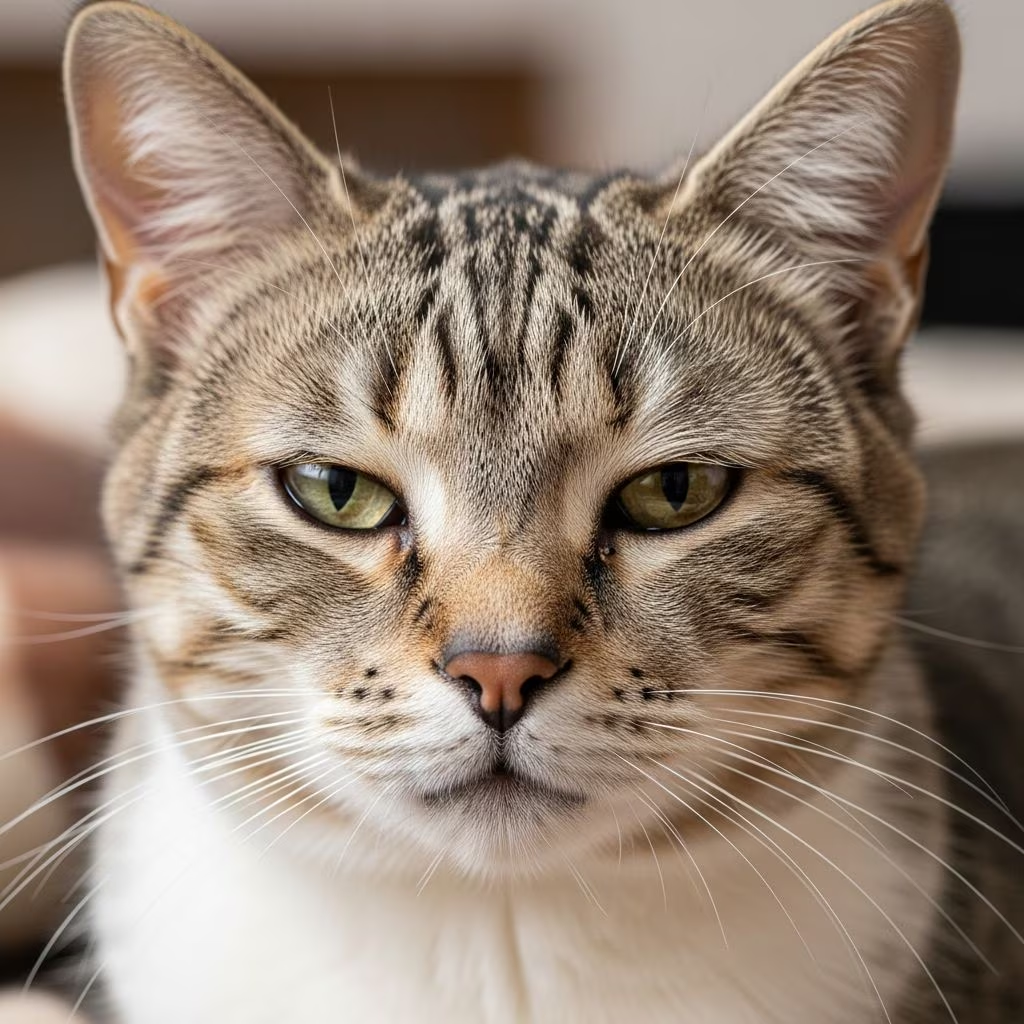
Understanding Upper Respiratory Infection in Cats
Upper respiratory infections (URIs) in cats, commonly referred to as “cat flu,” are among the most frequently encountered illnesses in veterinary medicine. These infections affect the upper airway, including the nose, throat, and sinuses, and can significantly impact your cat’s quality of life. Understanding what causes these infections, recognizing the symptoms, and knowing when to seek veterinary care are essential components of responsible pet ownership.
Feline upper respiratory infections affect approximately 90% of cases through viral pathogens, with the most common culprits being feline herpesvirus (FVR) and feline calicivirus (FCV). These highly contagious infections spread rapidly, especially in multi-cat households, shelters, and other environments where cats are in close proximity. While most cases are relatively mild and self-limiting, severe infections can develop into serious complications if left untreated.
Common Causes of Upper Respiratory Infections in Cats
Upper respiratory infections in cats are primarily caused by viral agents, though secondary bacterial infections can complicate the condition. The most common causative organisms include:
Feline Herpesvirus (FVR): This is one of the leading causes of upper respiratory infections in cats. Once infected, cats carry the virus for life, though it typically remains dormant. Stress, illness, or immunosuppression can trigger reactivation of the virus.
Feline Calicivirus (FCV): Another prevalent viral cause, calicivirus can cause varying degrees of severity, from mild respiratory signs to severe systemic disease with oral ulcers and limping.
Secondary Bacterial Infections: While viruses initiate most upper respiratory infections, secondary bacterial infections can develop, particularly in kittens or immunocompromised cats. Common bacterial pathogens include Bordetella and Chlamydophila.
Other contributing factors include environmental stress, poor nutrition, inadequate vaccination, and exposure to infected cats. Kittens and senior cats are particularly vulnerable due to their developing or compromised immune systems.
Recognizing the Symptoms of Upper Respiratory Infection
The symptoms of feline upper respiratory infections vary in severity but typically include respiratory and ocular manifestations. Pet parents should watch for the following signs:
Common Symptoms:
– Sneezing and nasal discharge- Eye drainage and conjunctivitis (redness or swelling of eye membranes)- Nasal congestion and crusting- Coughing- Decreased or absent appetite- Lethargy and reduced activity levels- Fever- Squinting or blepharospasm
More Severe Symptoms:
– Mouth ulcers- Difficulty breathing or open-mouth breathing- Eye ulcers that may cause lasting damage- Enlarged lymph nodes- Heavy or colored nasal discharge (yellow-green)- Severe depression or lethargy
The presentation of symptoms often depends on the causative agent and the individual cat’s immune response. Some cats may display mild symptoms that resolve quickly, while others develop more serious complications. It’s important to note that a decreased sense of smell is common in infected cats, which often leads to reduced appetite even if the cat’s mouth doesn’t hurt.
When to Seek Veterinary Care
While many upper respiratory infections resolve without specific treatment, certain situations warrant immediate veterinary attention. Contact your veterinarian right away if your cat experiences:
– Difficulty breathing or open-mouth breathing- Severe lethargy or depression- Complete loss of appetite for more than a day- High fever (over 104°F)- Green or yellow eye and nasal discharge suggesting bacterial infection- Signs of pneumonia (labored breathing, wheezing)- Eye ulceration or discharge that doesn’t improve within a few days
Early veterinary evaluation is particularly important for kittens, senior cats, and immunocompromised cats, as these populations are more susceptible to severe complications.
Treatment Options for Upper Respiratory Infections
Treatment of feline upper respiratory infections depends on the severity of the infection and whether viral, bacterial, or mixed infections are present. Most cats recover within one to two weeks with appropriate care.
Supportive Care
For mild viral infections, supportive care is often the primary treatment approach. This focuses on helping the cat remain comfortable while their immune system fights the infection. Supportive measures include:
– Ensuring adequate hydration by providing fresh water and encouraging water intake- Offering highly palatable, aromatic foods to stimulate appetite- Maintaining a comfortable, quiet environment for rest and recovery- Monitoring food and water intake closely
Most viral upper respiratory infections clear up on their own within 5-10 days, though some cats may experience symptoms for up to two weeks.
Medications and Prescriptions
Antibiotics: If a bacterial infection is suspected or confirmed, your veterinarian may prescribe antibiotics such as Clavamox or azithromycin. It’s crucial to complete the full course of antibiotics as prescribed, even if symptoms improve before the medication is finished. Some cats may experience gastrointestinal side effects; if this occurs, contact your veterinarian about alternative options.
Eye Medications: For cats with significant eye discharge or conjunctivitis, topical medications such as tobramycin drops or Terramycin ointment may be prescribed to prevent secondary infections and reduce inflammation.
Anti-inflammatory Medications: If your cat has fever or is experiencing pain, anti-inflammatory medications such as Onsior may be prescribed to provide comfort and reduce systemic inflammation.
Antiviral Medications: In some cases, particularly for severe feline herpesvirus infections, antiviral drugs such as famciclovir may be prescribed. These medications can help reduce viral replication and shorten the duration of symptoms.
Immune Support Supplements: Probiotics (such as Purina FortiFlora or Proviable) and amino acid supplements like L-Lysine products (Viralys or Vetri Lysine Plus) can support your cat’s immune system while fighting the infection.
Severe Cases and Hospitalization
Cats with severe upper respiratory infections may require hospitalization for intensive care. Hospitalization is recommended when cats are not eating or drinking, are severely depressed, or have respiratory compromise. Intensive treatments may include:
– Oxygen therapy to support breathing- Nebulization treatments to humidify airways and facilitate drainage- Injectable antibiotics for faster systemic delivery- Intravenous fluid therapy for hydration and nutritional support- Feeding tube placement for cats unable to eat on their own
It’s important to understand that herpesvirus infections are not cured but enter a state of remission. Most cats with uncomplicated upper respiratory infections respond well to treatment and recover uneventfully.
Home Care and Management
While your cat recovers from an upper respiratory infection, several home care strategies can significantly improve comfort and support healing:
Humidity and Steam Therapy
Increasing environmental humidity can help ease nasal congestion and promote drainage. Try these methods:
– Keep a humidifier running in the room where your cat spends time- Take your cat into the bathroom while you shower for 10-15 minutes several times daily to expose them to steam- Use saline nose drops (such as infant saline drops) to moisturize airways if your cat tolerates them
Nutritional Support
Maintaining adequate nutrition is vital for immune function during recovery:
– Offer warm, fragrant canned foods like Fancy Feast Gravy Lovers to appeal to their compromised sense of smell- Use food toppers such as Rachel Ray Nutrish Purrfect Broths to enhance palatability- Provide soft foods that are easy to eat without throat pain- Consider adding probiotic powder to food to support gut health and immune function- Add L-Lysine supplementation to help manage herpesvirus symptoms
Eye and Nasal Care
Gentle facial hygiene helps prevent secondary infections and reduces irritation:
– Use a warm, damp washcloth to gently wipe away eye and nasal discharge- Repeat several times daily or as needed to keep nasal passages and eyes clean- Be gentle to avoid causing discomfort or stress to your cat
Hydration Support
Adequate hydration is essential for recovery. If your cat is reluctant to drink, consider:
– Offering water additives designed to encourage water intake, such as Purina Hydra Care- Providing fresh water in multiple locations- Offering wet food, which contains additional moisture
Prevention Strategies
Preventing upper respiratory infections is far more effective than treating them. Implement these preventive measures:
Vaccination
The FVRCP vaccine is the cornerstone of upper respiratory infection prevention. This combination vaccine protects against feline viral rhinotracheitis (caused by herpesvirus), calicivirus, and panleukopenia. Ensure your cat receives:
– Initial kitten vaccination series- Regular booster vaccinations as recommended by your veterinarian- Updated vaccinations before boarding, travel, or multi-cat exposure
Minimize Exposure
Reduce your cat’s risk of infection by:
– Limiting exposure to other cats, particularly unknown or unvaccinated cats- Quarantining new cats before introducing them to existing pets- Isolating symptomatic cats to prevent transmission to other household pets- Practicing good hygiene when handling multiple cats (wash hands between interactions)
Environmental Management
Create a healthy living environment that supports immune function:
– Reduce stress through environmental enrichment and routine- Maintain proper nutrition with high-quality cat food- Keep litter boxes clean to prevent secondary infections- Ensure adequate ventilation in indoor spaces- Consider air purifiers to reduce airborne pathogens
Recovery and Prognosis
The recovery timeline for feline upper respiratory infections typically ranges from 5-10 days for mild cases to two weeks for more severe infections. The prognosis depends on several factors including the causative agent, severity of symptoms, and the cat’s overall health status.
During recovery, closely monitor your cat for improvement or deterioration. Watch for:
– Gradual improvement in appetite and energy levels- Reduction in sneezing, discharge, and congestion- Return to normal behavior and activity- Any signs of complications such as pneumonia or persistent high fever
Cats with uncomplicated upper respiratory disease, pneumonia, or oral ulcers may recover in days or weeks, while those with severe systemic disease have a less favorable prognosis.
Frequently Asked Questions
Q: How long does cat flu last?
A: Most cats recover from upper respiratory infections within 5-10 days with supportive care, though some may experience symptoms for up to two weeks. Herpesvirus infections typically resolve within approximately two weeks, though the virus remains latent in the body.
Q: Is cat flu contagious to humans?
A: No, feline upper respiratory infections are species-specific and cannot be transmitted to humans. However, they are highly contagious among cats, particularly in multi-cat households and shelters.
Q: Can upper respiratory infections in cats be prevented?
A: Yes, vaccination with the FVRCP vaccine is the most effective prevention method. Additionally, minimizing exposure to infected cats and maintaining good hygiene practices significantly reduces infection risk.
Q: Do all cats with upper respiratory infections need antibiotics?
A: No, not all cats need antibiotics. Antibiotics are prescribed only when bacterial infection is suspected or confirmed. Most viral infections resolve with supportive care alone.
Q: When should I take my cat to the vet for an upper respiratory infection?
A: Seek veterinary care immediately if your cat experiences difficulty breathing, severe lethargy, complete loss of appetite, high fever, or discharge indicating bacterial infection. Early evaluation is particularly important for kittens, senior cats, and immunocompromised cats.
Q: Can herpesvirus be cured in cats?
A: Herpesvirus cannot be cured but enters remission with proper treatment. The virus remains in the cat’s body and may reactivate during periods of stress or immune compromise.
References
- Upper Respiratory Infection in Cats: What Pet Parents Should Know — PetMD. 2024. https://www.petmd.com/cat/condition/respiratory/upper-respiratory-infection-in-cats
- Upper Respiratory Infection in Cats — PetMD. 2024. https://www.petmd.com/cat/conditions/respiratory/upper-respiratory-infection-cats
- Feline Upper Respiratory Infection (Cat Flu): What It Is, Signs and Symptoms, And How To Treat It — Trudell Animal Health. 2024. https://trudellanimalhealth.com/blogs/blog/feline-upper-respiratory-infection-cat-flu-what-it-is-signs-amp-symptoms-and-how-to-treat-it
- Feline Upper Respiratory Infection — VCA Animal Hospitals. 2024. https://vcahospitals.com/know-your-pet/feline-upper-respiratory-infection
- Respiratory Infections — Cornell University College of Veterinary Medicine. 2024. https://www.vet.cornell.edu/departments-centers-and-institutes/cornell-feline-health-center/health-information/feline-health-topics/respiratory-infections
- Three Must-Knows When Handling Feline Upper Respiratory Infection — Texas A&M Veterinary Medical Diagnostic Laboratory. 2024. https://tvmdl.tamu.edu/three-must-knows-when-handling-feline-upper-respiratory-infection/
- Cat Respiratory Infection: Urgent Signs, Causes, and Care Tips — Green Street Veterinary Services. 2024. https://gsvs.org/blog/cat-respiratory-infection-emergency/



