

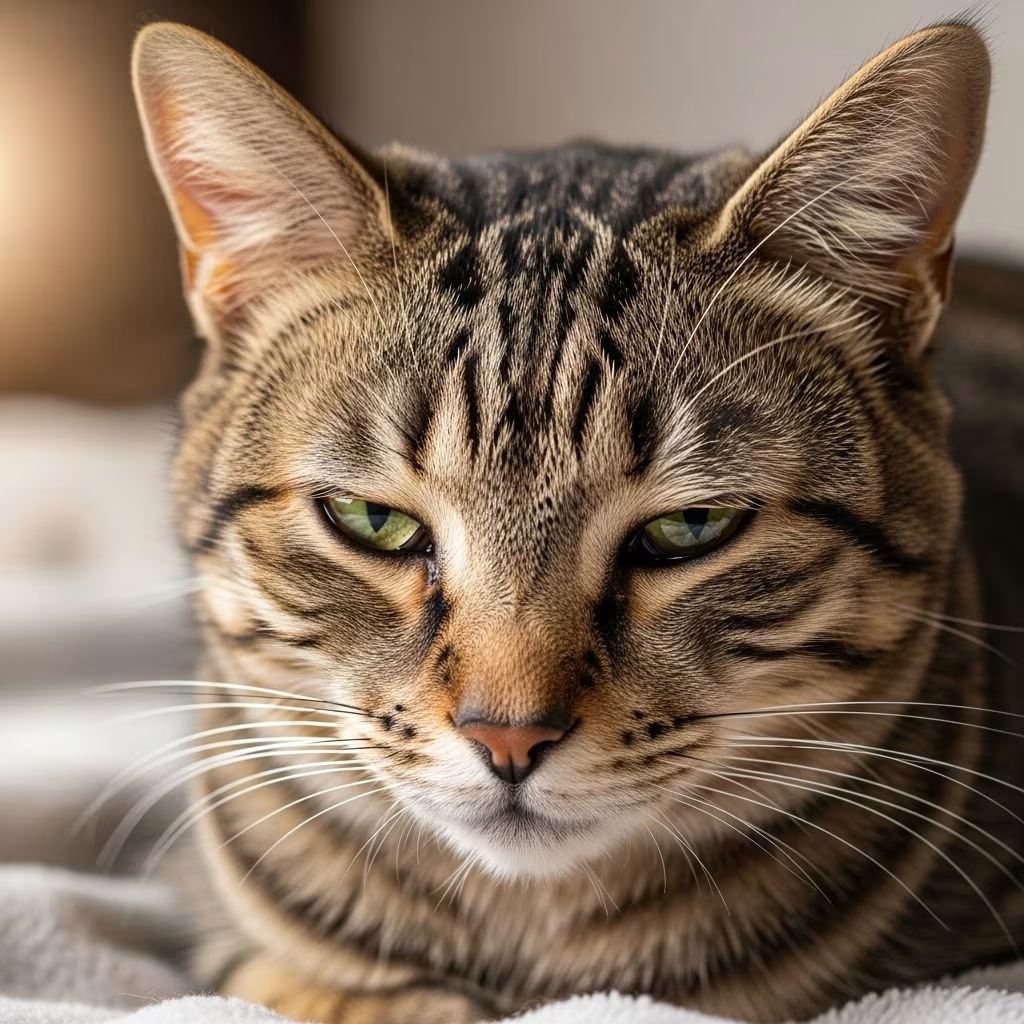
Upper respiratory infections (URIs) in cats, often called “cat flu,” are common viral or bacterial conditions affecting the nose, throat, and sinuses. These highly contagious illnesses mimic human colds but can be more severe in kittens, seniors, or immunocompromised cats, leading to complications like pneumonia if untreated.
What Is an Upper Respiratory Infection in Cats?
An upper respiratory infection in cats involves inflammation of the nasal passages, throat, and sinuses, typically caused by viruses such as feline herpesvirus type 1 (FHV-1) or feline calicivirus (FCV). These pathogens spread easily through direct contact, shared litter boxes, food bowls, or airborne droplets in multi-cat households, shelters, or catteries.
While most cases are self-limiting and resolve in 1-3 weeks with supportive care, secondary bacterial infections can prolong symptoms. Bacterial culprits like Bordetella bronchiseptica or Chlamydophila felis may require antibiotics. URIs are especially prevalent in unvaccinated or stressed cats.
Causes of Upper Respiratory Infections in Cats
- Viral Causes: FHV-1 (responsible for 80-90% of cases) causes lifelong latency, reactivating under stress; FCV leads to oral ulcers and joint pain in some strains.
- Bacterial Causes: Chlamydophila felis (conjunctivitis), B. bronchiseptica (kennel cough-like), or Mycoplasma spp.; often secondary to viral damage.
- Other Factors: Stress, poor ventilation, overcrowding, dental disease, nasal polyps, foreign bodies, or fungal infections in rare cases.
Cats carry these pathogens asymptomatically, shedding them intermittently, making prevention challenging in group settings.
Symptoms of Upper Respiratory Infection in Cats
Symptoms vary by severity but commonly include:
- Sneezing and nasal congestion/discharge (clear to pus-like).
- Eye issues: watery discharge, squinting, ulcers, or conjunctivitis.
- Mouth/throat: ulcers, drooling, foul breath (especially FCV).
- Systemic: lethargy, fever, loss of appetite, dehydration.
- Severe: coughing, difficulty breathing, open-mouth breathing.
Mild cases show intermittent sneezing; severe ones risk pneumonia or eye scarring. Kittens may develop fatal dehydration.
| Symptom | Mild URI | Severe URI |
|---|---|---|
| Nasal Discharge | Clear, occasional | Thick, green/pus-like |
| Appetite | Slightly reduced | Anorexia, weight loss |
| Breathing | Normal | Labored, noisy |
| Duration | 7-10 days | >2 weeks, complications |
When to See a Vet for Cat Upper Respiratory Infection
Seek immediate veterinary care if your cat shows: open-mouth breathing, blue gums, extreme lethargy, refusal to eat/drink >24 hours, green/bloody discharge, or symptoms lasting >10 days. Kittens, seniors, or chronic cases warrant prompt evaluation to prevent dehydration or pneumonia.
Vets diagnose via history, exam, PCR swabs for viruses/bacteria, or imaging for polyps/tumors.
Diagnosis of Upper Respiratory Infection in Cats
Diagnosis relies on clinical signs, as many cats are co-infected. Tools include:
- Viral PCR/PCR panels for FHV-1, FCV.
- Bacterial cultures/sensitivity testing.
- Fluorescein stain for corneal ulcers.
- Radiographs or rhinoscopy for obstructions.
ISCAID guidelines emphasize supportive care first, reserving antibiotics for persistent (>10 days) or systemic signs.
Treatment for Upper Respiratory Infection in Cats
Treatment focuses on symptom relief and secondary infection control, as viruses like FHV-1 aren’t curable but enter remission.
Supportive Care at Home
- Humidification: Steam from showers or humidifiers clears passages.
- Nutrition: Warm, pungent canned food (e.g., gravy varieties), broth toppers; appetite stimulants if needed.
- Cleaning: Warm cloth for eyes/nose; saline drops.
- Supplements: L-lysine (Viralys), probiotics (FortiFlora) for immunity.
Veterinary Treatments
- Antibiotics: Doxycycline (for B. bronchiseptica), Clavamox, azithromycin for bacteria; only if indicated.
- Eye Meds: Tobramycin drops, Terramycin ointment.
- Antivirals: Famciclovir for severe FHV-1 keratitis.
- Other: Pain relief (Onsior), mucolytics (bromhexine), nebulization, fluids/feeding tubes for hospitalized cats.
Most recover in 1-2 weeks; chronic cases may need ongoing management.
Recovery and Management
Monitor for relapse; FHV-1 carriers shed virus lifelong. Provide stress reduction, nutrition, and lysine. Full recovery expected in uncomplicated cases, but eye damage or chronic rhinitis possible.
Prevention of Upper Respiratory Infections in Cats
- Vaccination: Core FVRCP vaccine protects against FHV-1, FCV, panleukopenia; boosters every 1-3 years.
- Hygiene: Isolate sick/new cats, disinfect surfaces, limit stressors.
- Environment: Good ventilation, avoid overcrowding.
Shelters use PCR screening and isolation protocols.
FAQs
Is upper respiratory infection in cats contagious?
Yes, highly contagious via direct contact or fomites; isolate affected cats.
How long does cat URI last?
Typically 7-14 days with care; longer if complicated.
Can cats recover from URI without antibiotics?
Yes, most viral cases self-resolve; antibiotics for bacterial secondary infections only.
What home remedies help cat flu?
Steam, warm food, cleaning discharges, lysine supplements.
Does FVRCP vaccine prevent all URIs?
No, reduces severity but not 100% effective against all strains.
Prognosis for Cats with Upper Respiratory Infections
Excellent for mild cases (full recovery); guarded for severe pneumonia or chronic carriers. Early intervention key.
References
- Upper Respiratory Infection in Cats: What Pet Parents Should Know — PetMD. 2023. https://www.petmd.com/cat/condition/respiratory/upper-respiratory-infection-in-cats
- Feline Upper Respiratory Infections — Antimicrobial Resistance Learning Site, University of Minnesota. 2023. https://amrls.umn.edu/node/81
- Feline Upper Respiratory Infection (Cat Flu): What It Is, Signs & Symptoms and How to Treat It — Trudell Animal Health. 2023. https://trudellanimalhealth.com/blogs/blog/feline-upper-respiratory-infection-cat-flu-what-it-is-signs-amp-symptoms-and-how-to-treat-it
- Feline Upper Respiratory Infection — VCA Animal Hospitals. 2023. https://vcahospitals.com/know-your-pet/feline-upper-respiratory-infection
- Upper Respiratory Infection (URI) in Cats: Causes, Treatments — Best Friends Animal Society. 2023. https://bestfriends.org/pet-care-resources/upper-respiratory-infection-uri-cats-causes-treatments
- Respiratory Infections — Cornell University College of Veterinary Medicine. 2023. https://www.vet.cornell.edu/departments-centers-and-institutes/cornell-feline-health-center/health-information/feline-health-topics/respiratory-infections



