

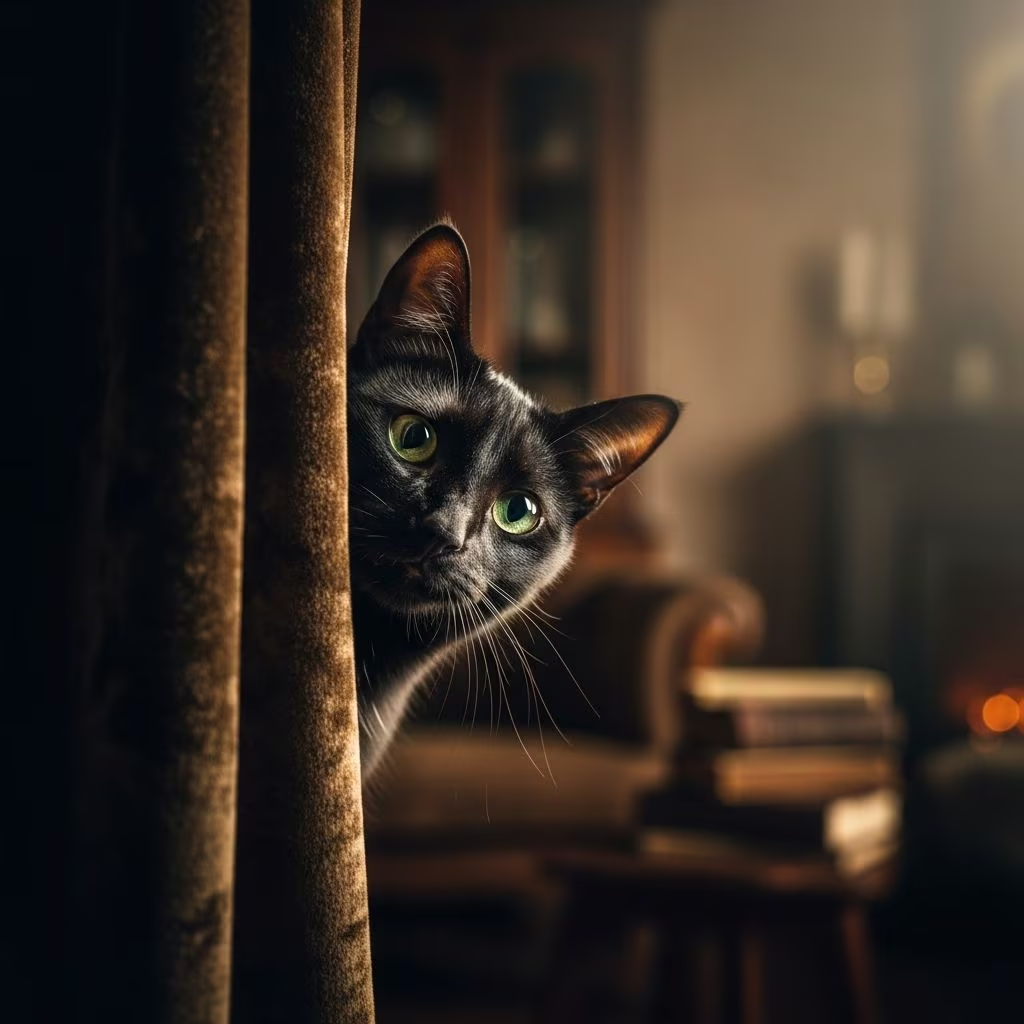
Domestic cats lead lives filled with subtle signals, instinctive drives, and interactions that often escape their owners’ notice. While they appear relaxed during the day, cats engage in a range of behaviors driven by their wild ancestry, including hunting simulations, territorial marking, and complex communication with humans. Understanding these patterns fosters deeper connections and addresses potential issues early.
The Instinctive Roots of Feline Actions
Cats descend from solitary hunters, shaping their modern behaviors around independence, territory control, and predatory skills. Even well-fed pets retain urges to stalk, pounce, and explore, often manifesting at night when humans sleep. This ‘secret life’ involves patrolling homes, investigating scents, and engaging in play that mimics survival tactics.
Exploratory pawing at objects triggers chase responses, as moving items simulate escaping prey, providing mental stimulation and satisfying innate drives. Body language like forward-pointed ears signals curiosity, while twitching tails indicate building excitement.
Deciphering Body Language Signals
Cats communicate volumes without words, using ears, tail, eyes, and posture. Forward ears denote interest; flattened ones warn of fear or aggression. A gently swaying tail shows relaxation, but a puffed, upright one signals threat.
- Eye patterns: Slow blinks convey trust and positive emotions, encouraging reciprocal gestures from owners.
- Ear positions: Swiveling ears track sounds; pinned-back ears prepare for defense.
- Tail cues: High tails greet familiars; rapid flicks build to irritation.
- Posture: Stretched-out bodies indicate safety; crouched forms suggest anxiety.
These signals help owners respond appropriately, strengthening bonds through attuned interactions.
Nocturnal Habits and Home Patrols
Many cats activate at night, zooming through homes or staring at windows, driven by crepuscular rhythms favoring dawn and dusk activity. This leads to ‘zoomies’—bursts of speed releasing pent-up energy—or window vigils watching wildlife, fulfilling hunting instincts.
Owners might wake to thumps or meows, as cats solicit play or attention during their peak hours. Adjusting routines, like evening play sessions, aligns human schedules with feline energy peaks, reducing disruptions.
Social Dynamics with Humans
Cats form selective attachments, preferring head scratches and modulating postures for access to favored spots. Well-socialized kittens build lasting trust, requiring few positive encounters to bond deeply. Interactions follow patterns where cats or owners initiate contact, with acceptance rates varying by familiarity.
Studies show cats distinguish owner emotions via cues, responding more to familiar voices and postures. Depressed owners receive increased rubbing and vocalizations from cats, alleviating negative moods comparably to human support.
| Interaction Initiator | Common Response | Outcome |
|---|---|---|
| Cat approaches owner | Owner pets or talks | Extended bonding time |
| Owner reaches out | Cat accepts or evades | Depends on mood/energy |
| Mutual play | Chase or toy engagement | Energy release, trust build |
Signs of Confidence vs. Uncertainty
Confident cats proactively claim space, approaching with high tails and head butts, embodying territorial security. They weave legs and offer ‘sweet eyes,’ signaling ownership comfort. Reactive cats, however, hide or tense, reacting to stimuli without initiative.
Personality traits cluster into factors like neuroticism, extroversion, and agreeableness, influencing social styles. Proactive felines pursue goals like hunting simulations; uncertain ones freeze or withdraw.
Warning Signs of Distress
Excessive grooming, hiding, or appetite shifts indicate stress or pain. Tense postures, indoor spraying, or aggression emerge from fear. Hissing, swatting, or yowling communicates discomfort—prolonged meows signal distress like entrapment.
- Grooming spikes: Anxiety coping mechanism.
- Hiding increases: Threat avoidance.
- Litter changes: Health or stress issues.
- Avoidance: Overstimulation or pain.
Persistent changes warrant veterinary checks to rule out medical causes before behavioral fixes.
Enhancing Your Cat’s Daily Life
Enrich environments with scratching posts, puzzle feeders, and high perches to channel instincts. Clicker training builds bonds via positive reinforcement, teaching tricks while providing mental jobs. Consistent routines foster security, reducing reactive behaviors.
Socialization during kittenhood sets foundations; adults benefit from gradual exposure and rewards. Observe t-patterns—repeated behavior sequences—to tailor interactions, matching energy and preferences.
Health Influences on Behavior
Pain alters demeanor: Arthritic cats limit jumps; dental issues reduce eating. Thyroid problems spur hyperactivity; observe for patterns like chattering at prey or altered sleep. Regular vet visits catch issues early, as behavior shifts often precede physical symptoms.
Building Deeper Connections
Mimic slow blinks to invite trust; respect distancing needs. Play to exhaustion curbs night antics; varied toys sustain interest. Track personalities—extroverted cats crave play, neurotics prefer quiet pets—customizing care maximizes harmony.
Cats regulate interactions via rubbing, grooming shares, or swats, mirroring wild distancing. Positive, predictable engagements like feeding or talking enhance wellbeing, aligning human perceptions with feline preferences.
Frequently Asked Questions
Why does my cat stare out the window at night?
This hunting vigilance activates instincts, tracking insects or animals, providing stimulation.
What does tail flicking mean?
Overstimulation or irritation buildup; pause interactions to avoid swats.
How can I stop nighttime zoomies?
Evening play and feeding tire them; puzzle toys extend engagement.
Is excessive meowing a problem?
It signals hunger, attention needs, or distress; check health and routine.
Do cats recognize owner emotions?
Yes, via cues; they respond supportively, especially to familiars.
References
- Cat behavior — Wikipedia. 2023-10-15. https://en.wikipedia.org/wiki/Cat_behavior
- The Mechanics of Social Interactions Between Cats and Their Owners — PMC (National Library of Medicine). 2021-04-07. https://pmc.ncbi.nlm.nih.gov/articles/PMC8044293/
- Social Behavior of Cats — MSD Veterinary Manual. 2024-01-01. https://www.msdvetmanual.com/behavior/behavior-of-cats/social-behavior-of-cats
- Decoding Common Cat Behavior — MedVet. 2023-05-12. https://www.medvet.com/cat-behaviors/
- Understanding Cat Behavior — PAWS Chicago. 2022-11-20. https://www.pawschicago.org/news-resources/all-about-cats/understanding-cat-behavior



