

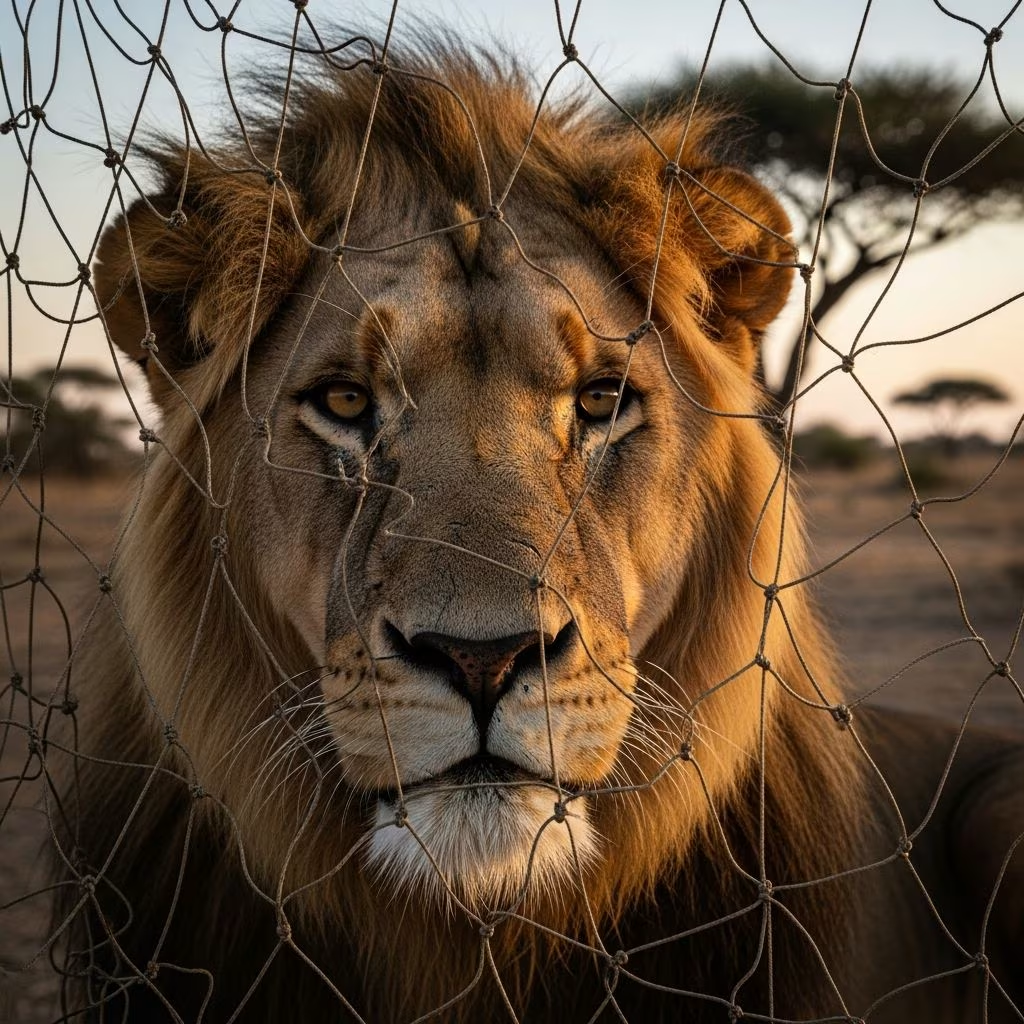
Trophy hunting involves the selective pursuit and harvest of mature wild animals prized for distinctive physical traits like large antlers, horns, or impressive size, with parts kept as mementos of the hunt. When conducted under strict regulations, it serves as a tool for wildlife management, generating revenue for habitat protection and population control.
Defining the Practice
At its essence, trophy hunting targets animals that have reached full maturity, often older males that have already contributed to reproduction. This differs from subsistence hunting focused on food provision, emphasizing instead the animal’s exceptional features developed over years. Hunters typically engage professional guides and adhere to quotas set by wildlife authorities to ensure sustainability.
In regions like North America, this method has roots in early 20th-century conservation models promoted by groups such as the Boone and Crockett Club, which advocated selective harvesting to bolster species recovery. Globally, it occurs in controlled environments, from African savannas to U.S. ranches hosting non-native species, where fees partially fund in-range conservation.
Conservation Funding Mechanisms
Revenue from trophy hunting licenses and permits directly bolsters wildlife protection efforts. In Africa, these funds maintain vast protected areas unsuitable for other tourism, financing anti-poaching patrols and habitat restoration. A study highlighted that such incentives more than double wildlife-conserved land compared to national parks alone.
- Permit fees support ranger salaries and equipment for poaching prevention.
- Income aids research on population dynamics and disease monitoring.
- Portions of U.S. exotic game hunt fees—often exceeding $4,000—must allocate 10% to native habitat conservation.
The World Wildlife Fund acknowledges potential benefits if hunts meet strict standards, ensuring community gains and adherence to ethical guidelines.
Maintaining Ecological Equilibrium
Selective removal of mature, non-breeding individuals prevents overpopulation, which can strain resources, spread diseases, and degrade habitats. Without natural predators in some areas, regulated culls maintain healthy herd structures, allowing younger animals better access to forage.
Wildlife biologists use scientific data to establish quotas, targeting animals past prime reproductive years. This promotes genetic diversity by reducing competition and supports overall ecosystem health. For instance, in North American contexts, it shapes age and sex structures favorably for long-term species vitality.
| Ecological Benefit | Mechanism | Example Impact |
|---|---|---|
| Population Control | Harvesting surplus mature males | Prevents starvation and habitat overuse |
| Disease Reduction | Removing older, vulnerable animals | Lowers transmission in herds |
| Genetic Health | Preserving breeding-age individuals | Enhances diversity and resilience |
Economic Contributions to Communities
Beyond ecology, trophy hunting stimulates rural economies, creating jobs in guiding, lodging, and transport. In Africa, it provides alternatives to agriculture or poaching, funding schools, clinics, and infrastructure.
Local communities gain incentives to safeguard wildlife, viewing animals as economic assets rather than pests. This shifts perspectives, reducing human-animal conflicts through structured management. Boone and Crockett emphasize its role in sustaining wild spaces via hunter-supported initiatives.
Navigating Ethical and Regulatory Challenges
Poorly managed trophy hunting risks population declines, social disruptions, and genetic issues from excessive harvests or unethical practices like vehicle shooting. The International Union for Conservation of Nature notes concerns over legality, sustainability, and ethics, advocating well-regulated systems with community benefits.
Distinctions matter: legal trophy hunts differ from poaching or ‘canned’ hunts in enclosures. Regulations enforce fair chase, scientific quotas, and transparency to mitigate negatives. Critics highlight social disruptions, but proponents argue benefits outweigh risks when oversight is robust.
Global Perspectives and Case Studies
In Africa, trophy hunting sustains populations across expansive, low-tourism lands, countering threats like habitat loss far more pressing than hunts themselves. North American models demonstrate success, with trophy selection aiding conservation since the early 1900s.
U.S. ranches for exotic species operate under Endangered Species Act exemptions for non-indigenous animals, channeling funds abroad. These cases illustrate context-specific efficacy, where alternatives like ecotourism may not suffice.
Debates and Future Directions
Opponents question ethics, arguing no hunt for trophies justifies killing. Supporters counter with utilitarian views: it funds protections preventing greater losses. Balanced approaches involve stakeholder consultation for sustainable models.
Enhancing transparency, equitable benefit-sharing, and rigorous monitoring could address criticisms, ensuring trophy hunting remains a viable conservation ally.
Frequently Asked Questions
What distinguishes trophy hunting from poaching?
Trophy hunting is regulated with permits and quotas; poaching is illegal and unregulated.
Does trophy hunting help endangered species?
Indirectly, via habitat funding, though direct harvests target abundant, mature individuals.
Is trophy hunting sustainable?
When science-based and managed, yes; poor practices lead to issues.
How much revenue does it generate for conservation?
Significant portions of fees support anti-poaching and land protection, doubling conserved areas in some regions.
Are there alternatives to trophy hunting?
Ecotourism works in high-appeal areas, but hunting sustains remote habitats.
References
- What Is Trophy Hunting? — Broadmouth Canyon Ranch. 2023. https://www.utahelkhunt.com/blog/what-is-trophy-hunting
- Trophy Hunting 101 — The Hunting Company. 2023. https://thehuntingcompany.com/trophyhunting-101/
- Trophy hunting — Wikipedia (citing Biological Conservation and IUCN). 2024-01-15. https://en.wikipedia.org/wiki/Trophy_hunting
- What is Trophy Hunting? — Earth.Org (citing WWF). 2023. https://earth.org/what-is-trophy-hunting/
- Trophy Hunting – A Complex Picture — Conservation Frontlines. 2020-10-01. https://conservationfrontlines.org/2020/10/trophy-hunting-a-complex-picture/
- International Trophy Hunting — Congressional Research Service. 2019. https://www.congress.gov/crs-product/R45615
- B&C Position Statement – Big Game Trophies and Trophy Hunting — Boone and Crockett Club. 2023. https://www.boone-crockett.org/bc-position-statement-big-game-trophies-and-trophy-hunting



