

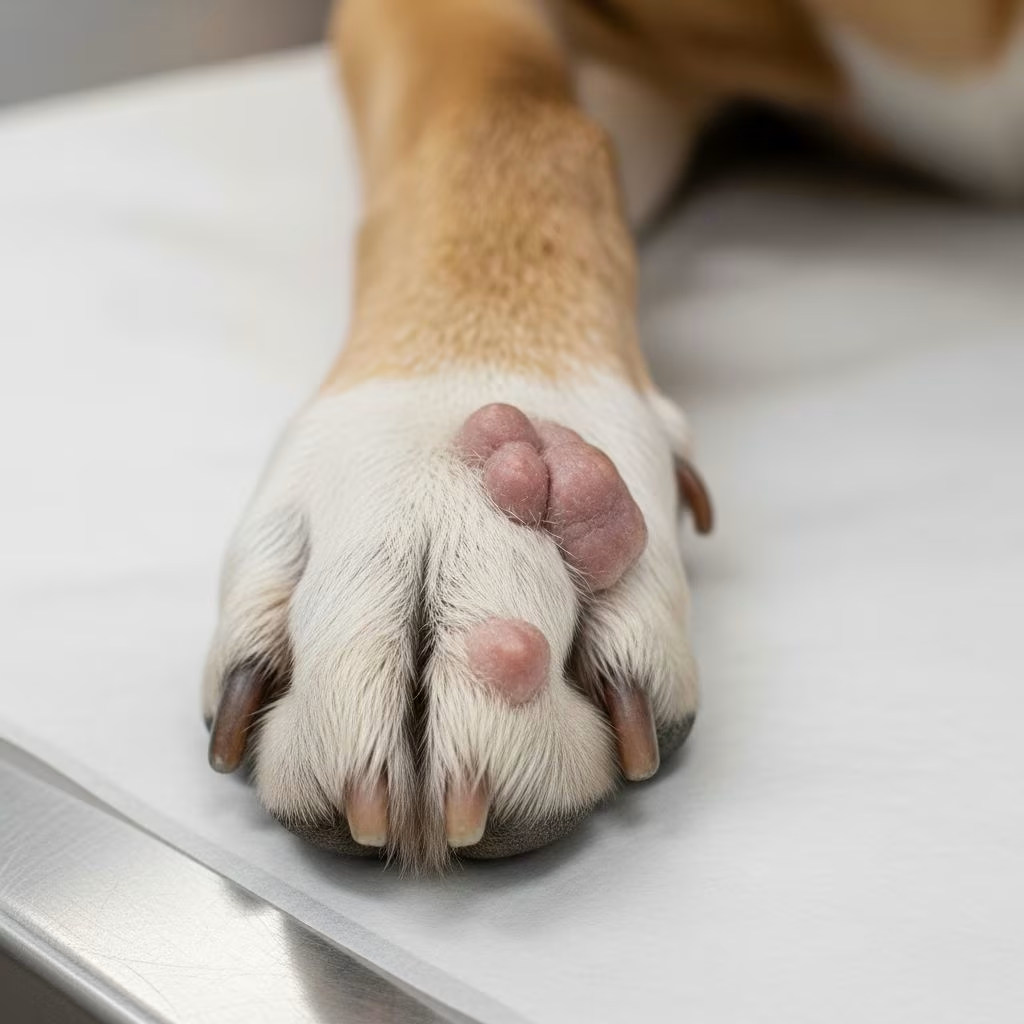
Dogs rely on their paw pads for traction, protection, and daily mobility, so any unusual lump or growth can signal underlying health concerns. These abnormalities range from benign keratin overgrowths to infectious processes that demand prompt attention. Recognizing early signs allows owners to seek timely veterinary care, preventing discomfort and complications.
Understanding Paw Pad Anatomy and Common Abnormalities
Paw pads consist of tough, thickened skin layers designed to cushion impacts and shield against environmental hazards. Beneath this protective barrier lie sweat glands, blood vessels, and connective tissues. When growths appear, they often disrupt this balance, leading to pain, altered gait, or secondary infections. Common issues include excessive tissue buildup, inflammatory swellings, and microbial invasions that manifest as raised areas on the pads.
Owners frequently notice these changes during routine grooming or when dogs excessively lick their feet. Factors like breed predisposition—such as greyhounds for certain keratin growths—play a role, alongside environmental exposures and immune status.
Key Types of Growths and Their Characteristics
Several distinct conditions can produce visible or palpable lumps on paw pads. Each has unique features, aiding in preliminary identification before professional evaluation.
- Hyperkeratosis: Excess keratin production creates thickened, cracked pads that may resemble hairy or feathered projections. This can stem from genetics, aging, viral history like distemper, or autoimmune issues.
- Yeast or Fungal Infections: Overgrowth leads to inflamed, discolored pads with a distinctive musty odor, often between toes. Moisture and allergies exacerbate this.
- Pododermatitis: Chronic inflammation causes swelling, crusting, and false pad formations. Allergies, obesity, and conformational issues contribute.
- Keratomas or Corns: Hardened keratin nodules from repeated pressure, common in performance breeds, causing pain upon contact.
- Bacterial Infections: Pus-filled swellings or ulcers from wounds or immune compromise, spreading via contact.
Symptoms That Signal a Problem
Early detection hinges on observing behavioral and physical changes. Dogs may limp, avoid weight-bearing, or obsessively chew paws, indicating irritation. Visual cues include:
| Symptom | Associated Conditions | Severity Indicator |
|---|---|---|
| Redness and swelling | Pododermatitis, infections | Moderate to high |
| Thickened, scaly texture | Hyperkeratosis, keratomas | Low to moderate |
| Musty “corn chip” smell | Yeast overgrowth | High |
| Brown staining or hair loss | Chronic licking, allergies | Moderate |
| Cracks, ulcers, or drainage | Advanced infections | High – seek immediate care |
| Lameness or reluctance to walk | Any painful growth | High |
These signs often overlap, underscoring the need for veterinary confirmation rather than self-diagnosis.
Root Causes Behind Paw Pad Growths
Growths rarely occur in isolation; underlying triggers perpetuate them. Allergies to pollen, food proteins, or fleas inflame skin, fostering microbial proliferation. Excessive moisture from swimming, rainy walks, or licking traps debris, ideal for fungi.
Immune challenges, including distemper aftermath or medications, impair defenses. Mechanical stress from obesity, poor conformation, or high-impact activities builds corns. Hormonal imbalances or nutritional deficiencies may also contribute, though less commonly documented.
When to Schedule a Vet Visit
Not all lumps require emergency care, but persistent symptoms warrant professional assessment. Contact a vet if growths enlarge, cause limping, or resist home care after 48 hours. Breeds prone to paw issues, like those with short faces or heavy builds, benefit from routine checks.
Delays can lead to perpetuating factors like scarring or chronic pain, complicating recovery.
Diagnostic Approaches for Accurate Identification
Vets employ systematic methods to pinpoint causes:
- History Review: Discuss onset, breed, diet, and exposures.
- Physical Examination: Palpate pads, check interdigital spaces for hidden issues.
- Cytology or Scrapings: Microscopic analysis detects yeast, bacteria, or abnormal cells.
- Biopsy: For suspicious growths, tissue sampling rules out neoplasia.
- Allergy Testing: Blood or intradermal tests for environmental triggers.
- Imaging: X-rays assess bone involvement in chronic cases.
This multi-step process ensures targeted therapy, minimizing trial-and-error.
Treatment Strategies Tailored to the Cause
Management varies by diagnosis but emphasizes relief, resolution, and prevention.
For Hyperkeratosis
Soften pads with emollients containing vitamins A, E, and F. Trimming excess keratin prevents cracks; address root causes like distemper sequelae.
For Infections
Topical antifungals or antibiotics combat yeast and bacteria. Medicated soaks and powders dry the area. Oral meds tackle systemic cases.
For Pododermatitis and Corns
Anti-inflammatories reduce swelling. Weight management and hypoallergenic diets curb flares. Laser therapy or surgery removes stubborn corns.
Monitor progress weekly; incomplete response signals deeper issues.
Home Care Tips to Support Recovery
Complement vet care with gentle routines:
- Clean paws daily with mild antiseptic wipes.
- Apply vet-approved balms to hydrate pads.
- Use booties for rough terrain or post-treatment protection.
- Prevent licking via cones or bitter sprays.
- Maintain a balanced diet rich in omega-3s for skin health.
Avoid human products, as they may irritate further.
Preventive Measures for Healthy Paws
Proactive steps reduce recurrence risks:
- Regular paw inspections post-walks.
- Thorough drying after water exposure.
- Flea prevention and hypoallergenic bedding.
- Weight control and joint supplements for at-risk breeds.
- Annual vet wellness exams.
These habits promote resilience against common paw threats.
FAQs About Dog Paw Pad Growths
Q: Can paw pad growths be cancerous?
A: Rarely, but persistent, rapidly growing lumps merit biopsy to exclude tumors. Most are benign.
Q: How long do treatments take?
A: Mild cases resolve in 1-2 weeks; chronic ones may need months with ongoing management.
Q: Is hyperkeratosis painful?
A: Initially not, but cracks invite infection, causing discomfort.
Q: Do all dogs get paw issues?
A: No, but allergies affect 10-15% of dogs, predisposing paws.
Q: Can I trim growths at home?
A: Only softened keratin under vet guidance; improper trimming worsens injury.
Long-Term Outlook and Monitoring
With prompt intervention, most dogs regain full paw function. Recheck-ups track healing and adjust plans. Owners play a vital role in vigilance, ensuring lumps don’t compromise quality of life. Consult specialists for refractory cases, like dermatologists.
References
- Dog Paw Pad Yeast Infection: Signs and Treatment — Dundee Veterinary Clinic. 2023. https://dundeevetclinic.com/blog/dog-paw-pad-yeast-infection/
- The Problem with Pads — Joii Pet Care. 2024. https://www.joiipetcare.com/blogs/advice/the-problem-with-pads
- Dog Paw Pad Hyperkeratosis | Causes, Risks, and Care Tips — Maricamp Animal Hospital (YouTube). 2025-08-27. https://www.youtube.com/watch?v=ILmJwlZpdhc
- Why Is My Dog’s Paw Pad Swollen? — Aboite Animal Clinic. 2024. https://www.aboitevet.com/blog/1098668-why-is-my-dogs-paw-pad-swollen
- Pododermatitis in Dogs — American Kennel Club. 2025. https://www.akc.org/expert-advice/health/pododermatitis-in-dogs/
- Understanding Hyperkeratosis in Dogs — Revival Animal Health. 2024. https://www.revivalanimal.com/learning-center/understanding-hyperkeratosis-in-dogs-causes-symptoms-and-treatment-options



