

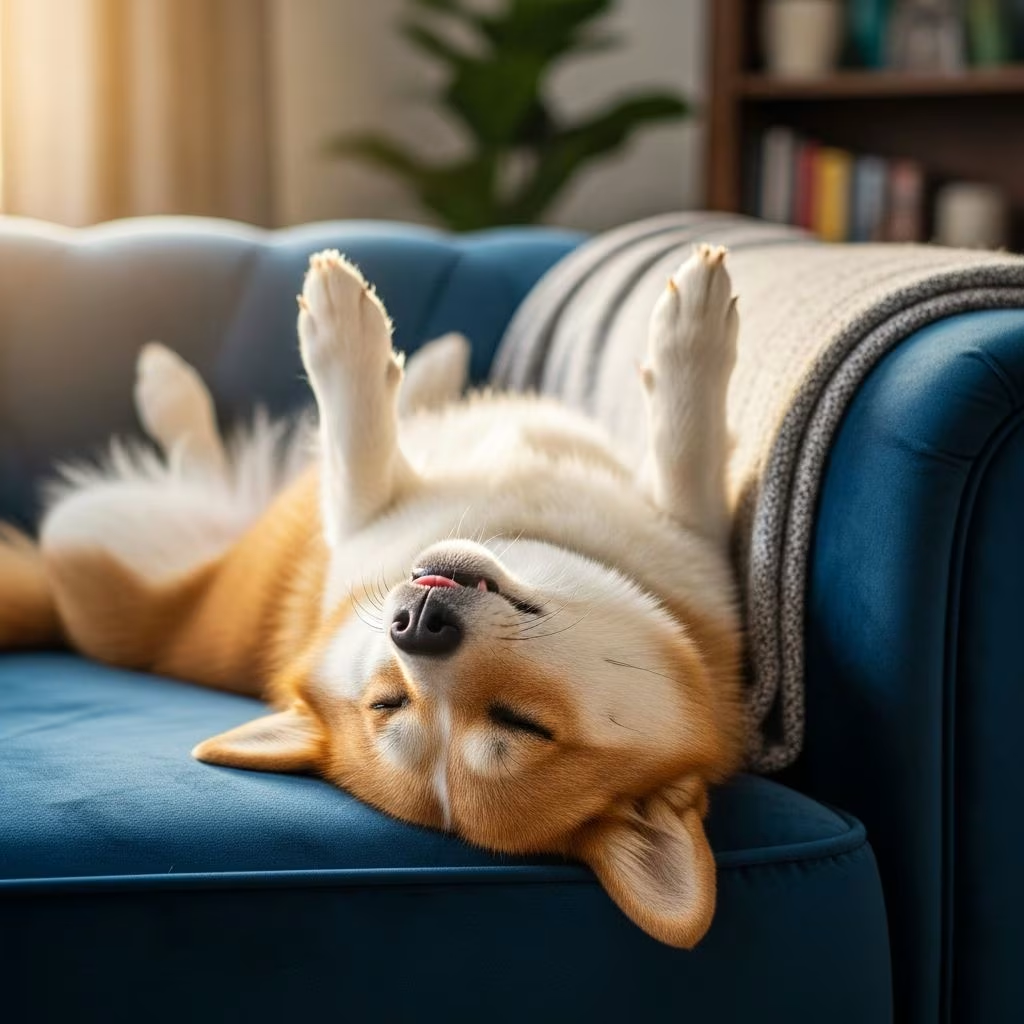
Dogs exhibit a wide array of sleeping behaviors that can seem peculiar to owners, from sprawling out in vulnerable positions to sudden leg twitches during the night. These habits often reflect their comfort, security, and health status. On average, adult dogs sleep 12-14 hours daily, with puppies requiring up to 18-19 hours and seniors potentially more due to recovery needs. Understanding these patterns helps owners distinguish normal quirks from potential issues.
The Science Behind Canine Sleep Cycles
Dogs follow a diurnal rhythm, active during daylight and resting primarily at night, though their sleep is fragmented into multiple short cycles unlike humans’ longer ones. Each cycle lasts about 45 minutes, cycling through non-REM (light to deep sleep) and REM phases twice per cycle. They experience 20 or more cycles daily, spending only 10% in REM where dreaming occurs, leading to visible twitches or vocalizations.
Factors like age, activity, emotions, and environment influence sleep. Puppies at 16 weeks sleep longer daytime hours (median 3.5 hours) than 12-month-olds (median 3 hours), with nighttime sleep around 7 hours in both. Negative experiences shorten sleep latency and alter stages, while personality and routine variations play roles.
Common Sleeping Positions and Their Meanings
Dogs adopt positions signaling relaxation, alertness, or temperature regulation. Here’s a breakdown:
- Side Sleeper: Stretched on side with limbs extended, exposing the belly—a sign of deep trust and comfort. Owners report 84.2% of dogs prefer this. Twitches may occur during REM.
- Curled Ball (Donut): Tucked into a tight circle, conserving warmth and feeling secure. Common at 63.6%. Ideal for cooler environments or anxious pups.
- Superman or Froggy: Belly down, legs splayed like flying—indicates playfulness and quick readiness to wake. Smaller breeds favor it for cooling.
- On Back (Belly-Up): Fully exposed, paws in air—ultimate relaxation, but vulnerability suggests strong safety feelings. Seen in 40.2%.
- Lion or Sphinx: Belly down, head on paws—alert rest, perfect for guarding families.
- Tucked Chest (Meatloaf): Legs under body—mild alertness, not fully relaxed, easy to rouse.
| Position | Meaning | Prevalence |
|---|---|---|
| Side Sleeper | Deep relaxation, trust | 84.2% |
| Curled Up | Warmth, security | 63.6% |
| On Back | Complete comfort | 40.2% |
| Superman | Playful, cooling | Common in small breeds |
Strange Behaviors During Sleep
Beyond positions, dogs display odd actions rooted in biology. Small leg twitches top observations at 73%, likely REM dreaming of chases. Other reports include peaceful snoring (quiet), noises like whimpers or barks (15 cases), facial twitches, and rare tail wags. Head dangling off edges or stomach sleeping with stretched paws appear in free-text notes.
These stem from irregular patterns: dogs doze from boredom, entering slow-wave sleep quickly before REM, causing abrupt movements. Puppies show more due to growth needs; adults compensate fragmented rest with total hours.
How Age Affects Sleep Patterns
Sleep evolves with life stages. Puppies nap excessively for development, averaging more daytime rest that decreases by one year. Young adults log 8-14 hours, giants more than small breeds. Seniors may reverse patterns, sleeping days and activating nights due to confusion.
- Puppies: 18-19 hours, frequent short bursts.
- Adults: 12-14 hours (50% asleep, 30% relaxed awake, 20% active).
- Seniors: Increased total sleep, potential hypersomnia.
Where Dogs Choose to Sleep
Location choices reveal instincts. Against walls or corners offers control, monitoring surroundings. Close to owners with backs turned signals trust and warmth-seeking. Exposed spots like belly-up near family show security. Provide versatile bedding to match preferences, supporting joints and temperature.
Spotting Abnormal Sleep Signs
While quirks are normal, deviations warrant attention. Watch for:
- Hypersomnia: Excessive sleep beyond age norms, possibly illness.
- Insomnia/Restlessness: Pacing, difficulty settling.
- Interrupted Breathing: Snorts, pauses—could indicate issues.
- Reversed Days/Nights: Common in olds, but check health.
- Excessive Movements: Beyond twitches, signaling discomfort.
Track via apps or collars for patterns; consult vets if persistent.
Optimizing Your Dog’s Sleep Environment
Enhance rest with quiet, cool, dark spaces. Match bed to position: orthopedic for side sleepers, bolsters for curlers. Consistent routines reduce anxiety, promoting better cycles. Exercise daytime boosts deeper night sleep.
Frequently Asked Questions (FAQs)
Why does my dog twitch in sleep?
Twitching, especially legs, occurs in REM dreaming; 73% of owners note it as normal.
Is it bad if my dog sleeps on their back?
No, it shows trust and cooling; ensure no overheating.
How much should my puppy sleep?
18-19 hours daily in bursts for growth.
What if my dog suddenly sleeps more?
Monitor for hypersomnia; vet check if routine changes.
Do all dogs snore?
No, but quiet snoring is common; labored breathing isn’t.
References
- Sleep Duration and Behaviours: Dogs up to 12 Months of Age — PMC/NCBI. 2020-07-23. https://pmc.ncbi.nlm.nih.gov/articles/PMC7401528/
- Understanding Your Dog’s Sleep Patterns — Greenlin Pet Resorts. 2023-05-15. https://www.greenlinpetresorts.com/blog/understanding-your-dogs-sleep-patterns/
- 6 Dog Sleeping Positions and What They Mean — PetMD. 2024-02-10. https://www.petmd.com/dog/general-health/dog-sleeping-positions-and-what-they-mean
- Why Do Dogs Sleep So Much? — American Kennel Club (AKC). 2023-11-05. https://www.akc.org/expert-advice/health/why-do-dogs-sleep-so-much/
- Dog Sleep Habits And Positions: Everything Pet Owners… — Newton Baby. 2024-01-20. https://www.newtonbaby.com/blogs/hush/dog-sleep



