
Unusual Animal Cancers: Key Insights From Wildlife And Research
Discover bizarre cancers that challenge our understanding, from contagious tumors in dogs and devils to species with remarkable resistance.
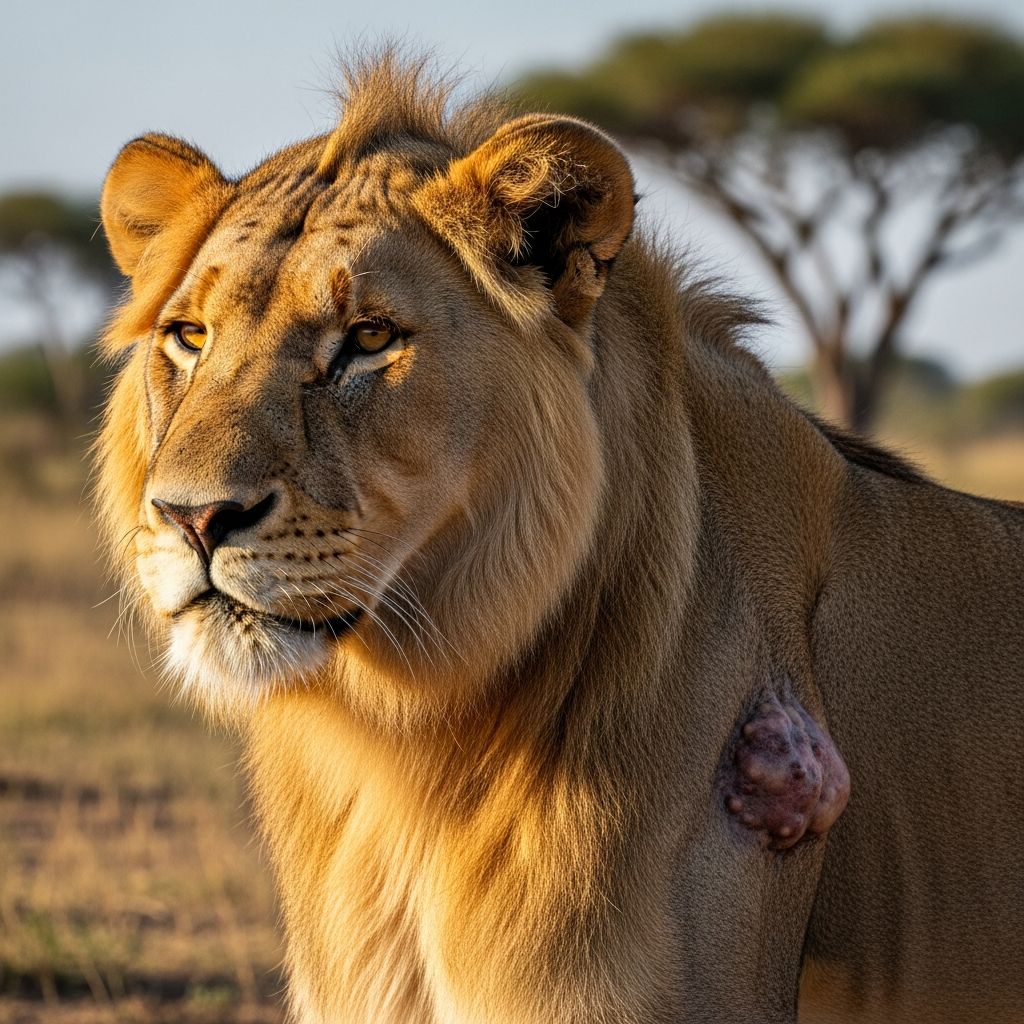
Animals across the globe face a spectrum of cancers that mirror, yet often exceed, the complexity of human diseases. From tumors that spread like infections to species defying cancer’s grip, these cases offer profound lessons for oncology. This article delves into remarkable examples, highlighting transmissible cancers, prevalent malignancies in wildlife and captives, and protective mechanisms in long-lived species.
Contagious Tumors: When Cancer Spreads Like a Virus
Unlike typical cancers confined to one body, certain animal tumors transmit between individuals, acting as parasitic entities. These rare phenomena challenge conventional oncology by evolving independently of their hosts.
The canine transmissible venereal tumor (CTVT) stands as a prime example, originating from a single ancient dog roughly 11,000 years ago. This tumor spreads primarily through mating among stray dogs worldwide, evading immune detection via altered chromosomes and reduced genetic material compared to normal canine cells. Despite its grotesque appearance, CTVT responds well to chemotherapy, as seen in treated cases like stray dogs receiving aid.
In Tasmanian devils, devil facial tumor disease (DFTD) emerged in the 1990s, spreading through bites during aggressive mating fights. This transmissible cancer has decimated populations, wiping out up to 90% in some areas due to its fatal growth on the face and neck. Genetic anomalies allow the tumor cells to dodge the devils’ immune systems, prompting immunotherapy trials that show promise.
- CTVT: Sexually transmitted, ancient lineage, chemotherapy-curable.
- DFTD: Bite-transmitted, population-threatening, focus of vaccine research.
Bivalve mollusks host multiple lineages of transmissible neoplasias (BTN), affecting species like clams (Mya arenaria), mussels (Mytilus trossulus), and cockles (Cerastoderma edule). These likely arise from mutated hemocytes in their circulatory systems, spreading via filtered seawater.
Cancers Across Reptile and Amphibian Species
Reptiles and amphibians exhibit a diverse array of spontaneous cancers, often documented in captive populations. These provide insights into environmental and genetic factors influencing tumor development.
| Species | Common Cancers | Notes |
|---|---|---|
| Southern copperhead (Agkistrodon contortrix) | Myeloid leukemia, cholangiocarcinoma, hemangiosarcoma | Reported in captive snakes |
| Timber rattlesnake (Crotalus horridus) | Adenoma, adenocarcinoma, fibrosarcoma, leukemia, mesothelioma | Multiple tumor types observed |
| Green anaconda (Eunectes murinus) | Lymphoma, fibrosarcoma, granulosa cell tumor | Varied internal malignancies |
| Redfoot tortoise (Geochelone carbonaria) | Adenoma | Common in chelonians |
| Green tree frog (Litoria caerulea) | Renal adenocarcinoma, hepatoma, metastatic pancreatic adenocarcinoma | Amphibian renal and skin tumors |
Snakes like the prairie rattlesnake (Crotalus viridis subspecies) show fibrosarcomas and hemangiomas, while tortoises develop squamous cell carcinomas. Amphibians, such as giant tree frogs (Litoria infrafrenata), suffer lymphomas and sebaceous gland carcinomas. These cases underscore how captivity may influence cancer prevalence, possibly due to diet, stress, or limited genetics.
Avian Oncology: Tumors in Birds of All Feathers
Birds display unique cancer profiles, with fibrosarcomas and lymphomas prevalent across orders. Captive and wild populations reveal patterns tied to age and environment.
- Lovebirds (Agapornis lilianae): Fibromas, fibrosarcomas, Sertoli cell tumors.
- Cockatoos (Callocephalon fimbriatum): Visceral fibromas, osteosarcomas, plasma cell tumors.
- Geese (Anser species): Chondromas and fibrosarcomas.
- Parrots (Aprosmictus scapularis): Fibrosarcomas.
In little corellas (Cacatua sanguinea), intraabdominal lipomas and lymphoblastic lymphomas occur, highlighting connective tissue and lymphoid vulnerabilities in psittacines. These tumors often affect older birds, paralleling mammalian aging-related cancers.
Elephants’ Secret: Multiple Copies of Tumor-Suppressor Genes
Large, long-lived animals like elephants face the "Peto paradox"—why don’t they accrue more cancers given their massive cell counts and lifespans? Elephants possess up to 40 copies of the TP53 gene, encoding p53 protein, which triggers cell death in damaged DNA scenarios. Humans have just two copies, explaining their heightened cancer susceptibility.
This genetic multiplicity acts as a robust shield, removing precancerous cells efficiently. Studies of elephant genomes reveal this adaptation evolved to counter size-related risks, offering blueprints for human therapies like p53-enhancing drugs.
Fossil Evidence: Cancer’s Ancient Origins
Cancer predates humanity by eons. A 76-million-year-old centrosaurus fibula from Alberta, Canada, bore osteosarcoma—identical to the adolescent human form—complete with tumor texture and vascular patterns. This dinosaur bone cancer, detailed in Science and The Lancet Oncology, confirms malignancy’s deep evolutionary roots.
Such fossils indicate environmental carcinogens or genetic instabilities plagued ancient fauna, much like today.
Lessons from Dogs: Models for Human Cancers
Dogs develop cancer at rates rivaling humans—one in four lifetime risk, with 6 million annual U.S. cases alongside cats. Lymphoma comprises 24% of canine cancers, osteosarcoma mirrors pediatric forms, and mucosal melanomas share genetic mutations with human variants.
Stray dogs’ CTVT exclusion near Chernobyl hints at radiation-tumor interactions, while breeds inform genetic risks. Veterinary advances in chemo and immunotherapy directly benefit human protocols.
Broader Implications for Wildlife Conservation and Research
Transmissible cancers threaten biodiversity, as in Tasmanian devils, where conservation fuses oncology with ecology. Reptile and avian tumors in zoos spur protocols blending surgery, radiation, and chemo, adaptable to wild kin.
Studying resistant species like elephants accelerates "anti-cancer" gene therapies. Cross-species genomics reveals shared pathways, from p53 to immune evasion, fueling precision medicine.
FAQ
Can animals catch cancer from each other?
Yes, rarely—via transmissible tumors like CTVT in dogs (mating), DFTD in devils (biting), and BTN in bivalves (waterborne).
Why don’t elephants get cancer often?
They carry multiple TP53 gene copies, producing p53 protein to eliminate mutant cells efficiently.
Do reptiles get cancer?
Frequently in captivity: leukemias, sarcomas, carcinomas in snakes, tortoises, and frogs.
Is dog cancer similar to human cancer?
Highly—shared genetics in melanoma, osteosarcoma; dogs model trials effectively.
How old is the oldest known animal cancer?
About 76 million years, osteosarcoma in a dinosaur.
References
- Cancer Prevalence and Etiology in Wild and Captive Animals — PMC (National Library of Medicine). 2020-04-07. https://pmc.ncbi.nlm.nih.gov/articles/PMC7149733/
- Transmissible cancers — Front Line Genomics. 2023. https://frontlinegenomics.com/transmissible-cancers/
- Strange Cancers from the Animal World — Animal Medical Center. 2018-05-23. https://www.amcny.org/blog/2018/05/23/strange-cancers-animal-world/
- Six surprising animal cancer facts — Wellcome Sanger Institute Blog. 2019-04-12. https://sangerinstitute.blog/2019/04/12/six-shocking-animal-cancer-facts/
- 8 things we’ve learned about cancer from animals — Cancer Center. 2021-08. https://www.cancercenter.com/community/blog/2021/08/newsletter-animals-and-cancer
- Common Cancers In Dogs — CSU Animal Cancer Center. 2019-11-14. https://www.csuanimalcancercenter.org/2019/11/14/common-cancers-in-dogs/
- 4 animal species that are advancing cancer research — Prevent Cancer Foundation. N/A. https://preventcancer.org/article/animal-species-cancer-research/
Similar Articles








Read full bio of medha deb


