

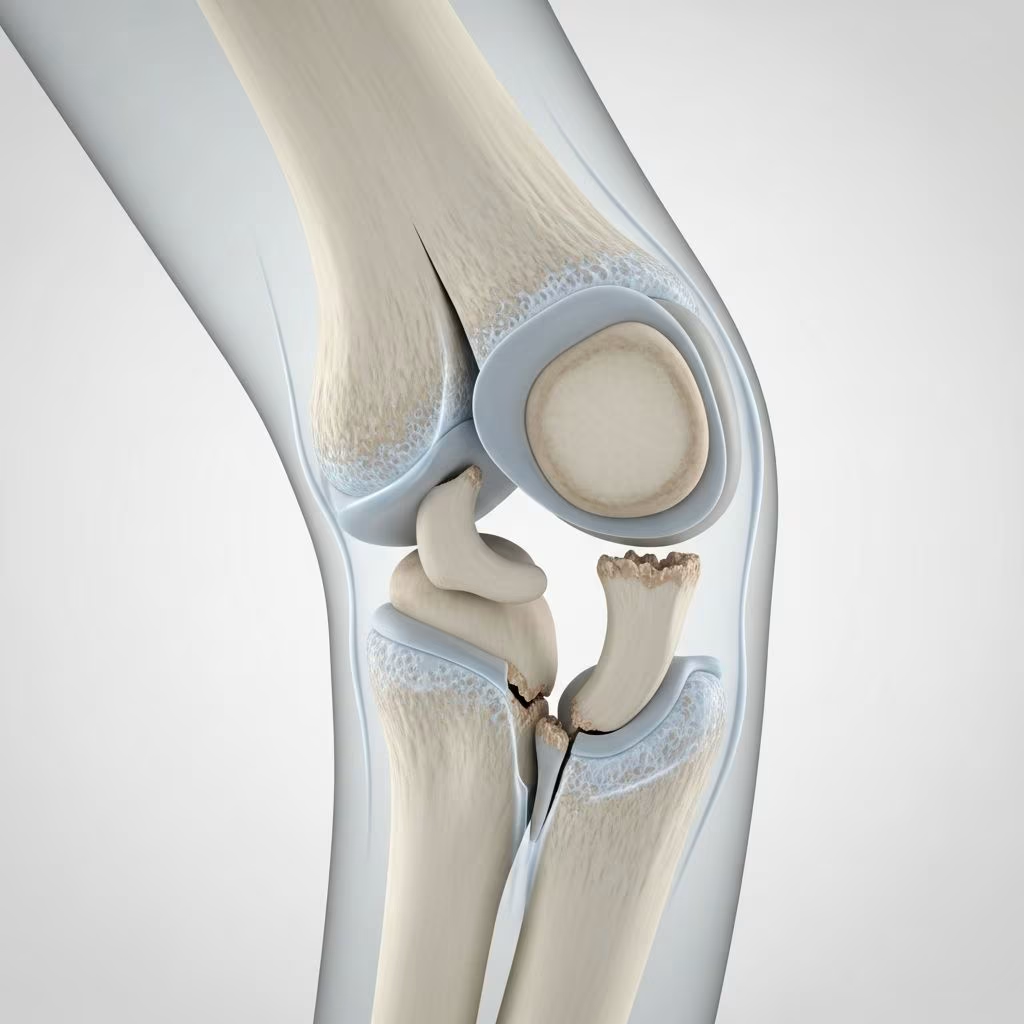
Understanding Ununited Anconeal Process (UAP) in Dogs
The elbow joint in dogs is a complex structure composed of three separate bones: the radius, the ulna, and the humerus. When developmental abnormalities occur in this crucial joint, dogs can develop a condition known as elbow dysplasia. One of the three main types of elbow dysplasia is an ununited anconeal process (UAP), a condition that primarily affects medium and large breed dogs. Understanding this condition is essential for dog owners, as early detection and treatment can significantly improve outcomes and prevent long-term joint damage.
What is an Ununited Anconeal Process?
The anconeal process is a small bony projection located on the ulna, which is the longer of the two forearm bones in dogs. This bony projection forms part of the back surface of the elbow joint and plays a crucial role in stabilizing the joint, particularly when the leg is extended. The anconeal process helps the elbow joint maintain proper alignment and function by fitting into a depression at the end of the humerus called the humeral fossa.
During the skeletal development of dogs, particularly in larger breeds, the anconeal process starts as a separate small bone at birth. As the dog grows and matures, this separate bone should gradually fuse or unite with the main body of the ulna through a process of ossification. This fusion typically occurs by approximately 4 to 5 months of age. However, when this fusion fails to occur properly, the condition is called an ununited anconeal process (UAP).
The fusion between the anconeal process and the rest of the ulna occurs through a growth plate, which is an area of cartilage located near the ends of bones in growing animals. These growth plates are the sites of bone growth and development during a dog’s maturation period. Normally, as a dog reaches puberty, these growth plates close and harden, fusing the separate bone segments together. When the growth plate between the anconeal process and the ulna fails to close and fuse properly, UAP develops, leaving the anconeal process as a separate, unstable fragment within the elbow joint.
Is UAP Hereditary?
Research indicates that UAP appears to be hereditary in certain dog breeds, particularly large breed dogs. In affected animals, there is typically an abnormality in the growth plate that prevents the anconeal process from properly fusing to the main part of the ulna. German Shepherds seem to be particularly susceptible to this condition, with prevalence rates estimated between 12-21% in this breed. However, UAP can occur in other large breed dogs as well.
Interestingly, male dogs are more commonly affected by UAP than females. Beyond genetic predisposition, several other factors have been identified as potentially contributing to the development or progression of UAP:
- Nutritional factors, particularly excess calcium intake during growth
- Hormonal influences that affect bone development and growth plate closure
- Excess weight or obesity during the growth period
- Traumatic injuries to the elbow joint
- Abnormal biomechanical stress on the developing elbow joint
These contributing factors suggest that while genetics play a significant role, environmental and nutritional management during a dog’s growth phase may also influence the manifestation of UAP.
Signs and Symptoms of UAP
When the anconeal process fails to fuse with the ulna, the elbow joint becomes unstable. This instability is the primary cause of the clinical signs associated with UAP. Dog owners may observe various symptoms that indicate their pet may be suffering from this condition.
The most obvious clinical sign is lameness or limping on the affected front leg or legs. This lameness may be mild initially but often worsens with activity or exercise. Additionally, dogs with UAP may cry out or vocalize in pain when the affected elbow is extended or straightened, indicating discomfort during normal movement or when the leg is manipulated.
Other observable signs include:
- Decreased range of motion in the affected elbow joint, with the dog reluctant to fully extend or flex the leg
- Swelling or inflammation visible around the elbow area
- Reluctance to use the affected limb for weight bearing
- Difficulty rising from a resting position
- Reduced activity level or exercise intolerance
- Holding the affected leg in a flexed position to minimize pain
The instability caused by the unfused anconeal process leads to inflammation within the joint. Over time, this chronic inflammation and ongoing instability result in the development of degenerative joint disease or arthritis. In some cases, the anconeal bone fragment may float freely within the joint space, causing additional discomfort and further complications.
Diagnosis of UAP
Diagnosing UAP requires a comprehensive approach that combines physical examination findings with diagnostic imaging. During a physical examination, veterinarians often note highly suggestive signs of UAP, such as pain or resistance when extending the elbow joint, decreased range of motion, and lameness on the affected limb.
However, because other conditions can also cause elbow dysplasia—including fragmented medial coronoid process (FMCP) and osteochondritis dissecans (OCD)—physical examination findings alone are not definitive. The gold standard for diagnosing UAP is radiography or X-ray imaging of the elbow joint.
Radiographic evaluation typically reveals characteristic findings in UAP cases:
- A radiolucent line (a darker line on the X-ray) that separates the anconeal process from the rest of the ulna
- Evidence of joint incongruity or misalignment
- Signs of secondary degenerative changes if the condition has progressed
- Positioning of the anconeal process relative to the humeral fossa
In many cases, to achieve optimal positioning for diagnostic purposes and to obtain clear radiographic images, a short-acting anesthetic or sedative may be necessary. This allows the veterinarian to position the elbow properly for X-ray examination without the dog’s movement causing image artifacts.
For complex or ambiguous cases, it may be beneficial to have the X-rays examined by a board-certified veterinary radiologist who specializes in interpreting orthopedic imaging. This expert evaluation can help confirm the diagnosis and differentiate UAP from other conditions with similar presentations.
Treatment Options for UAP
Treatment of UAP most often requires surgical intervention. The goal of surgery is to restore elbow stability, reduce pain, and prevent or slow the progression of secondary arthritis. The specific surgical approach chosen depends on several factors, including the underlying cause of the UAP, the degree of joint instability, the presence of secondary arthritis, and the individual dog’s condition.
Surgical Approaches
Several surgical techniques may be employed to treat UAP:
Removal of the Anconeal Process: In some cases, surgeons may remove the unstable anconeal process fragment from the joint entirely. This approach eliminates the source of instability and inflammation, though it does result in loss of the stabilizing function this bone normally provides.Reattachment with Screws: If the anconeal process is of adequate size and quality, surgeons may attempt to reattach it to the ulna using specialized orthopedic screws or plates. This approach aims to restore normal anatomy and function while maintaining the stabilizing role of the anconeal process.Ulnar Osteotomy: In cases where abnormal bone alignment contributes to the problem, surgeons may perform an osteotomy, which involves cutting and repositioning the ulna to improve elbow alignment and weight-bearing mechanics. This technique addresses the underlying biomechanical abnormality that prevented proper fusion.
Given the complexity of orthopedic surgery and the specialized knowledge required, many veterinarians recommend a referral to a board-certified veterinary orthopedic surgeon for surgical correction of UAP. These specialists have advanced training and experience in treating complex elbow conditions and can provide the most appropriate surgical intervention for each individual case.
Timing is Critical
Surgery should be performed as soon as possible after diagnosis is confirmed. The timing of surgical intervention is crucial because results of surgery are significantly better when the procedure is performed before secondary arthritis develops and damages the joint cartilage. Early surgical correction can prevent permanent degenerative changes that would otherwise result in chronic pain and disability. As the condition progresses and arthritis develops, the prognosis for complete functional recovery diminishes, making early intervention essential.
Frequently Asked Questions About UAP
Q: At what age does UAP typically develop?
A: UAP becomes apparent when the anconeal process fails to fuse with the ulna by approximately 4 to 5 months of age. However, signs may not become clinically obvious until later, depending on the severity of the condition and individual factors.
Q: Which dog breeds are most commonly affected by UAP?
A: Large breed dogs are predominantly affected by UAP. German Shepherds are particularly susceptible, with prevalence rates of 12-21% in the breed. Other large breeds that may be affected include Rottweilers, Labrador Retrievers, Golden Retrievers, and other giant breed dogs.
Q: Are male dogs more likely to develop UAP than females?
A: Yes, male dogs are more commonly affected by UAP than female dogs, though the exact reason for this sex-based difference is not fully understood.
Q: Can UAP be prevented?
A: While genetics play a significant role in UAP development, responsible breeding practices can help reduce incidence. Additionally, providing appropriate nutrition (avoiding excess calcium), maintaining ideal body weight during growth, and preventing traumatic injuries to the elbow may help reduce risk in predisposed dogs.
Q: What happens if UAP is left untreated?
A: Without treatment, the chronic instability and inflammation caused by UAP will progressively lead to secondary degenerative joint disease and arthritis. This results in chronic pain, increasing lameness, and significantly diminished quality of life for the dog.
Q: How long is the recovery period after UAP surgery?
A: Recovery time varies depending on the specific surgical procedure performed and individual healing factors. Generally, initial recovery takes several weeks, with gradual return to normal activity over 6-12 weeks. Your surgeon will provide specific post-operative instructions and rehabilitation guidelines.
Q: Can dogs with UAP live normal lives after surgery?
A: With early surgical intervention before significant arthritis develops, many dogs can return to relatively normal function and quality of life. However, some may have ongoing mild lameness or exercise limitations depending on the extent of secondary joint changes.
References
- Ununited Anconeal Process (UAP) in Dogs — VCA Animal Hospitals. Accessed November 2025. https://vcahospitals.com/know-your-pet/ununited-anconeal-process-or-uap-in-dogs
- German Shepherd – Elbow Dysplasia UAP — Universities Federation for Animal Welfare (UFAW). Accessed November 2025. https://www.ufaw.org.uk/dogs/german-shepherd-elbow-dysplasia-uap
- Elbow Dysplasia Fact Sheet — Davies Veterinary Specialists. Accessed November 2025. https://www.vetspecialists.co.uk/fact-sheets-post/elbow-dysplasia-fact-sheet/
- Radiographic Evaluation of the Anconeal Process in Skeletally Immature Dogs — PubMed/National Center for Biotechnology Information. Published 2010. https://pubmed.ncbi.nlm.nih.gov/20723191/
- Radiographic Diagnosis of Developmental Orthopedic Disease of the Canine Elbow — Today’s Veterinary Practice. Accessed November 2025. https://todaysveterinarypractice.com/radiology-imaging/radiographic-diagnosis-of-developmental-orthopedic-disease-of-the-canine-elbow/



