

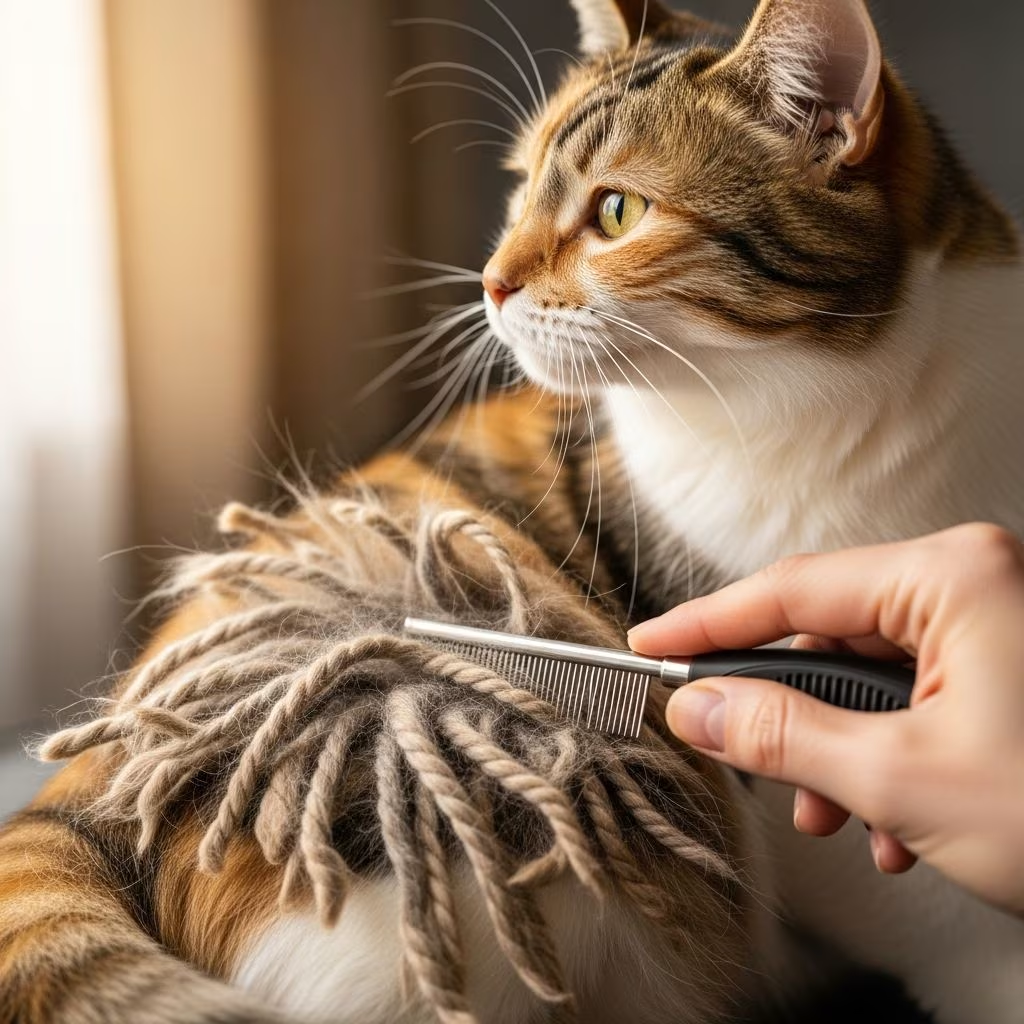
Cats typically maintain pristine coats through diligent self-grooming, but matted fur—dense, tangled clumps—can emerge from various factors, leading to discomfort or health risks if ignored. This guide details the origins of matting, safe removal methods, prevention strategies, and professional interventions to keep your cat’s skin and fur in top condition.
Understanding the Roots of Matted Fur
Matted fur arises when loose hairs, debris, and oils intertwine into stubborn knots, particularly in long-haired breeds or during heavy shedding seasons. These tangles tighten over time, pulling on sensitive skin and potentially causing irritation or infections.
Environmental and Lifestyle Triggers
Daily activities contribute significantly to mat formation. Debris like litter particles or food remnants snag in the coat, initiating tangles that accumulate more fur. High-friction zones, such as the armpits, groin, belly, and collar area, experience constant rubbing against legs, furniture, or bedding, accelerating knot development.
- Shedding cycles release undercoat hairs that trap in the topcoat.
- Dirt or oily buildup from unclean environments exacerbates clumping.
- Frequent contact with rough surfaces worsens friction-related mats.
Health-Related Contributors
Underlying conditions often impair a cat’s grooming ability. Seniors with arthritis struggle to twist and reach, allowing mats to form on backs and flanks. Obesity limits flexibility, while dental pain or injuries deter licking altogether. Excess skin oils from hormonal shifts or poor diet can grease fur, promoting lumps.
| Factor | Common in | Impact |
|---|---|---|
| Arthritis | Senior cats | Reduced reach to back and legs |
| Obesity | Overweight felines | Limited mobility for grooming |
| Dental issues | All ages | Pain discourages self-cleaning |
| Oily coat | Long-haired breeds | Greasy tangles form quickly |
Spotting Early Signs of Trouble
Detect mats before they escalate by running your fingers through your cat’s coat weekly. Feel for irregular lumps, especially in hidden spots. Behavioral clues include excessive scratching, reluctance to be touched, or patchy hair loss. In advanced cases, mats tug skin, causing inflammation or hot spots.
For long-haired cats like Persians or Maine Coons, daily checks prevent rapid progression. Short-haired breeds mat less but still require vigilance during molts.
Safe At-Home Detangling Techniques
Addressing small mats promptly avoids professional help. Never use scissors—risks include nicking skin or stressing your cat. Instead, follow these gentle steps for humane removal.
- Prepare the area: Calm your cat in a quiet space with treats handy. Use a non-slip mat for comfort.
- Assess and soften: Isolate the mat. Apply pet-safe detangler spray or cornstarch to loosen without wetting, as water tightens knots.
- Gently tease apart: Start at edges with fingers or a wide-tooth comb. Work inward slowly, rewarding patience.
- Brush methodically: Employ a slicker brush or mat splitter for remaining tangles. Brush in growth direction to avoid pulling.
If mats resist after 10-15 minutes, stop to prevent trauma. Persistent attempts heighten stress and injury risk.
Essential Tools for Success
- Slicker brush: Removes loose fur and light mats effectively.
- Mat breaker/comb: Precision tool for dense knots without scissors.
- Detangling spray: Conditions fur for easier separation.
- Rubber curry brush: Ideal starter for shedding prevention.
Professional Grooming Options
For extensive matting, groomers use clippers to shave mats safely, preserving as much coat as possible. Sedation-free techniques minimize anxiety. Vets handle cases with skin involvement, treating ulcers or infections first. Monthly sessions suit long-haired or senior cats, combining clipping, bathing, and nail trims.
Prevention: Building a Grooming Habit
Proactive care keeps mats at bay. Integrate brushing into daily routines, adapting to your cat’s tolerance.
Daily and Weekly Routines
Brush 1-3 times weekly for short coats, daily for longs. Follow head-to-tail strokes, focusing on friction zones. Pair with diet rich in Omega-3s and vitamin E for coat health—consult vets for supplements.
- Start young to acclimate kittens.
- Use positive reinforcement: treats, play post-brush.
- Monitor weight and joints to sustain grooming ability.
Bathing Best Practices
Bathe only when necessary, using cat-specific shampoo. Pre-brush thoroughly. Use lukewarm water, avoiding the face. Towel-dry gently; air-dry in warmth. Frequency: Every 4-6 weeks max.
Special Focus: Senior Cat Coat Care
Aging felines face amplified risks. Declining elasticity heightens mat pain, while thinner skin bruises easily. Routine vet exams uncover arthritis or dental woes early. Gentle tools like soft-bristle brushes suit sensitive joints. Extra praise during sessions eases cooperation.
Watch for overproduction of oils signaling endocrine issues. Professional help quarterly maintains dignity and comfort.
When to Consult a Veterinarian
Seek immediate care if mats embed in skin, cause bleeding, or accompany lethargy, appetite loss, or odor. These signal infections or systemic problems like hyperthyroidism. Vets diagnose via exams, possibly recommending dietary shifts or meds.
Frequently Asked Questions
Can I cut out mats myself?
No—scissors risk severe injury. Use combs or pros instead.
How often should I groom my cat?
Daily for long fur, 2-3 times weekly for short, adjusting for shedding.
Why does my cat suddenly have mats?
Likely health shifts; vet check recommended.
Is shaving my cat safe?
Yes, by groomers—regrowth occurs in weeks, with no long-term harm.
What diet helps prevent matting?
High-quality food with fatty acids; vet-guided supplements aid.
References
- Matted Cat Hair: Causes & Dematting Solutions — Four Paws. Accessed 2026. https://www.fourpaws.com/pets-101/cat-corner/matted-cat-hair
- Matted Cat Fur: How to Remove Matted Cat Hair — PetVet Care Centers. 2022-06-15. https://www.petvetcarecenters.com/site/blog/2022/06/15/matted-cat-fur
- Groom Old Cat: Why do older cats get matted fur — Stoney Creek Veterinary. 2024-02-28. https://www.stoneycreekveterinary.com/site/blog/2024/02/28/groom-old-cat



