
Untangling Dog Mats: Safe Home Grooming Guide
Discover effective, stress-free methods to remove mats from your dog's coat at home while preventing future tangles for a healthier, happier pet.
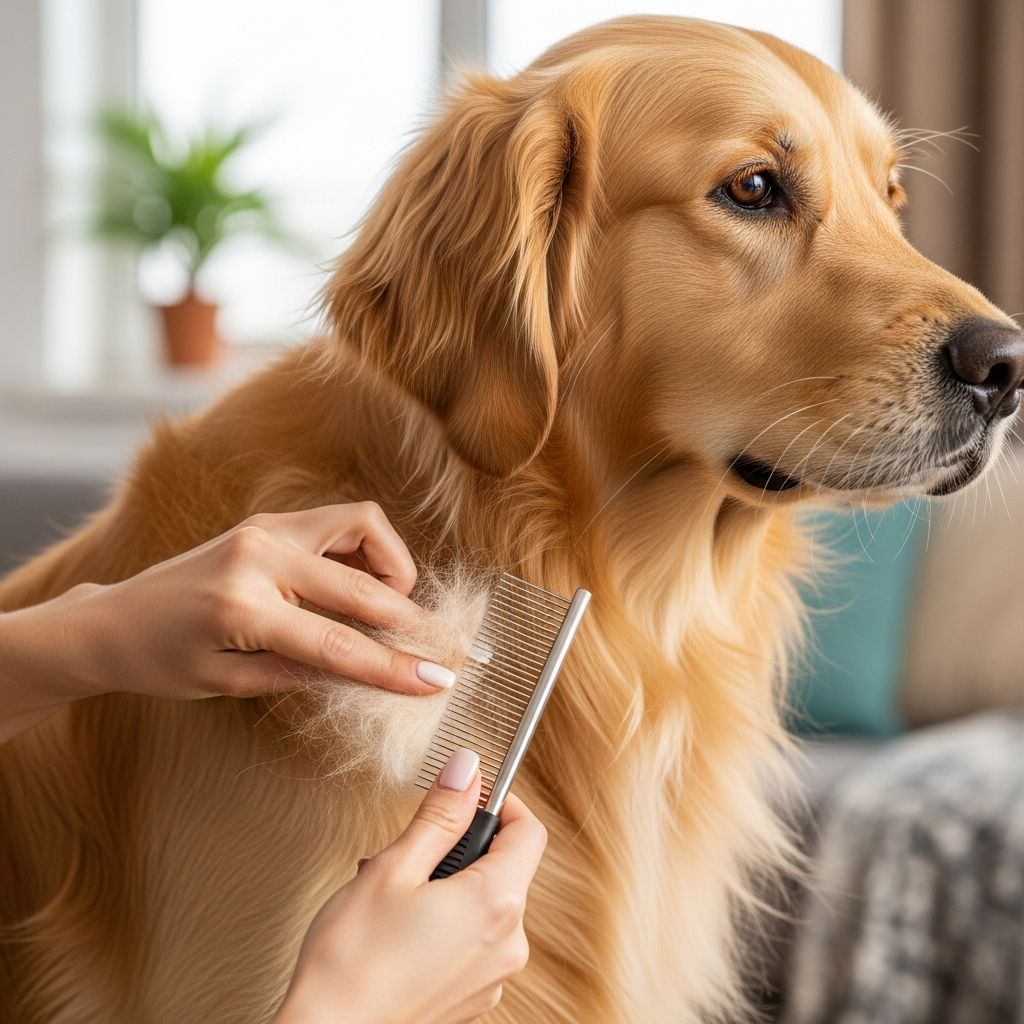
Matted fur in dogs forms dense, tangled knots that pull on the skin, causing discomfort, infections, or even mobility issues if ignored. This guide provides pet owners with practical, humane strategies to identify, remove, and prevent these common coat problems, drawing from proven grooming practices suitable for home use.
Understanding Why Dogs Develop Matted Fur
Mats occur when loose hairs, dirt, moisture, and natural oils intertwine, creating tight clumps. Long-haired breeds like Poodles, Shih Tzus, and Golden Retrievers are especially prone due to their dense undercoats. Friction from collars, frequent swimming, or allergic scratching exacerbates the issue, as dead fur mixes with live strands. In curly-coated dogs, drying after baths can cause hairs to curl and snag, forming knots rapidly.
Early detection is crucial. Run your fingers through your dog’s coat daily, feeling for raised bumps or resistance. Common hotspots include behind the ears, armpits, groin, tail base, and legs, where movement and moisture concentrate tangles. Neglected mats trap bacteria, leading to hot spots or folliculitis, as confirmed by veterinary grooming standards.
Essential Tools for Effective Detangling
Selecting the right equipment makes mat removal safer and less stressful. Start with tools matched to mat size and coat type.
| Tool | Ideal Use | Advantages | Potential Drawbacks | Pro Tips |
|---|---|---|---|---|
| Mat Splitter | Large, tight knots | Quickly sections mats for easier brushing | May snag if forced | Slide under mat base, slice outward gently |
| Slicker Brush | Medium tangles, daily maintenance | Removes loose undercoat efficiently | Bristles can prick skin | Position hand below mat as a buffer |
| Pin Brush | Finishing touches, fluffy coats | Gentle, distributes oils | Not for heavy matting | Follow up after initial detangling |
| Wide-Tooth Comb | Final smoothing, undercoat check | Detects hidden snags | Pulls if used too aggressively | Begin at edges, work inward slowly |
| Deshedding Rake | Thick double coats | Pulls deep shedding fur | Requires light pressure | Use pre-bath to prevent new mats |
Invest in quality items; cheap brushes shed wires that irritate skin. For natural options, coconut oil softens mats when massaged in, allowing gentle combing. Always pair tools with detangling sprays containing conditioning agents to lubricate strands.
Step-by-Step Process for Safe Mat Removal at Home
Approach grooming calmly to avoid associating it with pain. Sessions should last 10-15 minutes max, with breaks for treats.
- Prepare the Area: Bathe your dog first using a moisturizing shampoo. Towel-dry thoroughly, then use a low-heat blow dryer to fluff the coat. Damp fur mats worse.
- Isolate the Knot: Part surrounding fur and lift the mat. Hold the base firmly against the skin to prevent pulling.
- Apply Lubricant: Mist with detangler or rub in warmed coconut oil. Let sit 5-10 minutes to loosen bonds.
- Work from Outsides: Use fingers or a wide comb to tease apart edges. Progress inward with a mat splitter if needed, never yanking.
- Brush Gently: Slicker brush in short strokes toward growth direction. Reward progress to keep your dog relaxed.
- Final Pass: Comb through fully. Trim stubborn remnants with blunt scissors, comb inserted as a guard.
For severe cases covering large areas, avoid home clipping unless experienced—risks nicks and uneven results. Seek a professional for sanitary shaves.
Prevention Strategies for a Tangle-Free Coat
Consistent maintenance trumps reactive fixes. Brush 3-5 times weekly, more for swimmers or high-shedders.
- Daily Checks: Finger-comb high-risk zones during playtime.
- Pre-Bath Routine: Rake out dead hair before wetting to avoid clumping.
- Post-Bath Care: Blot dry, then brush damp fur straight. Air-dry curls under supervision.
- Accessories Matter: Fit collars loosely; wipe paws after walks to remove debris.
- Diet Boost: Omega-3 supplements strengthen fur resilience, reducing breakage.
Seasonal shedding demands undercoat rakes like the Furminator for short coats, but use sparingly on long fur to avoid over-thinning.
Natural Remedies to Soften and Dissolve Mats
Household items offer gentle alternatives. Coconut oil penetrates shafts, adding elasticity for comb-through. Mix equal parts oil and warm water, massage into mats, and brush after 30 minutes—or overnight for heavy cases before bathing.
Olive or argan oil works similarly, but test for allergies first. Avoid human conditioners with sulfates. For fleas contributing to mats, consult vets for treatments alongside brushing. These methods suit eco-conscious owners, mimicking professional spa techniques at home.
When to Call a Professional Groomer
Home efforts suffice for minor issues, but widespread matting signals neglect. Pros use clippers for even shaves, preventing uneven patches. Post-shave, monitor for sunburn or chill—light sweaters help. If mats recur despite routines, underlying issues like hypothyroidism or allergies may need vet diagnosis.
Common Mistakes to Avoid During Detangling
Forceful brushing rips hair follicles, fostering aversion to grooming. Never bath a heavily matted dog without pre-dematting; water tightens knots. Scissors pose skin-cut risks without guards. Over-reliance on deshedding tools thins coats unnaturally.
FAQs on Dog Mat Management
Can I brush my dog wet?
Light damp brushing prevents curls from tangling, but fully dry heavy mats first.
Is shaving the only fix for bad mats?
No—layered clipping or full shaves work, but pros ensure evenness and skin safety.
How often should long-haired dogs be groomed?
Daily checks, full brushes every 2-3 days.
Do detangling sprays really help?
Yes, they lubricate and condition, easing tool passage.
What if my dog hates grooming?
Use distractions like lick mats with peanut butter; build tolerance gradually.
Breed-Specific Grooming Tips
Doodles need frequent slicker work due to curly mixes. Silky terriers benefit from pin brushes. Double-coated breeds like Huskies require rakes seasonally, avoiding over-brushing. Tailor routines to genetics for optimal results.
Mastering these techniques empowers owners, saving costs while bonding with pets. Regular care keeps coats vibrant and dogs itch-free.
References
- How to Get Mats Out of Dog Hair Effectively — Vetericyn. 2023. https://vetericyn.com/blogs/vetericyn/how-to-get-mats-out-of-dog-hair-effectively
- How to Get Mats Out of Dog Hair — Whole Dog Journal. 2023. https://www.whole-dog-journal.com/care/how-to-get-mats-out-of-dog-hair/
- How to Get Mats Out of Dog Hair — Purina US. 2024. https://www.purina.com/articles/dog/health/routine-care/dogs-hair-is-matted-how-to-get-mats-out
- 2 EASY WAYS to De-Mat your DOG at home NATURALLY — YouTube (Go Groomer). 2022. https://www.youtube.com/watch?v=qVgiqy6Vdlg
Similar Articles








Read full bio of medha deb




