

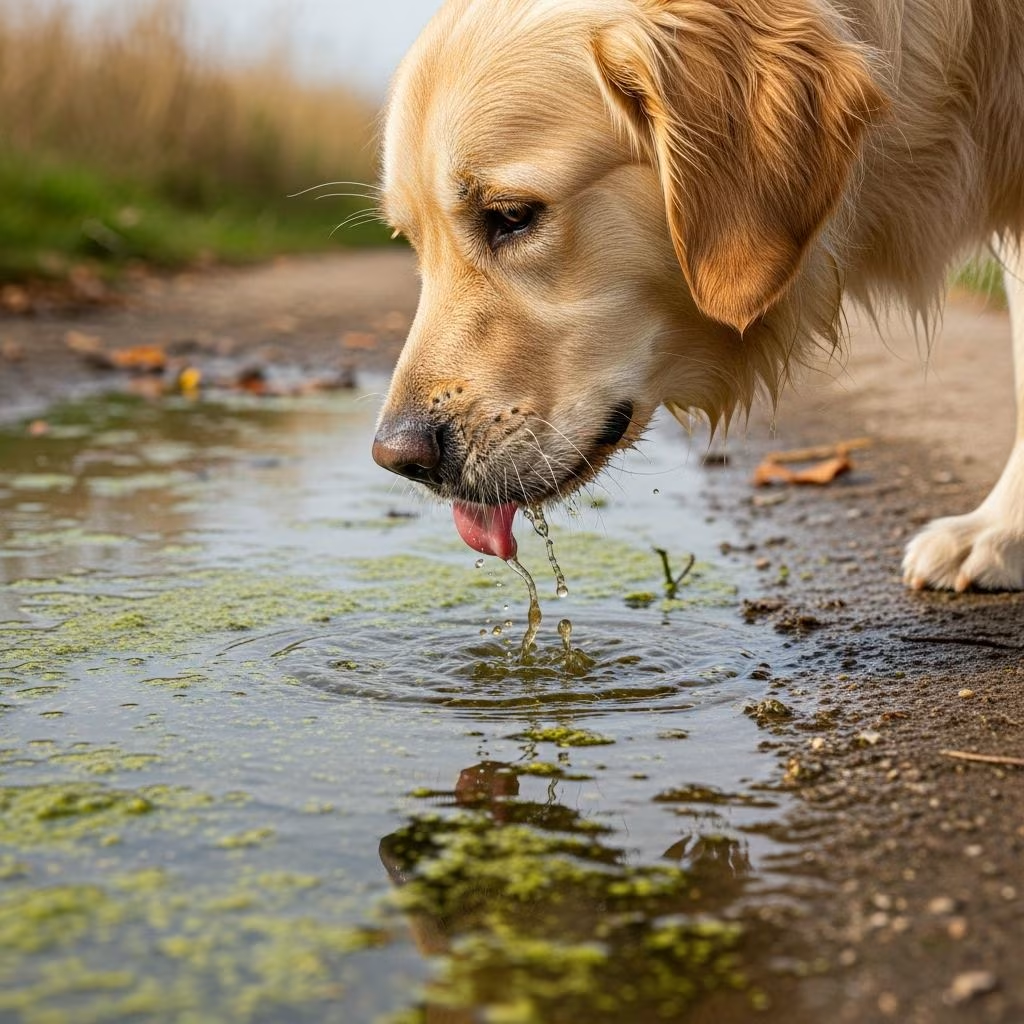
Dogs love water, whether splashing in pools, lakes, or oceans, but certain types of water can pose serious health threats. Overconsumption of fresh water or exposure to salty seawater can lead to dangerous conditions like water intoxication or salt poisoning, potentially causing severe illness or death if not addressed promptly. Understanding these risks empowers owners to safeguard their pets during playtime.
Understanding Water Intoxication in Dogs
Water intoxication, also known as hyponatremia, occurs when a dog ingests excessive amounts of fresh water, diluting blood sodium levels critically. This disrupts cellular function, particularly in the brain, leading to swelling and neurological issues. It commonly affects energetic dogs during prolonged water play, such as fetching balls in pools or lakes.
The condition develops rapidly, often within hours of heavy water intake. Small breeds and puppies are especially vulnerable due to their lower body mass, which makes electrolyte imbalances more pronounced. Owners might overlook early signs amid exciting play sessions, allowing the problem to escalate.
Key Symptoms to Watch For
Recognizing symptoms early is crucial for timely intervention. Initial signs mimic fatigue from play but progress quickly to alarming indicators:
- Lethargy and weakness: Dog appears unusually tired or reluctant to move.
- Loss of coordination: Staggering, stumbling, or inability to walk straight.
- Abdominal bloating: Swollen belly from fluid retention.
- Vomiting and excessive drooling: Nausea leads to repeated expulsion of water or foam.
- Pale gums and difficulty breathing: Signs of poor circulation and oxygen deprivation.
- Seizures, collapse, or coma: Advanced stages indicate brain swelling and require immediate emergency care.
If any combination of these appears after water activities, rush to a vet without delay. Monitoring during and after play prevents oversight.
Common Scenarios Leading to Fresh Water Risks
Certain activities heighten the chance of overdrinking. Retrieving toys from pools or chasing sticks in lakes encourages gulping large volumes. Hot weather exacerbates thirst, prompting frantic drinking from bowls or hoses. Boat outings or dock diving also contribute, as dogs submerge repeatedly without breaks.
| Activity | Risk Level | Why It’s Dangerous |
|---|---|---|
| Pool fetching | High | Repeated submersion and swallowing |
| Lake swimming | Medium-High | Excitement leads to excessive intake |
| Hot weather hose play | High | Rapid, uncontrolled drinking |
| Supervised breaks | Low | Allows electrolyte recovery |
This table highlights high-risk play types, emphasizing the need for structured supervision.
Treatment Protocols for Water Intoxication
Veterinary intervention focuses on restoring sodium balance carefully to avoid complications like brain dehydration. Immediate steps include:
- Blood tests to assess sodium levels and overall electrolytes.
- Intravenous hypertonic saline for acute cases to elevate sodium gradually (no faster than 0.5-1 mEq/L per hour).
- Diuretics to expel excess fluid and anticonvulsants for seizures.
- Supportive care like mannitol for brain swelling reduction.
Mild cases may resolve with monitoring and fluids, while severe ones demand hospitalization. Prognosis improves with early treatment; many dogs recover fully within hours to days.
En route to the vet, avoid inducing vomiting or giving more water, as this worsens dilution. Note symptom progression for the clinician.
Salt Water Poisoning: A Coastal Threat
Beyond fresh water excess, ocean swims introduce salt water poisoning or hypernatremia. Dogs lapping seawater face skyrocketing blood sodium, triggering dehydration as cells shrink, especially in the brain. Beach outings pose this risk, with symptoms emerging 1-24 hours post-exposure.
Unlike fresh water overload, salt pulls fluid from tissues, causing thirst, vomiting, and neurological chaos. Pre-existing conditions like kidney issues amplify dangers.
Identifying Salt Water Dangers
Symptoms divide into mild and severe phases:
- Mild indicators: Increased thirst, single vomit episode, diarrhea, unusual fatigue, excessive drooling.
- Serious signs: Repeated vomiting (possibly bloody), confusion, tremors, seizures, collapse.
Act swiftly: Remove from beach, offer small fresh water sips if tolerated, and contact emergency services for neurological symptoms.
Prevention Strategies for All Water Play
Proactive measures minimize risks across scenarios:
- Enforce frequent breaks (every 30 minutes) from water activities to allow natural fluid balance.
- Limit toy throws in water; use land-based games intermittently.
- Provide fresh water stations away from play areas to discourage gulping salt or excess fresh.
- Monitor small dogs and puppies closely; their size heightens vulnerability.
- Rest before refilling bowls post-exercise to prevent binge drinking.
- Avoid rough waters or waves that splash salt into mouths.
Hot days demand shaded breaks and controlled hydration. Supervise obsessively during unsupervised access like ponds or puddles.
Emergency Response Roadmap
When symptoms arise:
- Stop water exposure immediately.
- Assess and note symptoms, pulse, breathing.
- Call vet ahead for instructions; head to emergency clinic.
- Withhold food/meds unless directed.
- Bring vomit samples if possible.
Time is critical; delays can lead to irreversible damage or fatality.
FAQs on Dog Water Safety
Q: How much water is too much for my dog?
A: No fixed amount, but watch for post-play symptoms. Small dogs risk intoxication faster.
Q: Can puppies get water intoxication?
A: Yes, their small size makes them highly susceptible; limit playtime strictly.
Q: Is pool water safe for dogs?
A: Chlorinated pools are generally fine in moderation, but excessive drinking causes intoxication.
Q: What about standing water like puddles?
A: Avoid; they may contain contaminants leading to bacterial issues alongside dilution risks.
Q: How do I know if it’s salt vs. fresh water issue?
A: Salt causes extreme thirst and dehydration; fresh leads to bloating. Vet bloodwork confirms.
Q: Recovery time after treatment?
A: Mild cases hours; severe may take days with hospitalization.
Long-Term Hydration Best Practices
Beyond play, ensure balanced daily intake. Use puzzle feeders for water to slow consumption. In hot climates, offer electrolyte-enhanced drinks sparingly, vet-approved. Regular check-ups catch underlying issues like kidney function that compound water risks.
Educating family members on signs and limits creates a vigilant environment. Water fun should enhance bonding, not endanger health.
References
- Signs, Treatment, and Prevention of Dog Water Intoxication — Rover. 2023. https://www.rover.com/blog/dog-water-intoxication/
- Water intoxication in dogs — Animal Poisons Helpline. 2023. https://www.animalpoisons.com.au/news/water-intoxication-in-dogs/
- What is water intoxication in dogs and how can I prevent it? — Vets Now. 2023. https://www.vets-now.com/pet-care-advice/water-intoxication-in-dogs/
- Water Intoxication in Dogs — Centennial Animal Hospital. 2018-07-01. https://www.centennialanimalhospital.com/resources/blog/july-2018/water-intoxication-in-dogs
- Salt Water Poisoning in Dogs: Urgent Signs & What to Do — GSVS. 2023. https://gsvs.org/blog/salt-water-poisoning-dogs-emergency/
- Water Intoxication — Iowa Veterinary Specialties. 2023. https://www.iowaveterinaryspecialties.com/student-scholars/water-intoxication
- Recognizing and Preventing Water Intoxication in Dogs — Beverly Hills Vets. 2023. https://www.beverlyhillsvets.com/blog/recognizing-and-preventing-water-intoxication-in-dogs/
- Treating Acute Water Intoxication in Pets — ASPCApro. 2023. https://www.aspcapro.org/resource/treating-acute-water-intoxication-pets
- Summer safety tips — Cornell University College of Veterinary Medicine. 2023. https://www.vet.cornell.edu/departments-centers-and-institutes/riney-canine-health-center/canine-health-topics/summer-safety-tips



