

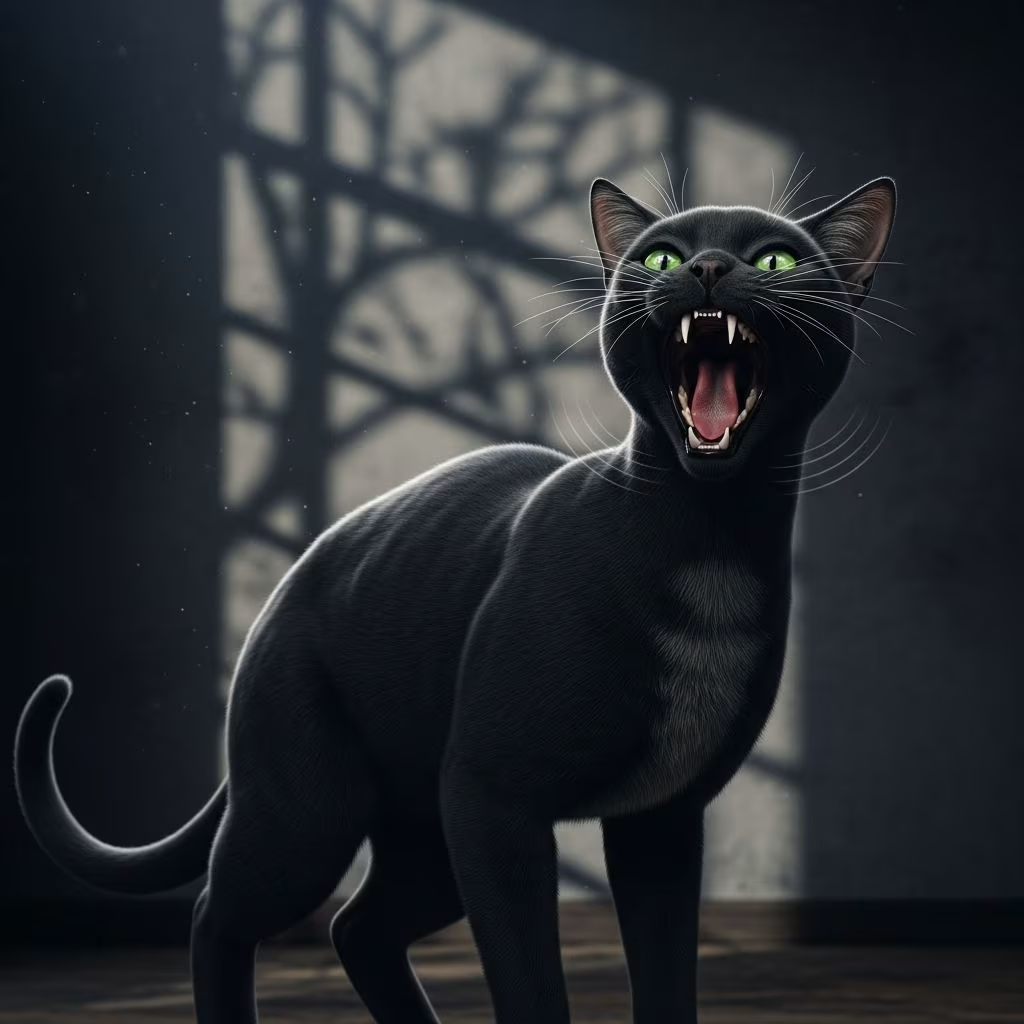
Cat yowling stands out as a piercing, prolonged vocalization that differs markedly from the softer meows cats use in daily interactions. This deep, urgent sound often signals unmet needs, discomfort, or instinctual drives, prompting owners to investigate promptly. Understanding these calls can strengthen the bond between you and your pet while preventing potential health concerns from escalating.
Distinguishing Yowling from Typical Meows
Yowling produces a lower-pitched, more intense tone compared to standard meows, which cats primarily direct at humans rather than other felines after kittenhood. Meows mimic infant cries to elicit care, whereas yowls convey territory claims, mating urges, or distress, making them jarring and attention-grabbing. Recognizing this distinction helps owners respond appropriately to their cat’s specific message.
Primary Triggers for Feline Yowling
Several factors drive cats to yowl, ranging from emotional to physiological. These vocal bursts serve as a cat’s way to broadcast needs across their environment, especially in homes where subtle cues go unnoticed.
- Attention and Companionship Needs: Lonely or bored cats, particularly indoor ones, yowl to summon interaction when routines feel monotonous.
- Environmental Disruptions: Moves, new pets, or routine shifts unsettle cats, leading to stress-induced cries as they vocalize discomfort.
- Unfulfilled Desires: Requests for food, access to rooms, or play prompt direct, repetitive yowls to communicate expectations clearly.
Hormonal Influences on Vocal Behavior
Unneutered cats frequently yowl due to reproductive instincts. Females in estrus emit loud caterwauls averaging seven days to attract mates, starting as early as five months old. Males respond similarly, marking territory with intensified calls. Neutering typically reduces these behaviors significantly, promoting calmer households.
Age-Related Causes in Senior Cats
Older cats yowl more due to cognitive and sensory declines. Cognitive Dysfunction Syndrome (CDS), akin to feline dementia, disrupts sleep cycles, causing nighttime wandering and vocalization. Hearing or vision loss amplifies confusion, resulting in louder, disoriented cries as cats navigate unfamiliar surroundings.
| Age Factor | Symptoms | Potential Impact on Yowling |
|---|---|---|
| Cognitive Dysfunction | Disrupted sleep, blank staring, appetite changes | Nighttime vocalization increases |
| Sensory Loss | No response to sounds, bumping into objects | Louder cries from uncertainty |
| Hypertension | Restlessness, high drive | Incessant meowing/yowling |
Medical Conditions Linked to Excessive Yowling
Health issues often underlie sudden yowling spikes. Hyperthyroidism, prevalent in seniors, accelerates metabolism, causing hyperactivity and vocal restlessness alongside weight loss. Hypertension, frequently secondary to thyroid problems, similarly heightens vocalization. Pain from arthritis, dental disease, or injuries prompts cries, as does kidney dysfunction or neurological disorders like brain tumors.
- Hyperthyroidism: Increased night vocalization, hyperactivity
- Pain-related: Arthritis, tummy issues, injuries
- Neurological: Circling, head pressing
When Yowling Signals Aggression or Fear
Yowls accompany aggression rooted in fear, directed at intruders like other pets or loud noises. These episodic bursts aim to deter threats, differing from chronic patterns by their context-specific nature. Body language, such as arched backs or dilated pupils, accompanies these defensive vocalizations.
Nighttime Yowling: A Special Concern
Many owners report intensified yowling after dark, tied to natural crepuscular activity, CDS, or illness. Under-stimulation during the day exacerbates this; play sessions before bed can realign sleep patterns. Persistent nocturnal cries warrant veterinary evaluation to rule out dementia or hypertension.
Practical Solutions to Reduce Yowling
Addressing yowling starts with identifying triggers through observation. Enhance enrichment with toys and vertical spaces to combat boredom. For seniors, routine consistency and pheromone diffusers ease stress. Medical cases require prompt vet visits for bloodwork and treatments like thyroid medication.
- Observe patterns: Note timing, context, and accompanying behaviors.
- Enrich environment: Provide scratching posts, puzzle feeders.
- Vet check: Screen for thyroid, blood pressure, pain.
- Spay/neuter: Eliminate hormonal drives.
Signs Your Cat Needs Immediate Veterinary Care
Not all yowling resolves with home adjustments. Accompanying symptoms demand professional attention:
- Lethargy, hiding, litter avoidance
- Weight loss despite eating
- Irritability, poor grooming
- Sudden onset in seniors
Avoid punishment, as it heightens anxiety; instead, respond empathetically while seeking causes.
FAQs on Cat Yowling
Why does my cat yowl at night?
Night yowling often stems from CDS, sensory loss, hyperthyroidism, or natural activity peaks. Vet evaluation is crucial for seniors.
Is yowling always a health problem?
No, it can indicate boredom, stress, or hormones, but persistent changes merit medical checks.
How can I stop attention-seeking yowls?
Increase playtime and ignore demands selectively to reinforce quiet behavior.
Does neutering reduce yowling?
Yes, especially hormonal yowls in intact cats.
What if my senior cat suddenly yowls more?
Check for CDS, thyroid issues, or pain; early intervention improves quality of life.
References
- What Your Cat’s Yowling is Really Trying to Tell You — Boulder Vet. Accessed 2026. https://bouldervet.com/blog/why-is-my-cat-yowling-so-much/
- Why is Your Elderly Cat Yowling Excessively? — Purina. Accessed 2026. https://www.purina.com/articles/cat/senior-cat/behavior/yowling
- Why Is My Cat Meowing So Much? Exploring Excessive Vocalization in Cats — Bayview Animal Hospital. Accessed 2026. https://bayviewpets.com/why-is-my-cat-meowing-so-much-exploring-excessive-vocalization-in-cats/
- Why Is My Cat Meowing So Much? — PetMD. Accessed 2026. https://www.petmd.com/cat/behavior/cat-meowing
- Why Cats Meow and Yowl Excessively — Preventive Vet. Accessed 2026. https://www.preventivevet.com/cats/excessive-meowing-and-yowling-in-cats
- The Cat’s Meow! Caterwauling in Cats — VCA Animal Hospitals. Accessed 2026. https://vcahospitals.com/know-your-pet/the-cats-meow-caterwauling-in-cats
- Why Does My Cat Yowl at Night? — Hill’s Pet. Accessed 2026. https://www.hillspet.com/cat-care/behavior-appearance/why-does-my-cat-yowl-at-night



