

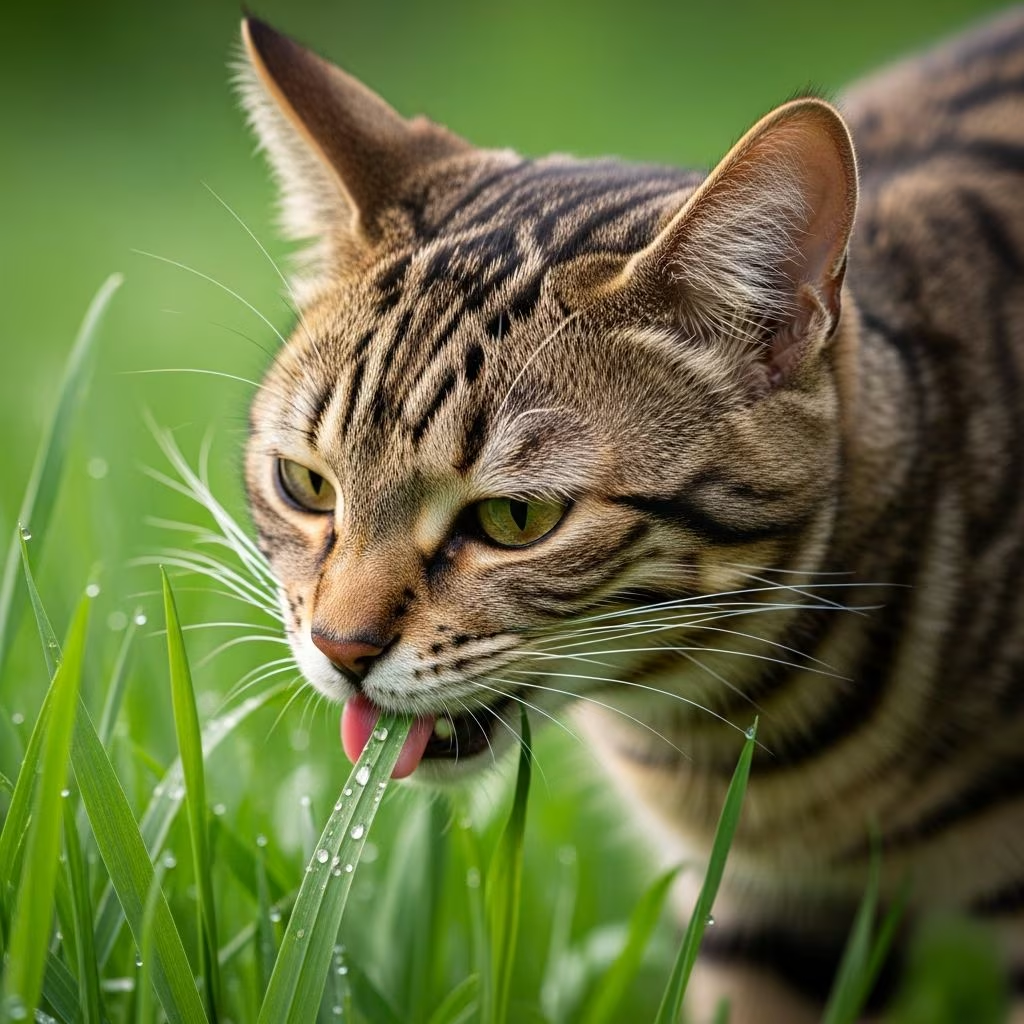
Cats frequently nibble on grass, a behavior that puzzles many owners, especially when it leads to vomiting. This habit stems from deep-rooted instincts rather than illness, helping with digestion and parasite expulsion in wild ancestors.
The Evolutionary Roots of Feline Grass Consumption
Domestic cats inherit behaviors from their wild forebears, who consumed grass to purge intestinal parasites. Studies indicate this increases gut motility, wrapping and expelling worms, a survival mechanism persisting today despite fewer parasites in pets.
Research surveying over 1,000 cat owners found 71% of cats eat plants at least six times in their lives, unrelated to feeling ill beforehand in 91% of cases. Vomiting occurs in only about 25% of instances, debunking the myth that cats eat grass solely to induce regurgitation.
Digestive Advantages for Modern Cats
Grass acts as a natural laxative, aiding passage of indigestible matter like furballs through the intestines. As obligate carnivores, cats lack enzymes to fully break down plant fibers, so grass often passes unchanged or prompts vomiting to clear irritants.
- Fiber boost: Adds roughage to promote bowel regularity, especially useful for constipated cats.
- Hairball relief: Helps move groomed fur through the system, though no difference exists between short- and long-haired cats in grass-eating frequency.
- Stomach soothing: May ease minor upsets by dislodging bones, feathers, or other prey remnants from ancestral diets.
A 2021 study confirmed young cats eat plants more often but vomit less, suggesting age influences this self-regulatory behavior.
Debunking Common Myths About Cat Grass Eating
| Myth | Reality | Evidence |
|---|---|---|
| Cats eat grass only when sick | Normal behavior in healthy cats; illness signs rare before eating | 91% showed no prior sickness |
| Always induces vomiting | Vomiting in 25-37%; byproduct, not purpose | Surveys of 1,000+ owners |
| Due to nutrient deficiencies | Unlikely on balanced diets; instinctual | Scientific studies |
| More common in long-haired cats | Equal across hair types | 2021 research |
Potential Nutritional and Behavioral Drivers
While not a primary nutrient source, grass provides trace fiber and minerals cats partially absorb. Some felines simply enjoy the taste or texture, turning it into a playful or habitual pursuit.
Indoor cats may target houseplants out of boredom or unmet instincts, risking toxicity. Curiosity drives kittens most, with habits forming early if reinforced by relief.
Health Concerns and When to Worry
Occasional grass eating and vomiting pose no issue, but frequent episodes signal gastrointestinal problems like inflammatory bowel disease. Watch for:
- Persistent vomiting without grass
- Diarrhea, lethargy, or weight loss
- Sudden behavior changes
Consult a vet to rule out deficiencies or parasites, ensuring a complete diet supports needs.
Providing Safe Grass Options for Your Cat
Grow cat-safe wheatgrass or oat grass indoors using kits; these non-toxic plants satisfy urges without pesticides or dangers. Avoid treated lawns or toxic plants like lilies.
- Soak seeds overnight.
- Plant in shallow trays with soil.
- Water lightly; harvest in 7-10 days.
- Rotate patches to prevent overgrowth.
This keeps indoor cats engaged and healthy.
Frequently Asked Questions (FAQs)
Is it safe for cats to eat grass?
Yes, untreated grass is harmless and beneficial in moderation. Opt for pet-specific varieties to avoid chemicals.
Why does my cat vomit after eating grass?
They lack full digestion enzymes; grass induces regurgitation of irritants like hairballs as a side effect.
Should I stop my cat from eating grass?
No, it’s natural. Provide safe access instead of restricting.
Do all cats eat grass?
About 71% do regularly; it’s widespread but not universal.
Can grass eating indicate illness?
Rarely; monitor for other symptoms and vet check if concerned.
Enhancing Your Cat’s Diet and Environment
Balance grass with high-quality, fiber-enriched cat food for optimal digestion. Interactive toys and vertical spaces reduce boredom-driven plant chewing.
Regular grooming minimizes hairballs, complementing grass’s role. Annual vet visits catch issues early.
References
- Why Do Cats Eat Grass and Throw Up? — Purina US. 2023. https://www.purina.com/articles/cat/health/digestion/why-cats-eat-grass-and-throw-up
- Mystery solved? Why cats eat grass — Science | AAAS. 2019-07-03. https://www.science.org/content/article/mystery-solved-why-cats-eat-grass
- Why Do Cats Eat Grass — West Loop Veterinary Care. 2023. https://westloopvet.com/blog/why-do-cats-eat-grass/
- Why Do Cats Eat Grass? — PetMD. 2023. https://www.petmd.com/cat/general-health/why-do-cats-eat-grass
- Where the Green Grass Grows: Grass Treats for Cats — VCA Animal Hospitals. 2023. https://vcahospitals.com/know-your-pet/where-the-green-grass-grows-grass-treats-for-cats
- Characteristics of Plant Eating in Domestic Cats — PubMed (Animals (Basel)). 2021-07-02. https://pubmed.ncbi.nlm.nih.gov/34206345/



