

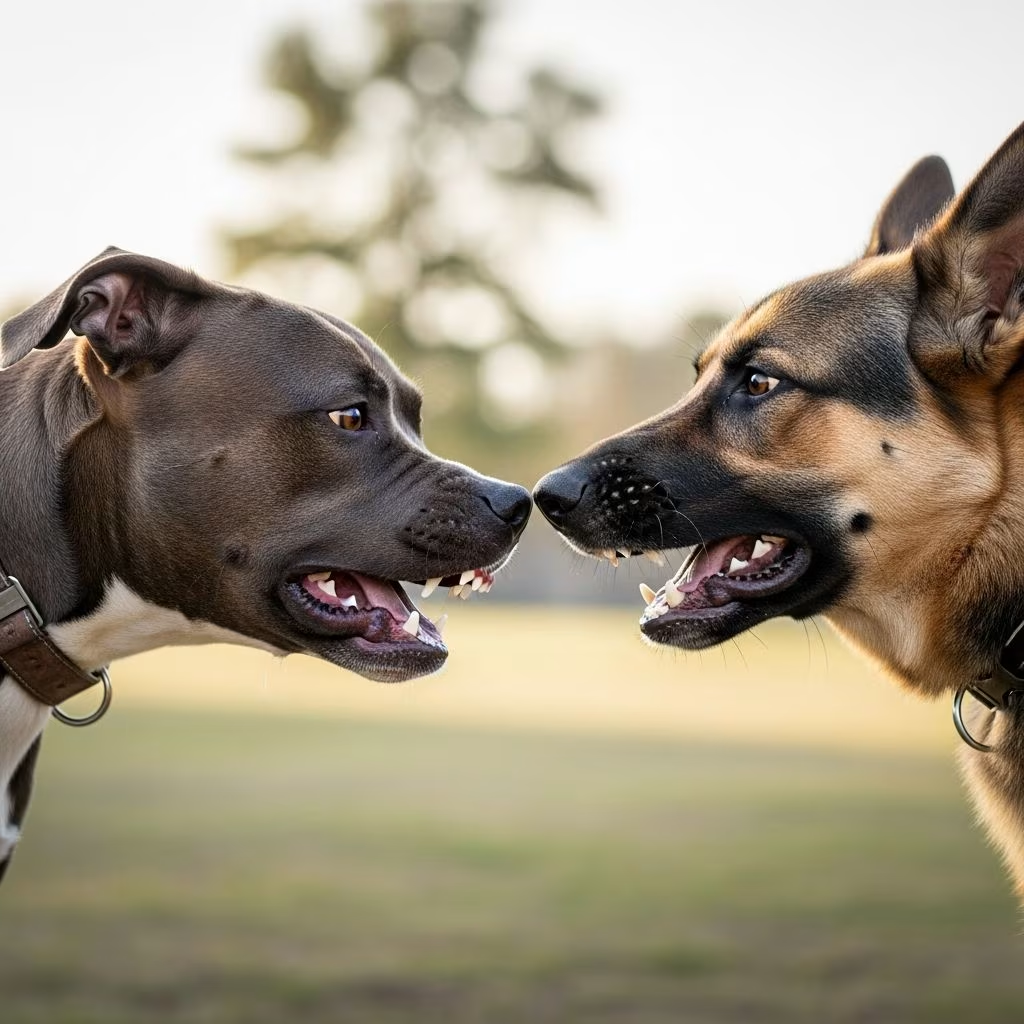
Dog fights often shock owners, but they stem from understandable triggers like fear, pain, or competition. Addressing these requires insight into canine psychology and proactive management.
Core Reasons Dogs Engage in Conflict
Canine aggression rarely arises from malice; instead, it reflects instinctual responses to stress or threats. Key drivers include emotional distress, physical discomfort, and unmet needs.
- Fear-Based Reactions: Many dogs initiate fights due to underlying fear, especially if past encounters were negative. A single traumatic event can condition a defensive posture toward others.
- Pain and Medical Factors: Undiagnosed health issues contribute to 30-80% of behavioral problems, making dogs irritable and quick to lash out.
- Resource Competition: Valued items like food, toys, or even people spark protective aggression.
Environmental and Social Contributors
Beyond internal states, surroundings play a pivotal role. Confined spaces, leashes, or chaotic introductions heighten tension.
| Factor | Impact on Dogs | Example |
|---|---|---|
| Restricted Space | Increases fight likelihood | Tight leashes prevent evasion |
| Noise/Stressors | Amplifies arousal | Construction or new routines |
| Poor Socialization | Misreads signals | Lack of early positive interactions |
Systemic issues like unmet exercise needs build chronic stress, priming dogs for explosions.
Historical Influences on Aggression
A dog’s past shapes its reactions profoundly. Reinforced aggression—where growling ‘works’ to create distance—escalates over time.
- Victories in prior scuffles boost confidence for future ones, creating a cycle.
- Neglect or abuse fosters distrust, leading to preemptive strikes.
- Limited exposure means puppies miss learning polite greetings.
Trauma from teasing or attacks lingers, turning neutral meetings into battlegrounds.
Recognizing Early Warning Signals
Prevention hinges on spotting precursors before escalation. Body language reveals intent.
- Stiff posture, direct stares, or lip curling signal discomfort.
- Growling, snapping without contact, or resource hovering indicate rising tension.
- Hyperarousal from play turning tense shows boundary breaches.
Owners often miss these, intervening only post-bite, which reinforces fear.
Multi-Dog Household Dynamics
In shared homes, ‘sibling rivalry’ emerges from dominance bids, anxiety, or redirected frustration. Up to 50% of such dogs also have separation issues.
Owner habits exacerbate this: inconsistent rules or yelling heighten arousal. Alliance aggression occurs when dogs team against perceived outsiders.
Strategies for Prevention and Management
Break the cycle through structured changes. Start with veterinary checks to rule out pain.
- Meet Basic Needs: Ensure ample exercise, mental stimulation, and rest to reduce baseline stress.
- Controlled Introductions: Use parallel walks on neutral ground, progressing slowly.
- Resource Management: Feed separately; remove high-value items during interactions.
- Desensitization Training: Gradually expose to triggers with positive rewards.
For ongoing issues, consult certified behaviorists. Positive reinforcement trumps punishment, which spikes fear.
Health Checks: The First Step
Medications or illnesses like thyroid imbalances alter thresholds. Pain from arthritis prompts snaps at touch. Routine exams catch these early.
Building Positive Associations
Counter-condition by pairing other dogs with treats, turning rivals into reward signals. Consistency rebuilds trust.
FAQs
Can dogs that fight ever get along?
Yes, with management and training, many do. Success depends on cause severity and commitment.
Should I punish fighting dogs?
No—punishment increases fear and aggression. Focus on prevention and rewards.
How do I introduce a new dog?
Neutral territory, leashed parallels, short supervised meets. Monitor stress.
Is dominance the main cause?
Rarely; fear, anxiety, or guarding are more common.
When to seek professional help?
If bites occur, patterns persist, or safety risks exist.
References
- Why Dogs Fight and How to Identify Your Dog’s Triggers — Wise Mind Canine. 2023. https://wisemindcanine.com/blog/why-dogs-fight/
- Why Dogs Fight – Understanding Conflict and Aggression — YouTube (Behavior Expert). 2023. https://www.youtube.com/watch?v=8gFmQSZheiA
- Dog Aggression – Triggers and Underlying Causes: History — Thriving Canine. 2023. https://www.thrivingcanine.com/blog/triggers-and-underlying-causes-dog-aggression-part-12-history/
- Aggression between Family Dogs — TLC Vet El Paso. 2023. https://www.tlcvetelpaso.com/blog/1010-aggression-between-family-dogs
- How to Prevent Dogs from Fighting with Positive Associations — Dog Gone Problems. 2023. https://www.doggoneproblems.com/arwen-pippen-luthian-stop-dog-fighting/
- The Truth About Aggression and Dominance in Dogs — UC Davis School of Veterinary Medicine. 2016. https://www.vetmed.ucdavis.edu/sites/g/files/dgvnsk491/files/inline-files/The_Truth_About_Aggression__Dominance_dogs.pdf. Note: Authoritative veterinary resource despite age.
- Dog Aggression: Signs, Causes, and How to Manage — Best Friends Animal Society. 2024. https://bestfriends.org/pet-care-resources/dog-aggression-signs-causes-and-how-manage



