

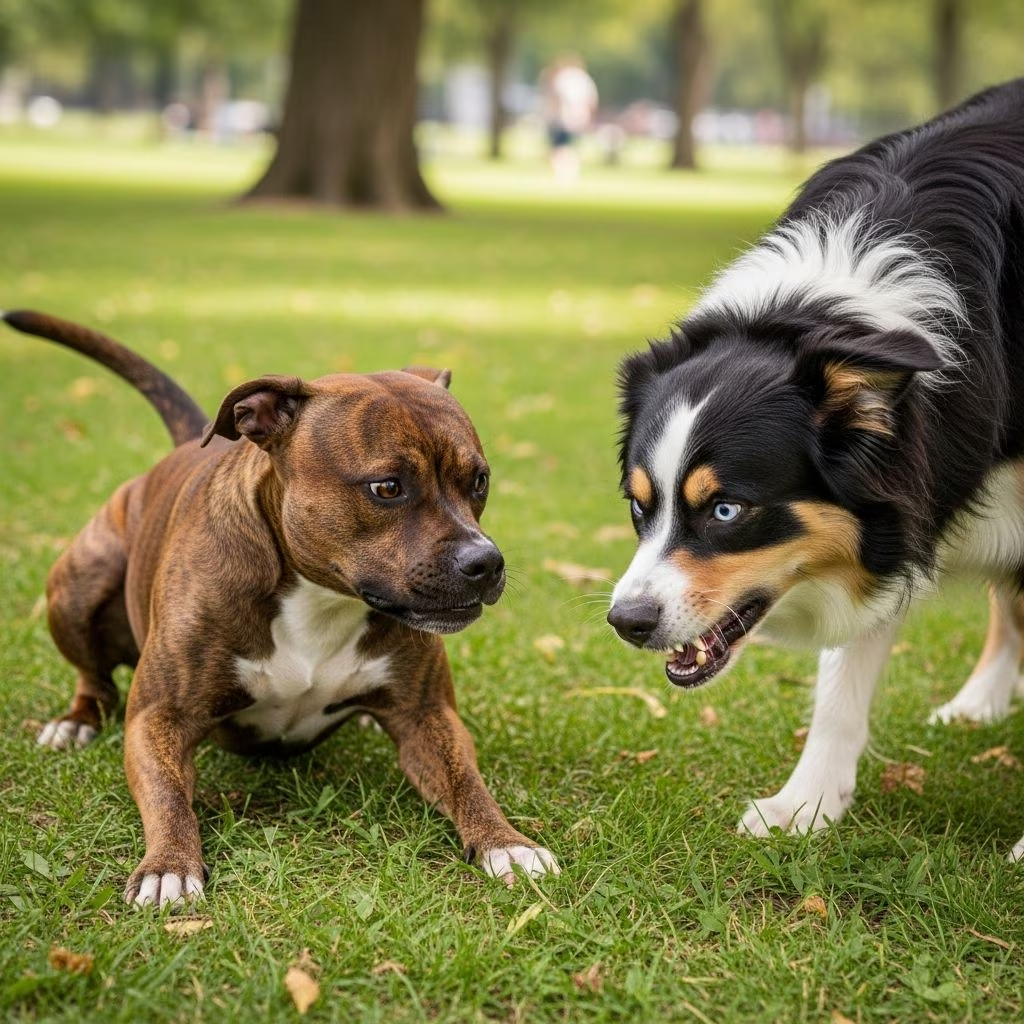
Dog aggression manifests in behaviors like growling, snapping, or biting, often stemming from underlying factors rather than inherent malice. Identifying these triggers is essential for owners to ensure safety and improve their pet’s quality of life.
Primary Drivers of Canine Aggression
Aggression in dogs rarely occurs without provocation. Research highlights fear as the predominant trigger, where dogs resort to defensive actions when feeling threatened. Medical conditions, environmental stressors, and developmental influences also play significant roles.
Fear and Anxiety as Core Triggers
Fearful dogs exhibit heightened aggression, up to five times more likely than confident counterparts to react aggressively toward humans. This stems from a fight-or-flight response; when escape isn’t possible, aggression protects them. Signs include stiff posture, avoidance, or sudden lunging without prior warnings like growling.
Anxiety amplifies this, especially in under-socialized or traumatized dogs. Fireworks, strangers, or leashed encounters can provoke intense reactions as the dog perceives inescapable danger.
Pain and Health-Related Aggression
Undiagnosed pain frequently underlies sudden aggression shifts. Conditions like arthritis, dental issues, hip dysplasia, or infections increase irritability, prompting defensive bites when touched. Older dogs, sensory-impaired from vision or hearing loss, may snap at unexpected approaches.
Hormonal imbalances such as hypothyroidism, neurological disorders like epilepsy, or cognitive dysfunction akin to dementia in seniors also contribute. Veterinary evaluation is crucial to rule out these before behavioral interventions.
Breed, Size, and Genetic Influences
While no breed is inherently aggressive, genetics influence propensity. Small dogs show higher aggression rates toward owners, possibly due to less rigorous training as their bites cause minimal harm. Males, particularly intact ones, display more aggression linked to testosterone, especially in resource or mate competition.
Heritable fearfulness from shy mothers can pass to puppies, compounded by poor early development. However, environment modulates genetics; experienced owners and multi-dog homes reduce risks.
Environmental and Social Factors
Context shapes aggression. Resource guarding over food, toys, or sleeping spots leads to possessive snaps. Leash reactivity arises from feeling trapped, with owner tension exacerbating it.
Boredom in confined dogs builds frustration, releasing as aggression during interactions. Dominance or conflict behaviors emerge from puppies learning pushy tactics yield attention, escalating over time. Punitive tools like shock collars heighten fear and reactivity.
Age-Specific Aggression Patterns
| Age Group | Common Causes | Management Tips |
|---|---|---|
| Puppies (under 18 months) | Play biting, poor socialization, early trauma | Positive reinforcement training, supervised play |
| Adults (18-36 months) | Resource conflicts, status challenges | Consistent boundaries, professional behaviorist |
| Seniors (7+ years) | Pain, cognitive decline, sensory loss | Vet checkups, pain management, routine adjustments |
Young dogs may test boundaries, while seniors face health declines mimicking personality changes.
Recognizing Warning Signs
- Body language: Ears back, tail stiff, lips curled, intense stare.
- Vocal cues: Low growls escalating to barks or snaps.
- Contextual patterns: Aggression tied to specific stimuli like strangers, leashes, or mealtimes.
- Sudden changes: Increased vocalization, appetite shifts, or withdrawal signaling pain.
Early detection prevents escalation; reactive dogs fixate intensely, lunging without control due to training gaps.
Prevention and Management Strategies
Proactive steps mitigate risks. Socialize puppies extensively, use reward-based training to build confidence. Avoid confrontational methods that foster fear.
For ongoing issues:
- Consult veterinarians first for medical clearance.
- Engage certified behaviorists for tailored plans.
- Implement management: Muzzle training, controlled environments.
- Enrich lives with exercise, puzzles to combat boredom.
Neutering males may lower thresholds, though not a cure-all.
Professional Interventions
Severe cases require experts. Behaviorists assess via history and observation, prescribing counter-conditioning to rewire responses. Medication aids anxiety-driven aggression alongside therapy. Never force compliance; it risks bites in conflict-prone dogs.
FAQs
Is dog aggression breed-specific?
No, though genetics play a role; environment and training are key.
Can pain cause sudden aggression in my dog?
Yes, conditions like arthritis prompt defensive reactions; vet exams are essential.
How does fear lead to biting without warning?
Trapped fearful dogs skip signals, escalating directly to bites for self-protection.
Will neutering stop aggression?
It may reduce some male-driven behaviors but addresses symptoms, not roots.
When should I see a professional?
At first serious incident or pattern; prioritize safety.
Building a Harmonious Canine Bond
Addressing aggression transforms relationships. Owners empower dogs through understanding, turning potential conflicts into trust. Consistent, compassionate approaches yield calmer pets and safer homes.
References
- What Makes Dogs Act Aggressive? New Research Offers More Info — American Kennel Club. 2023-10-12. https://www.akc.org/expert-advice/training/study-uncovers-factors-behind-dog-aggression/
- Dog Behavior Problems – Aggression Diagnosis and Overview — VCA Animal Hospitals. 2024-01-15. https://vcahospitals.com/know-your-pet/dog-behavior-problems-aggression-diagnosis-and-overview
- 8 Reasons Your Dog Is Suddenly Aggressive (and How to Stop It) — GoodRx. 2024-05-20. https://www.goodrx.com/pet-health/dog/why-is-my-dog-always-aggressive
- 6 Causes of Aggression in Dogs — VEG ER for Pets. 2023-11-08. https://www.veg.com/post/aggression-in-dogs
- Aggression in Dogs — PetMD. 2024-02-14. https://www.petmd.com/dog/behavior/aggression-in-dogs
- Canine Aggression — AKC Canine Health Foundation. 2023-07-22. https://www.akcchf.org/disease-history/canine-aggression/
- Aggression — ASPCA. 2024-03-10. https://www.aspca.org/pet-care/dog-care/common-dog-behavior-issues/aggression



