

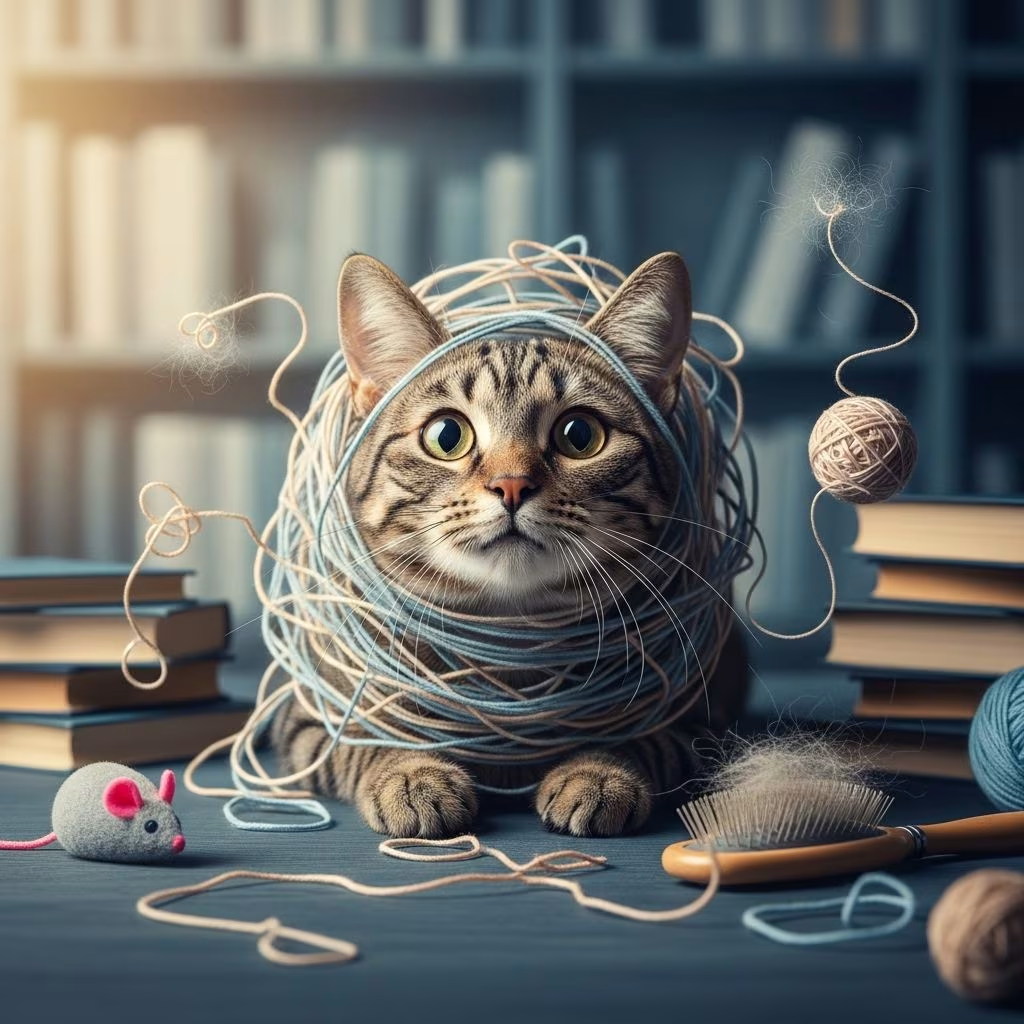
Cats captivate millions as beloved pets, yet persistent myths often mislead owners about their needs, behaviors, and health. These misconceptions can lead to improper care, health issues, or strained bonds. This article separates fact from fiction using reliable veterinary insights, helping you nurture a thriving cat.
Understanding Feline Physiology and Common Misbeliefs
Cats possess unique traits shaped by evolution as skilled hunters. Many owners assume simplicity in care due to their independent nature, but this overlooks essential requirements for physical and emotional health.
The Low-Maintenance Cat Illusion
A widespread notion portrays cats as effortless companions needing minimal attention compared to dogs. In reality, felines demand regular veterinary check-ups, vaccinations, parasite prevention, and dental monitoring to prevent diseases. Indoor cats face risks like obesity and urinary issues, necessitating annual wellness exams just as much as outdoor ones.
- Schedule routine vet visits to catch issues early.
- Monitor weight through balanced feeding and activity.
- Address dental health with brushing and professional cleanings.
Self-Cleaning Equals No Grooming Needed
While cats meticulously groom themselves, this does not eliminate the need for owner assistance. Brushing reduces shedding, prevents matting, and detects skin problems or parasites early. Occasional baths may be required for sticky messes or medical conditions, using cat-specific products to avoid stress and skin irritation.
Debunking Dietary and Hydration Fallacies
Feeding myths contribute significantly to feline health problems, from digestive upset to chronic conditions.
Milk as a Cat Superfood
Iconic images of cats lapping milk perpetuate the idea it’s beneficial. Most adult cats lack lactase enzyme, becoming lactose intolerant post-weaning, leading to diarrhea and stomach upset. Kittens tolerate mother’s milk or vet-formulated substitutes, but cow’s milk harms adults. Prioritize fresh water and nutritionally complete commercial diets.
| Myth | Fact | Recommendation |
|---|---|---|
| Cow’s milk is healthy for cats | Lactose intolerance causes GI issues | Offer water; use cat-safe treats |
| Milk provides essential nutrients | Balanced kibble/wet food suffices | Consult vet for dietary needs |
Litter Box Hazards Overstated
Concerns about urine, feces, and hair dominate health discussions. Cat hair carries dander allergens, manageable via grooming and cleaning. Urine ammonia builds up without daily scooping, but proper maintenance keeps environments safe. Toxoplasmosis from feces risks pregnant women or immunocompromised individuals, mitigated by hygiene and non-pregnant handlers cleaning boxes.
Behavioral Myths That Shape Owner Expectations
Misinterpreting cat signals leads to frustration or neglect.
Purring Signals Pure Happiness
Purring often indicates contentment, but cats also purr to self-soothe during pain, stress, or fear. Observe context: paired with tail flicking or hiding suggests discomfort, warranting veterinary evaluation.
Independence Means Solitude Preference
Cats enjoy alone time but crave interaction, play, and stimulation. Prolonged isolation fosters anxiety, boredom, and destructive habits. Provide toys, perches, and daily engagement to mimic natural hunting instincts.
Not All Cats Detest Water
While many avoid baths, breeds like Turkish Vans relish swimming. Early exposure can foster tolerance, aiding grooming when needed.
Safety and Survival Superstitions
Folklore influences perceptions of cat resilience.
The Nine Lives Legend
This adage implies extraordinary durability, but cats are vulnerable. Secure homes prevent falls, fights, and toxins; no pet has infinite chances.
Always Landing on Feet
Cats’ righting reflex allows mid-air twists, yet high falls cause injuries like broken jaws or lungs. Keep windows screened and balconies gated.
Butter on Paws for Navigation
Post-move folklore suggests buttering paws to familiarize cats with new homes. This distracts without aiding scent mapping and causes stress or messes.
Health Risks and Preventive Strategies
Addressing myths promotes proactive care.
Toxoplasmosis and Pregnancy Concerns
The parasite Toxoplasma gondii in feces can infect via accidental ingestion, posing fetal risks. Prevention: daily box cleaning, gloves, handwashing, and avoiding raw meat. Risk remains low with hygiene.
Declawing as Harmless Nail Trim
Declawing amputates toe bones, causing chronic pain, arthritis, and behavioral changes. Opt for scratching posts, trims, and soft caps.
Indoor Cats Skip Exercise
Sedentary lifestyles breed obesity; cats need daily play for physical and mental health. Toys, lasers, and puzzle feeders burn energy and curb boredom eating.
Exercise and Wellness Routine
Incorporate these habits:
- 15-20 minutes daily interactive play.
- Vertical spaces like shelves for climbing.
- Weight monitoring; adjust calories accordingly.
- Parasite preventives year-round.
Building a Cat-Friendly Home Environment
Optimal setups enhance welfare.
- Litter Setup: One box per cat plus one, in quiet spots; scoop daily.
- Enrichment: Scratching surfaces, window perches, automated toys.
- Nutrition: Age-appropriate food; portion control.
- Health Checks: Monitor appetite, litter habits, coat quality.
Frequently Asked Questions (FAQs)
Can pregnant women safely own cats?
Yes, with precautions like delegating litter duties and thorough hygiene to avoid toxoplasmosis.
Why does my cat purr while seeming upset?
Purring self-regulates stress or pain alongside contentment.
Is milk ever okay for cats?
Only lactose-free cat milk in moderation; water is best.
How much exercise does an indoor cat need?
At least 30 minutes daily via play to combat obesity.
Does declawing prevent furniture damage?
No; it risks health issues. Use alternatives like posts.
Key Takeaways for Cat Owners
Dispelling myths empowers informed decisions. Regular vet care, balanced diets without milk, daily interaction, and hygiene ensure long, happy lives. Cats reward attentive owners with affection and companionship beyond stereotypes.
References
- Cats and Your Health: Dispelling Myths and Embracing Benefits — 9to5pets.com. 2025-02-01. https://9to5pets.com/2025/02/01/cats-and-your-health-dispelling-myths-and-embracing-benefits/
- Pet Care Myths Debunked: Separating Fact from Fiction for Better Pet Health — Broadway Oaks Animal Hospital. N/A. https://www.broadwayoaksanimalhospital.com/blog/pet-care-myths-debunked-separating-fact-from-fiction-for-better-pet-health/
- 10 Popular Cat Myths Completely Debunked by a Vet — Cats.com. N/A. https://cats.com/cat-myths
- Debunking Common Cat Myths: What Every Cat Parent Should Know — Farmina. N/A. https://www.farmina.com/in/pet-care/geniustips/2152/debunking-common-cat-myths:-what-every-cat-parent-should-know.html
- 12 Common Cat Myths Debunked — Blue Cross. 2024-05-17. https://www.bluecross.org.uk/advice/cat/wellbeing-and-care/12-common-cat-myths-debunked
- 7 Common Cat Myths Disproved — PetMD. 2014-10. https://www.petmd.com/blogs/thedailyvet/lorieahuston/2014/october/debunking-common-cat-myths-32088



